
I sat in the dark as Nick Cave’s opening riff dropped and the crowd around me exhaled like it was a sermon. You could feel the room split between whooping fans and skeptical strangers. By the second act I realized we were watching two separate movies under the same tweed coat.
I’ve followed Peaky Blinders from the first shabby episode to its glossy finale, and I’ll tell you straight: this film is written for the faithful, and that choice shapes everything you’ll love or loathe about it. I’ll walk you through what critics are saying, where the movie succeeds, where it falters, and why that matters if you care about the franchise or just a good night at the cinema.
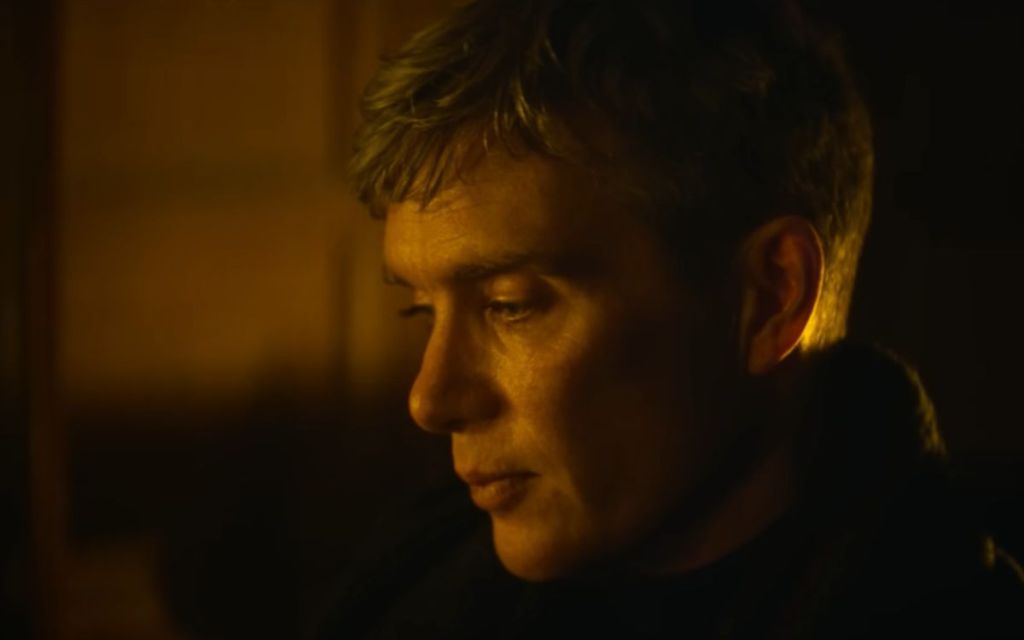
At the midnight screening the applause came before any plot had landed — Peaky Blinders: The Immortal Man Shines at Being a Fan Service
The most consistent thing critics agree on is simple: this film is engineered for fans. Variety calls it “dutiful fan service,” and Empire warns the pleasure it delivers can also be its trap. I’ll be blunt: if you’ve lived with these characters for years, the movie will hit you in the chest. If you haven’t, many emotional beats will register as echoes, not revelations.
“As such, it’s dutiful fan service, sure to satisfy legions of cultists cosplaying in tweed… the film works its way toward a finale of more stoic pathos than might be expected from such a canny franchise extension.” — Variety
What that means practically is that the film rewards memory. Small callbacks — Nick Cave’s “Red Right Hand” returning in a muted, almost reverent way — function like private jokes between creator Steven Knight and long-term viewers. The movie is a satin-lined time capsule: it preserves comfort and familiarity for its audience.
Do you need to have seen the series to enjoy the movie?
No, you can follow the plot on a surface level, but you’ll miss a lot of emotional payoff. Critics from Deadline and Empire both note that newcomers won’t feel the full weight of history between characters. If you want to get the most out of the film, treating it as an extended episode—rather than a stand-alone feature—will set expectations correctly.
The cinema lobby smelled of popcorn and argument — Peaky Blinders: The Immortal Man Is Rather Shaky on the Cinematic Front
Several reviews level the same complaint: the movie rarely feels like it was made for the big screen. Despite its wartime backdrop and a plot that brushes up against international stakes, the action lives in familiar sets — the Garrison, the docks, the smoky backrooms. That repetition matters more in a film than on TV.
“The Immortal Man never takes its eye off the Peaky faithful… it can’t help but just feel like an extra-long episode rather than a standalone cinematic experience.” — Empire
Put simply: this is not a reinvention. Barry Keoghan’s Duke adds a new generation, and the production ramps up the blast and rubble, but the camera rarely opens its field of vision. For me, the movie reads as a polished chapter rather than a bold expansion — a well-polished stage play pushed onto a cinema screen.
Is Peaky Blinders: The Immortal Man worth watching?
If you love Thomas Shelby (Cillian Murphy) and the world Steven Knight built, yes — especially for the fan beats and the chance to see Barry Keoghan and others under the same roof again. If you expected a radical cinematic reinvention or a story that stands easy beside its TV run, critics suggest tempering expectations. Rotten Tomatoes and Metacritic will give you aggregate sentiment; Variety, Empire, and Deadline give the nuance.
From an industry angle, this release is a smart play for Netflix: a theatrical bow before streaming grows viewership and merchandise that follows. It’s also a reminder that moving from series to film is as much a commercial choice as an artistic one; franchises like this often behave like serialized novels dressed in velvet and marketed to loyal readers.
Call it serviceable, maybe indulgent, but profitable — and for Netflix and the producers that’s a predictable result. The film opens doors for spinoffs and new arcs, which is likely the real agenda behind bringing Tommy Shelby back into theaters.
So you decide: do you want a comforting return to a familiar world, or were you hoping for something that would reinvent the franchise and the screen it occupies?