
I remember the hush when the island animals first circled the robot — you leaned forward without realizing it. The sequel announcement cut through that quiet and now the next act looms like a signal fire. I want to walk you through what matters next and why you should care.
I watch industry moves so you don’t have to sort through press releases and tweets. I’ll point out the rumors worth noting, the confirmations from DreamWorks, and what the creative handoff might mean for tone, audience, and awards season.
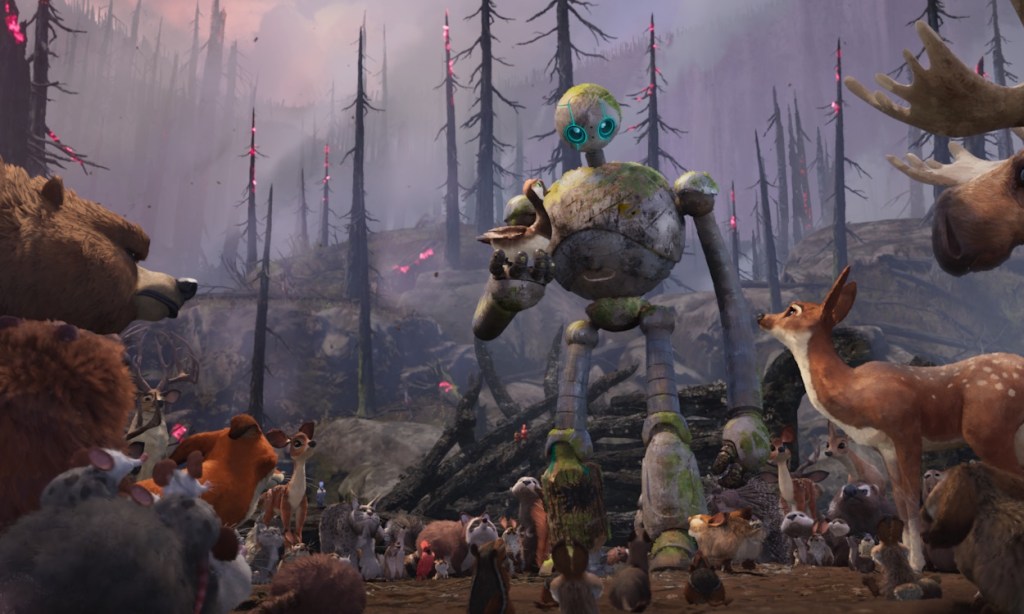
At awards season the first film kept popping up; everything we know about the sequel
You already have a short list of facts: DreamWorks is greenlighting a follow-up titled The Wild Robot Escapes, based on Peter Brown’s second book, and production has begun in early stages. Jeff Hermann, who produced the original, returns, which tells you DreamWorks is keeping the core production muscle in place. For context: the original won Best Animated Feature at the Critics’ Choice Awards and collected multiple honors from the Visual Effects Society and the Producer’s Guild — it’s a magnet for prestige attention.
When will The Wild Robot Escapes be released?
Short answer: DreamWorks has not announced a release date. Production is in early phases, so the safest expectation is a multi-year timeline. I watch studio slates and trade reports (Variety, The Hollywood Reporter) for the first clear date — you’ll see a window before a specific day.
Who is directing The Wild Robot Escapes?
DreamWorks tapped Troy Quane as director with Heidi Jo Gilbert as co-director. Quane’s name rose after his work on the Oscar-nominated Nimona, and he brings a distinct tonal risk that differs from Chris Sanders, who directed the original. That change hints at a sequel that will steer into fresh emotional or visual territory rather than repeat the first film’s beats.
On the ground at studios: why DreamWorks is making this follow-up
At talent meetings and investor calls the numbers spoke clearly: audiences stayed and critics amplified the first movie. The original’s award haul and roughly 100 industry recognitions created a commercial and cultural tailwind. For DreamWorks, sequels are not just revenue plays — they’re brand signals that sustain franchises in animation marketplaces like streaming deals and merchandising partnerships.
Inside the creative room: what the director change might mean
In production notes you can see a tonal pivot; Quane’s Nimona pedigree suggests sharper emotional contrasts. Expect character beats that cut faster and visuals that lean on mood over slapstick. Heidi Jo Gilbert’s co-directing role signals collaborative shaping — she’s known for steadying narratives and maintaining audience accessibility.
Troy Quane’s approach could act like a compass for the sequel, guiding it between intimate scenes with animals and set-piece sequences that demand VFX — remember the Visual Effects Society recognition the first film received.
Practical flags for fans and industry watchers
At social channels and trade feeds, confirmations matter more than leaks. Follow DreamWorks on X (@DreamWorks) and check statements from producer Jeff Hermann for production updates. If you track awards prospects, keep an eye on festival submissions and guild screenings; those are early hints of a film’s awards trajectory.
I’ll keep tracking casting updates, festival signals, and any distributor moves that affect streaming windows. Will the sequel match or surpass the original’s sweep of critics and guilds — and will you defend its choices or call for course correction?