
I scrolled past a screengrab on X and felt that familiar flip: a popular game with strong launch numbers being written off in a single sentence. Minutes later I joined the server slam, watching 130,000 players race through the same lobby that critics had already labelled a disaster. That moment — eyes on the stats, ears on the chatter — told me everything I needed to know about how fast a narrative can harden.
I’m going to walk you through what the raw data says, why the negativity spreads, and how you should read those hot takes. You don’t need to take any headline at face value; I’ll point to the signals that matter.
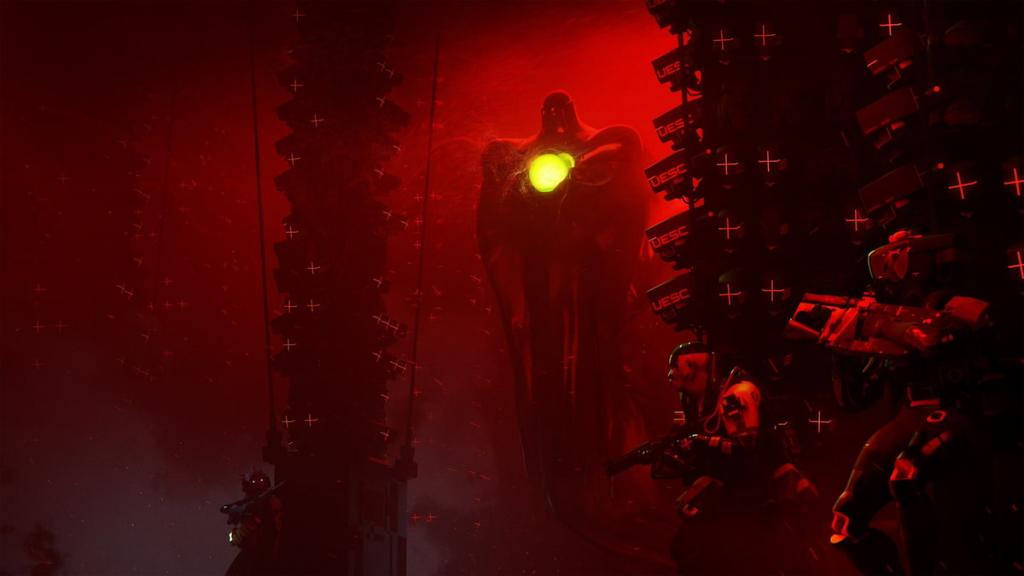
Launch-floor observation: servers were full, cameras were rolling
The server slam hit a peak of roughly 130,000 concurrent players; on release day Steam showed north of 86,000 players while the game carried a $40 (≈€37) price tag. That’s a launch profile many publishers would sign for.
Here’s the practical read: those Steam numbers are a lower-bound. With consoles included, I’d estimate total concurrent reach is materially higher. If you translate those players into likely revenue, Marathon’s Steam window alone probably cleared about $3.5 million (≈€3.3 million) within launch week. That’s not the trajectory of a dead product.
How many players did Marathon have at launch?
Steam reported roughly 86,000 on release and over 130,000 during the server stress test. Tools like SteamDB and Steamcharts give similar signals, and console concurrent metrics — which Bungie doesn’t publish in full — typically add a significant chunk to the total.
Feed-rumor observation: I saw a tweet calling Marathon “dead on arrival”
One user stacked Marathon against Bungie’s Destiny and an indie roguelike, then declared it a “complete flop.” That short post spread like wildfire across feeds and headlines.
Here’s where psychology matters: social platforms reward certainty and brevity. A single confident claim — especially one that compares apples to oranges — gains traction faster than a careful, context-rich take. Dexerto and a handful of outlets amplified the comparison to Slay the Spire 2, ignoring price (about half Marathon’s cost) and genre differences. When you see that pattern, treat the claim as a narrative, not a verdict.
Is Marathon a flop?
Not by the available metrics. Metrics you can verify — concurrent players, early revenue estimates, and an improving Steam review score (about 81% positive at launch) — point to a healthy opening, not a collapse. The loudest voices often haven’t spent meaningful time in the game.
Playtest observation: I talked with people who’d actually played the early builds
Some playtests had mixed feedback, and the project did swap directors during development — red flags in any postmortem checklist. That history baked anxiety into community expectations.
Yet the end product landed with praise for its art direction and core systems from those who logged hours. Review percentages improved during launch day, not the opposite. Contrast that with Highguard, which struggled at 45% positive and faced region-heavy backlash despite being free. Money changes incentives; a $40 purchase (≈€37) filters out casual reviewers and creates a different post-buy feedback loop.
Industry observation: outlets and creators chase clicks by declaring winners and losers
Comparisons to Destiny or to hit indies are shorthand for a simpler story: success vs failure. That simplification gets clicks, but it chews up nuance.
I’ve covered launches where the loudest critics had the weakest data. You should weigh three things: player numbers (Steam/SteamDB), review velocity (Steam scores over time), and platform spread (PC plus Xbox/PlayStation figures). If you do that, you’ll see Marathon’s opening sits on the positive side of the ledger.
Why are people comparing Marathon to Slay the Spire 2?
Because comparisons are easy. They’re also misleading. Different price points, genres, and audience expectations make direct head-to-heads poor evidence for “flop” claims. Watch the unit economics and long-tail engagement instead.
I don’t dismiss legitimate critique — I’ll call it out when the numbers and play experience line up with the complaints. But the reflex to brand a launch a failure before the title has had a chance to breathe is corrosive. Narratives harden like dried paint: once set, they resist correction.
You should expect the conversation to evolve. Bungie’s name, and its history with Destiny, gives both critics and fans a louder megaphone. Platforms like X, Discord, and outlets such as Dexerto will keep pushing hot takes because controversy feeds engagement — and you have to be skeptical of stories that prioritize shock over context.
I want Marathon to thrive. Its art direction and the size of its opening audience give it runway to grow, patch, and land long-term. Treat the worst-take headlines as the noise they are, and watch for the signal: player retention, post-launch content cadence, and cross-platform play figures.
So tell me — when does a launch become a “flop” in your book, and who gets to decide that on day one?