
I booted up Marathon on day one, clicked the Rewards Pass, and felt the room go quiet. Other players were already posting screenshots and complaints on Reddit—angry, bemused, and strangely resigned. The launch numbers glittered on Steam; the pass did not.
Steam and player counts paint a simple scene
The Steam page showed thousands of positive reviews while Discord and Reddit filled with skepticism. I watched the counters: over 5,700 Steam reviews and a Very Positive tag, a peak of roughly 88,000 concurrent players, then a fall to about 55,000 at publishing time. That contrast matters—heat at launch doesn’t always mean sustained hunger.
You can see two stories at once: a tight, enthusiastic core and a wider group that didn’t stick. That split is what makes monetization choices feel amplified, not subtle.
A quick look at what’s actually on offer
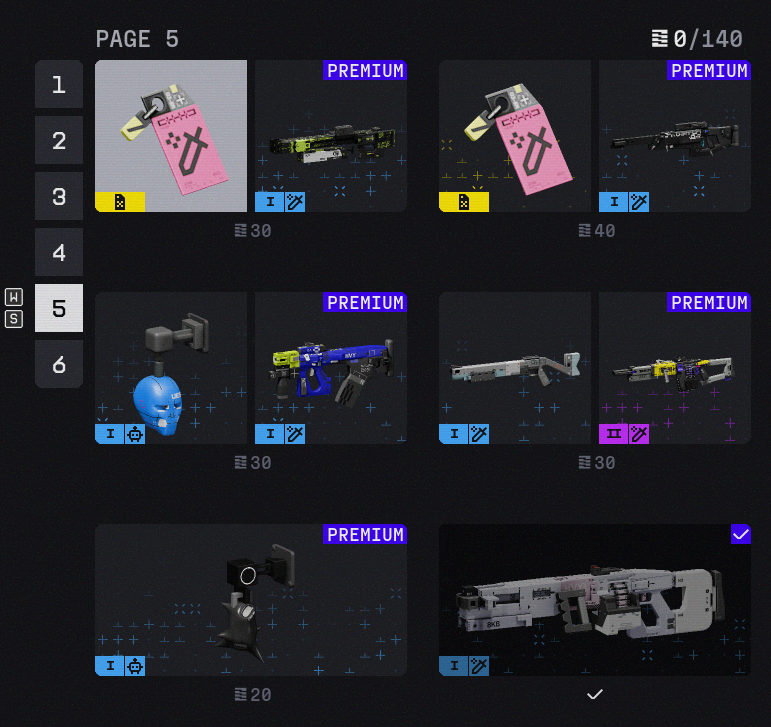
I opened the Rewards Pass and counted the items so you don’t have to. The $10 pass (€9) mostly hands out cosmetic bits: profile backgrounds, weapon stickers, weapon charms, a handful of weapon skins, and six “Schema” vouchers that force a weapon into the Armory shop.

There’s one playable character skin in the entire pass. No premium currency, no reliable route to buy next season’s pass through in-game savings—features players now expect after seeing systems in Call of Duty, Apex Legends, and Overwatch.
Is Marathon’s Rewards Pass worth buying?
If you’re asking me, the value reads thin. For $10 (€9) you get mostly small vanity items. The in-game shop sells character skins and bundles for about $15 (€14) (marked down from $20+ / €18+), so there is money to be spent—but the pass itself doesn’t feel like a bargain.
Community reaction: bargaining with wallets and optics
A Reddit thread became an instant thermometer for player sentiment. Users posted blunt lines: “Please keep your greed limited, especially after we all paid a good amount of money for your game,” and “This is not a F2P title, so you should offer a pass which is at least better and not worse.”
I heard the same refrain from players across channels: if the pass offers no premium currency and only a single character skin, many will skip it. That’s the kind of message that’s hard for a studio to ignore when sales tell the story louder than comments.
Can you earn premium currency from the pass?
No. The pass contains zero premium currency, which removes a common incentive: saving season-to-season to buy the next pass. That omission contrasts with Destiny 2—Bungie’s other flagship—where seasonal systems generally feel more generous.
Design choices that feel tone-deaf to paying players
The Rewards Pass behaves like a collector’s catalogue with few headline items. I found six Schema vouchers—useful in theory—and a pile of stickers and charms. That mix reads as filler when players compare it to the passes in ARC Raiders and Helldivers 2, which many praised at launch.
One Redditor summed it up bluntly: “Voting with your wallet is the only feedback they’ll actually hear.” You can feel the sting of that line—players aren’t just buying cosmetics, they’re betting future seasons will be better.
What this means for Bungie and for you
Bungie can change the shape of a season with a few edits: add premium currency bytes, move a second character skin into the reward track, or rebalance the rarities. I’d tell them the first pass is a test that failed on perceived value, not on production quality.
For you, the decision is simple. If you crave the cosmetics and want to support the studio, buy. If you feel shortchanged and want to send a message, skip the pass and spend selectively in the shop. The in-game store will likely still sell skins for about $15 (€14), so your dollar can be more targeted.
Final read: small cost, big perception risk
The Rewards Pass is priced low ($10 / €9), but value is psychological as much as numerical. One poor-looking season can erode trust faster than a flashy launch builds it—like a thrift-store jacket that looks nice until you check the pockets. For many players, this pass feels as brittle as wet tissue when tested against expectations from Destiny 2, Call of Duty, and other modern live-service titles.
I’ll keep watching Bungie’s moves: patches, store tweaks, and next-season promises. You’ll want to watch too—every purchase now is a small vote in a much larger game economy. Will Bungie listen, or will players keep paying and quietly losing faith?