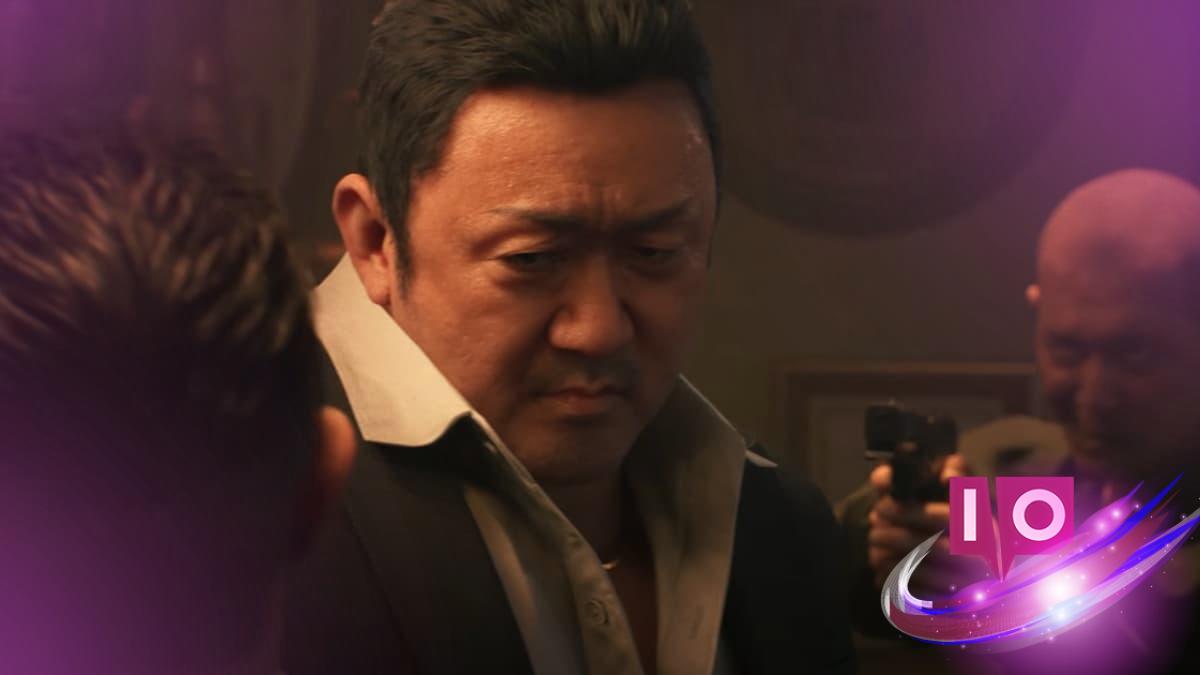
It was a Wednesday when the newsroom lit up: a studio founded by a household name in games had its future yanked away. I remember watching the trailer for Gang of Dragon and feeling the promise; now the promise is fraying in public. You can feel the meeting-room silence before the announcement lands.
I’ve followed studio collapses for years, and I want you to see what’s happening here with clear eyes. This isn’t just a missed release date; it’s a business decision that could close a studio and erase months — sometimes years — of creative work. If you care about where ambitious single-player games go next, this matters.
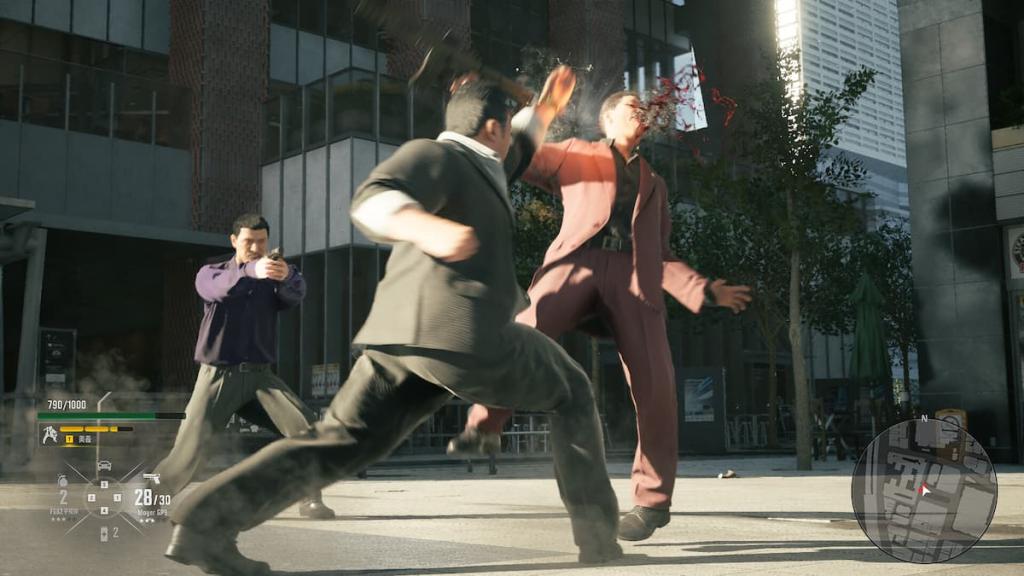
Staff were told funding would stop this spring — what actually changed at NetEase?
NetEase informed Nagoshi Studio on March 6 that it will cut support for Gang of Dragon as of May, Bloomberg reports. I’ve spoken to developers in similar positions; those messages are rarely soft. You get a deadline, a spreadsheet, and then the options narrow fast.
Toshihiro Nagoshi, the creator behind Yakuza, teamed with Korean actor Don Lee and pitched what looked like a cinematic, brutal follow-up to that legacy. The studio asked NetEase for an extra $44.4 million (€41 million) to finish the game. NetEase said no.
Why did NetEase cut funding for Gang of Dragon?
NetEase is pruning costs under CEO William Ding. The company has closed or scaled back internal and partner studios in recent months — Ouka Studio (the team behind Visions of Mana) was shuttered in December 2024, and the US team behind Marvel Rivals, led by Thaddeus Sasser, was dissolved earlier this year. Those moves signal a corporate appetite for tighter margins, not risk-taking.
From where I sit, this is a numbers call: another $44.4 million (€41 million) would be visible on earnings, and NetEase appears unwilling to show that hit. If you run a large publisher, you measure risk in balance-sheet terms. Creative loss is secondary in that ledger.
A producer tightened their belt — what are the immediate consequences for the studio?
The immediate reality: Nagoshi Studio has to scramble for new funding or buy back its own work. NetEase told staff the studio can continue independently — if it can “pay its way out” by acquiring the IP and all assets developed so far.
Will Gang of Dragon be released?
Short answer: it’s unlikely unless a new backer appears. Nagoshi has been seeking outside funding but hasn’t found a suitor. Even if he does, buying the IP means lining up tens of millions of dollars quickly — a steep hill for a studio mid-development.
Even if a secondary deal materializes, NetEase could choose to finish and publish the game itself if other offers fall through. From experience, projects in this limbo often become dormant or are released in compromised states. You can feel that risk like a stage suddenly darkened: teams lose momentum and morale when the money stops.
Players are watching on storefronts and social feeds — what does this mean for the wider industry?
AAA budgets are under scrutiny. Since early 2024, tens of thousands of roles have vanished from the industry, concentrated at big-budget studios that spend heavily on single projects.
Meanwhile, small teams continue to score wins — for example, Slay the Spire 2 crossed 526,000 concurrent players while built by a compact group. That split feels like a fault line in how games are financed and valued. One company’s write-off can be another team’s breakout opportunity.
Can Nagoshi Studio buy the IP and finish the game?
Technically yes; commercially unlikely. NetEase’s condition — you can go independent if you buy everything — requires capital or a third-party investor willing to accept development risk. Nagoshi has the pedigree and the creative credibility, but money likes security. For most investors, a studio that’s just lost its publisher doesn’t look secure.
I’ve seen this story play out before: talented teams facing a wall of finance rather than a lack of ideas. If the community rallies, if a well-heeled publisher or a private equity group sees cultural value in the IP, there’s a path forward. If not, the studio may fold.
Executives tightened spreadsheets — how do we keep the work from vanishing?
There are practical routes: crowd investments, brand partnerships, or a smaller release scope that preserves the core experience. Tools and platforms like Steam, Epic, and cloud publishing services lower distribution friction, but they don’t solve the up-front cash problem.
NetEase’s moves are a reminder that corporate priorities can erase creative labor overnight. The company’s strategy under William Ding is plainly to prune and protect earnings — a business choice that leaves creators asking for mercy from balance sheets.
I’ve been in rooms where studios folded overnight; the emotional toll is immediate and brutal. You want systems that protect IP and people; the market as it stands often protects neither. Do you think the industry should force new rules for publisher-studio handoffs to stop talented teams from disappearing?