
I stood in a noisy bar where two friends argued about consoles and felt something shift: one defended PlayStation like it was family heirloom, the other shrugged and said, “It’s just PC games now.” I remember the feeling — a small jolt, the moment a habit starts to feel obsolete. You can sense the same wobble in the leaks about Project Helix.
I want to walk you through why a rumor feels less like gossip and more like a strategic pivot from Microsoft — and what that could mean for the console market.
At a demo table I booted a Rog Ally X and it behaved like a console despite running Windows
That moment — a handheld with a full Windows session doing a console job — is the shorthand for the Project Helix leaks. The prominent leaker SnakerSO claims Helix won’t be a traditional Xbox with its own build target. Instead, according to the posts on NeoGAF, it will run Windows and emulate the console experience.
Think of it like a PC wearing a console’s coat: same games, different plumbing. SnakerSO describes Helix as a machine using Windows Full Screen Experience (FSE), the same UX flavor seen on the Rog Ally X, rather than a new Xbox SKU developers target with a native build.
What is Project Helix?
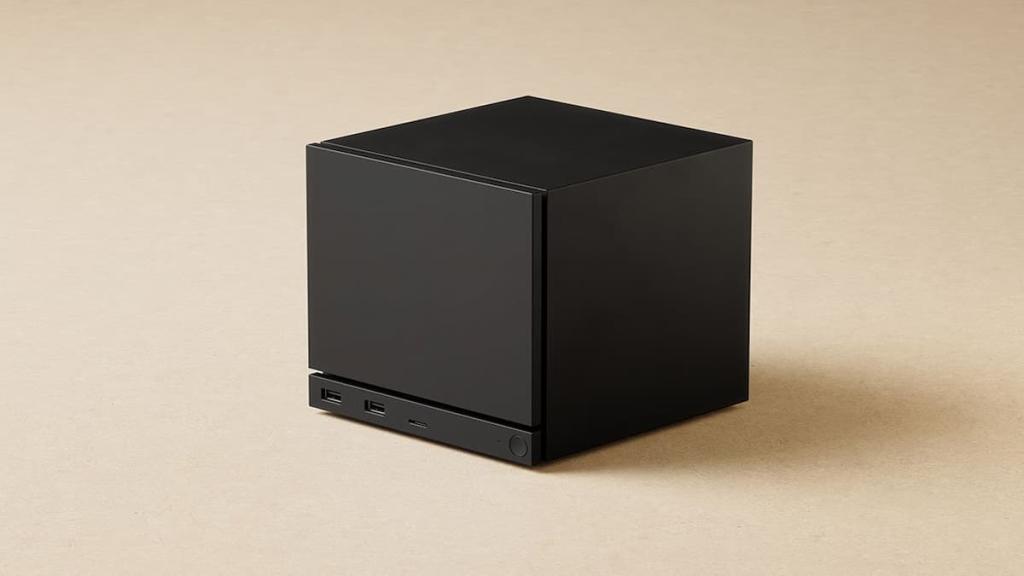
Project Helix, per the leak, is a Microsoft-engineered set-top box variant of the Rog Ally X that runs Windows and ships titles as standard Universal Windows Platform (UWP) or Windows Store apps instead of a bespoke Xbox platform. The allegation: no Helix-specific build target, just Windows builds.
At a small indie meetup several devs shrugged when I mentioned a new Xbox build target
That reaction matters: developers prefer clear targets. SnakerSO’s claim that the “native Xbox SKU” is gone warms the industry to an expectation — games are shipped for Windows Store rather than an Xbox Helix SKU.
If true, this quietly flips the developer equation. Phil Spencer’s Xbox has been chasing multiplatform and subscription-first strategies for years: day-one launches on Game Pass, simultaneous PC and console releases, and even releases on Steam in some cases. The commercial fallout is visible — some AAA Xbox releases have underwhelmed on Steam, with The Outer Worlds 2 reportedly seeing about 18,000 players on launch day on Valve’s platform.
How does Project Helix compare to Valve’s Steam Machine?
SnakerSO explicitly frames Helix as a “set-top box version of the Rog Ally X, only it’s been engineered by Microsoft.” That puts it squarely in the same neighborhood as Valve’s upgraded Steam Machine ambitions and the Steam Deck lineage. Steam Machine prototypes are rumored to cost up to $900 (about €830) and Valve could subsidize hardware to sell its ecosystem and games — a playbook Microsoft might study or mirror.
I checked price chatter and the numbers already sound niche and premium
Leakers and analysts suggest Helix will be expensive and targeted at a small audience. If Microsoft prices Helix like the Steam Machine rumors imply, this won’t be a mass-market Xbox Series S successor; it will sit at the high end and appeal to enthusiasts willing to pay for a PC-console hybrid.
There’s another wrinkle: SnakerSO believes this is intentional. According to the leak, Microsoft could be using Helix as cover to step out of hardware manufacturing entirely — a graceful exit disguised as product experimentation. That would be a strategic pivot, less about competing head-on with Sony and more about owning software and services.
This feels less like a product release and more like a Trojan horse for a hardware pivot: the device exists, but the mission is to shift attention toward Xbox-branded services and Windows storefront distribution.
At the office I pulled up the PlayStation roadmap and the contrast is stark
Sony appears likely to continue with traditional, proprietary consoles (what many expect to be a PlayStation 6 successor to the PS5). If Microsoft cedes the classic console war by making Helix a niche, pricey Windows box, Sony ends up the default steward of the console lifecycle.
That leaves a lonely next generation where Sony’s closed ecosystem and Microsoft’s services-first approach coexist rather than clash. For gamers and developers, the choice becomes whether to follow platform-specific optimization or standardize on Windows and cross-platform storefronts like Steam.
Will Microsoft stop making Xbox consoles?
SnakerSO’s read is blunt: Microsoft knows the forecast and doesn’t believe Helix will spark an Xbox 360-style revival. If Helix is primarily a Windows device with an Xbox skin, Microsoft could justify exiting manufacturing while keeping Game Pass, cloud streaming, and Windows distribution as the customer-facing gaming stack.
I’ve watched platform wars before. You and I can see the mechanics: Game Pass has already redefined value perception, UWP and Windows Store builds simplify deployment, and hardware becomes optional when services pay the bills. The real risk is emotional — fans who want a distinct Xbox identity might feel abandoned.
So here’s the question I’ll leave you with: if Microsoft quietly trades a recognizable Xbox console for a high-priced, Windows-driven device and doubles down on services, does PlayStation inherit the crown — or does the industry reset around entirely different rules?