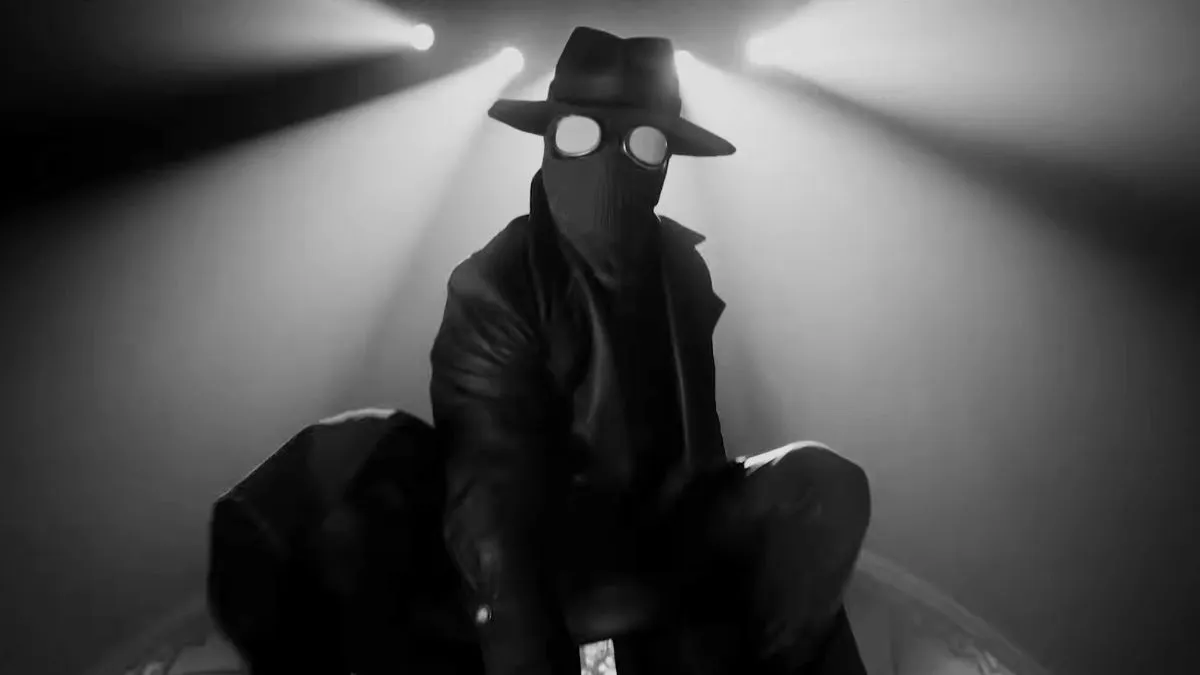
I stood in a dim theater lobby as the teaser looped on a cracked TV and someone muttered, “That’s not Peter.” You felt it too—the small jolt when a familiar hero refuses to fit your memory. I’ll walk you through what that jolt means for the Spider-Universe and why you should care.
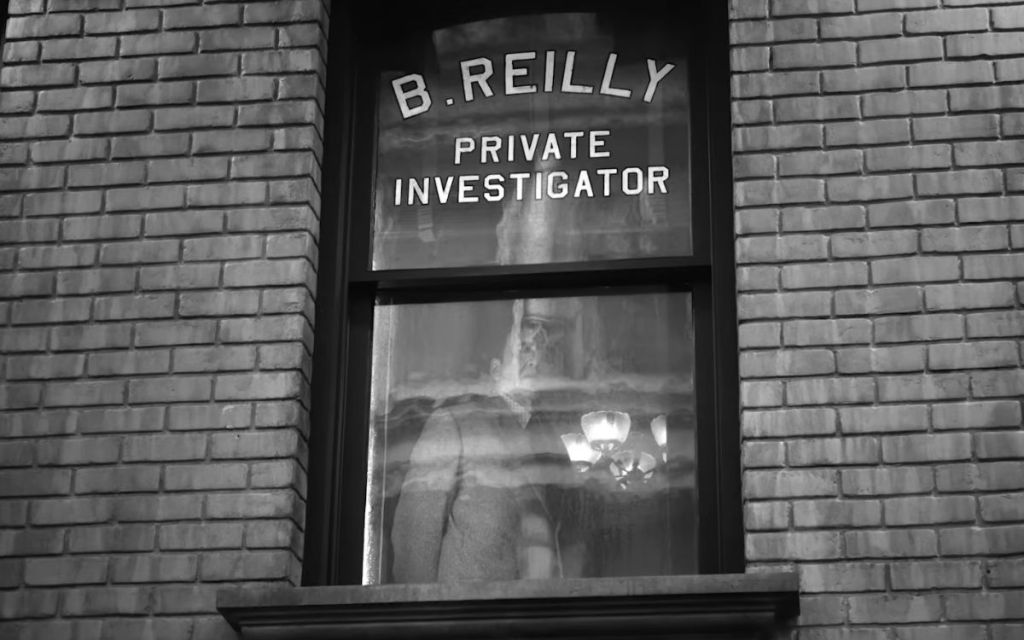
There was a heated exchange behind the con snack counter at a screening; someone insisted the teaser lied.
I agree with that frustration—but not for the reason most fans expect. Showrunner Oren Uziel told Empire that the Spider you’ll meet in Spider-Noir is a different identity, not a continuation of Spider-Man: Into the Spider-Verse. It’s still Nicholas Cage’s voice, but Uziel calls it a “different flavour” of the character—a creative reset inside the multiverse concept Phil Lord and Chris Miller popularized.
Is Spider-Noir part of the Spider-Verse?
No. The series leans on the multiverse idea as permission to reinvent. The teaser already flips one expectation: the hero is Ben Reilly, not Peter Parker, and the show refers to him as The Spider, not Spider-Man. That small change reframes the whole mythology.
Think of the show as someone removing a prop from a familiar scene and forcing you to notice the room’s architecture; the stakes feel different immediately.
At a private screening, I watched Cage laugh out loud as credits rolled; he wasn’t watching a parody.
Uziel and Nicolas Cage aimed for a version of the wall-crawler that audiences haven’t seen before. Uziel screened all eight episodes for Cage, who reportedly recited lines back “with pleasure and glee,” and the showrunner called that moment one of his most rewarding. The creative chemistry between Cage and Uziel is an authority cue: this is not nostalgia-worship, it’s reinterpretation.
Who voices Spider-Noir?
Nicholas Cage. He gives the character weight and distinctive cadence, but Uziel warns that it’s not the Cage we heard in the animated films—he’s applying his style to a different identity. The series leans into noir tropes and mood, so Cage’s performance reads like a cracked record of bravado and regret.
The series also experiments with form: MGM+ premieres Spider-Noir on May 25, 2026, then Amazon Prime Video follows on May 27, 2026, across eight episodes. Prime Video and MGM+ are obvious platform partners here; they’ll support both the black-and-white cut and a color version processed with a “True-Hue” technique that promises a precise palette.
Visual choices matter—this show dresses its past in different lighting, like a photograph developed twice in separate darkrooms.
There are reasons studios push these reinventions: they expand licensing and merchandising potentials, they give platforms like Amazon Prime Video and MGM+ fresh talking points, and they let creatives like Uziel, Lord, and Miller play with IP in ways that keep audiences guessing. For fans who track Easter eggs across the Spider-Verse films and Sony’s broader plans, this series will be a must-watch for decoding intent rather than canon alone.
I’ll leave you with the practical notes: Ben Reilly as The Spider, Cage’s voice, eight episodes, May 25 on MGM+, May 27 on Prime Video, and dual-format releases. You’ve seen Spider stories dressed as folk tale and animated fever dream—are you ready to argue about which version honors the myth and which one betrays it?