
The match ended with a metal clang and my screen flooded with red—then everyone in the crew chat started typing the same complaint. I sat back and felt that small, tense relief you get when a developer actually listens. By noon, the first Marathon patch notes were live and the tone had already shifted.
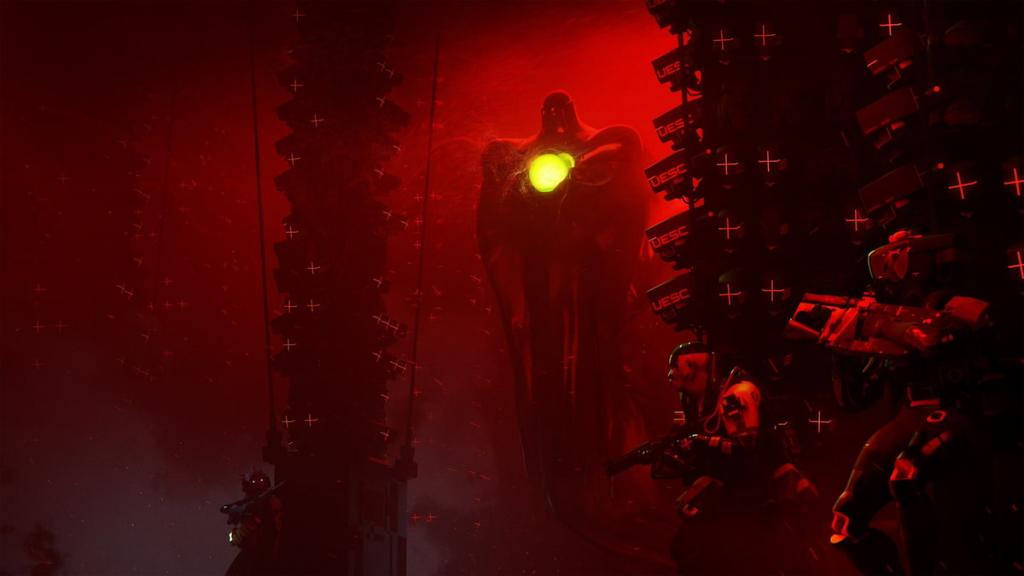
The Discord lobby lit up with complaints within hours. You heard the word “unfair” a lot—mostly aimed at UESC patrols.
I played a few runs after the patch and felt the change as a nudge rather than a shove. Bungie trimmed the health of most UESC enemies and lowered the shield HP on UESC bosses by a modest amount. That small move keeps the combat tense but stops matches from tipping into frustration every time you miss a corner peek.
Think of it as a scalpel, not a chainsaw—precise and intentional. You still lose if you play sloppy; you just don’t lose because an enemy ate three rockets and a grenade and shrugged.
The patch notes hit X like an instant memo in a newsroom. The language was short, specific, and aimed squarely at community feedback.
I watch these posts the way a reporter studies a press release: for signal and for posture. Bungie openly framed the change as a resource economy fix—”allow your bullets and meds to go further”—not a rewrite of the game’s identity. That phrasing matters; it signals respect for the game’s intended difficulty while responding to a surge of early complaints.
What changed in Marathon’s first patch?
Short version: UESC enemy and boss shields were nudged down, objective nav points now appear at double the previous proximity, thermal scopes were slightly nerfed, and Perimeter got extra Med Cabinets and Munitions Crates. The Rewards Pass will also get four new Runner Shells, a shotgun skin, and an emblem in a future update, per Bungie’s follow-up posts on X.
I noticed Perimeter felt less stingy last night during a late run. Small map-level changes show quickly in play.
Doubling the default distance for nearby objective nav points reduces aimless wandering and tightens pacing. Thermal scopes got a damage or utility nerf, and the added med and ammo spawns mean solos and crews can keep fights going without grinding for resupplies. Those are quality-of-flow fixes: they don’t change the rules, they change how often the rules punish you.
Why did Bungie nerf UESC enemies?
Bungie said the goal was to ease the resource burden in both Solos and Crews while keeping UESC combat engaging. Players asked for fewer “resource sink” encounters where ammo and meds evaporate on contact; Bungie responded by reducing HP and shields just enough to lengthen the life of your bullets and consumables without removing the friction that defines those fights.
The season pass sat in the storefront like a neglected playlist with a few good tracks. Players called it underwhelming, and Bungie answered fast.
The immediate promise of added cosmetic rewards—Runner Shells, a shotgun skin, an emblem—is a direct reaction to community disappointment with the season one pass. That kind of rapid content follow-up is the kind of small-scale trust-building that keeps a live service healthy. You vote with your playtime and your wallet; teams that move quickly to correct course keep both.
Will the difficulty be reduced long-term?
Not likely in any wholesale way. Bungie explicitly said they see value in the “friction” UESCies provide and have no plans to remove it. What you should expect is iterative tuning: small balance patches, quality-of-life changes, and cosmetic additions to the Rewards Pass. If you’re watching for a big, safe-every-playstyle rewrite, you’ll be waiting.
From here the story is simple: Bungie listened, adjusted, and promised more fixes. The momentum is healthy, the changes feel measured, and the conversation between players and developers is active on X, Discord, and community forums. Will Bungie keep tightening the screws without dulling the teeth—keeping fights meaningful but not punitive—and will players accept a game that still asks something of them?