
The judge read the passage aloud and the courtroom shifted—people who had treated this as a corporate spat suddenly smelled something else. I watched the line about ChatGPT and felt a private unease: a publisher using AI to map a way out of a payout. You can almost see the contract language wrinkle under pressure.
I’m going to take you through what just happened, why it matters, and who’s left holding the oxygen tank for Subnautica 2. The short version: a Delaware court ordered Krafton to reinstate former Unknown Worlds CEO Ted Gill and co‑founders Charlie Cleveland and Max McGuire, and the judge accused Krafton’s CEO of tapping ChatGPT to brainstorm ways to avoid paying an earnout. Last summer reporting from Bloomberg’s Jason Schreier suggested the delay may have been timed to avoid a roughly $250 million (≈ €230 million) earnout.
A judge spoke plainly in a packed courtroom.
The ruling orders Krafton to put Ted Gill back to work and restore the founders’ roles at Unknown Worlds. That’s not a temporary gag: the judge found the publisher’s stated reason for firing them—abandonment of duties—was thin, and that Krafton “went searching for a pretext” to avoid what the court described as a nine‑figure liability (at least $100 million; ≈ €92 million).
You should read that as a structural reversal. Krafton’s public statement last July framed the departures as a betrayal of fans, but the court’s language flips the script and accuses the publisher of manufacturing justification to shift cash flow. Bloomberg’s reporting from Jason Schreier is now central to the narrative that this delay might have been motivated by money, not readiness.
Why did Krafton fire Subnautica 2’s CEO?
VGC and court filings say Krafton accused Gill and the other leaders of abandoning responsibilities tied to Subnautica 2 development. The judge concluded there wasn’t a solid factual basis for that claim and ordered reinstatement. That’s a legal win for Unknown Worlds’ leadership and a reputational hit for Krafton.
A line in the transcript read like a tech memo.
The judge noted that Krafton’s CEO “turned to artificial intelligence to help him brainstorm ways to avoid paying the earnout.” The transcript even quotes ChatGPT saying it would be “difficult to cancel the earnout.”
That detail is seismic because it drags AI—specifically OpenAI’s ChatGPT—into a corporate litigation strategy. You and I have used ChatGPT to draft emails or brainstorm feature names; seeing it cited as part of a legal attempt to sidestep contractual payments is a very different context. The judge’s characterization makes the platform and the company offering it incidental witnesses in a financial dispute.
Will Subnautica 2 still launch in early access?
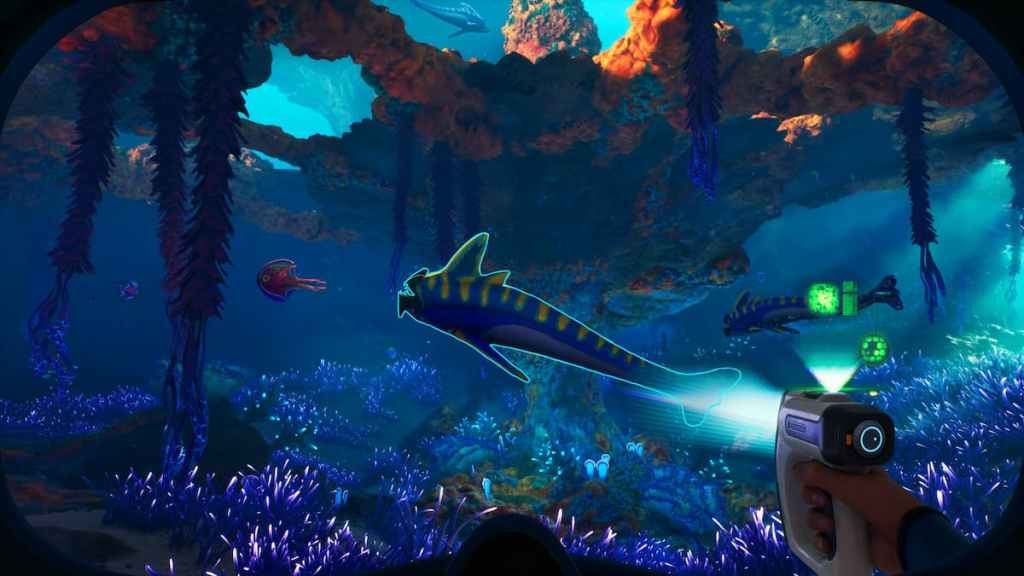
Unknown Worlds developers said the build was ready for early access; Krafton delayed the release. With Gill reinstated, the argument for release gains legal and managerial momentum. But the delay, the lawsuits, and the public blame game have added friction—platforms like Steam (where Subnautica 2 is the most wishlisted title) are watching. You should expect more hearings and corporate maneuvering before a firm early access date appears.
People react like spectators in a slow-motion argument.
Fans lost trust when executives traded accusations; employees saw HR and legal teams climb onto center stage. For the industry, this is a case study in how acquisition clauses and earnouts can strangle studios’ autonomy. Two founders and a CEO who had been steering the project are back; that could accelerate the timetable or at least clarify responsibilities.
There’s also a financial shadow. If the company tried to avoid a roughly $250 million (≈ €230 million) payout, that’s more than a single missed milestone—it’s a nine‑figure contest that affects investor sentiment and future M&A deals. Krafton will now weigh reputational repair against legal exposure, and you should expect public statements, appeals, and possibly settlement talks.
I’ve covered corporate fights where one side tries to draw a map of blame and the other side refuses to accept the legend. This feels like a legal landmine placed where the studio thought it had solid ground. The public accusation that an executive used ChatGPT to brainstorm contractual escape routes reads like a film‑noir twist on corporate governance.
Platforms and reporters are already woven into the story: Bloomberg’s Jason Schreier, VGC’s coverage, Steam wishlists, and the legal filings themselves form the primary documents you can follow. If you track the game’s Steam page, follow reporting from industry outlets, and watch court dockets in Delaware, you’ll get the next moves faster than press releases.
So what do you watch for next? Appeals, interim orders, and any official roadmap updates from Unknown Worlds. And keep an eye on how publishers and studios document AI use in internal decision‑making—this case could set precedent for whether internal AI prompts are discoverable in litigation.
Who pays when an AI suggests a workaround and a contract is ignored—should the prompt carry legal weight or is it just a draft idea?