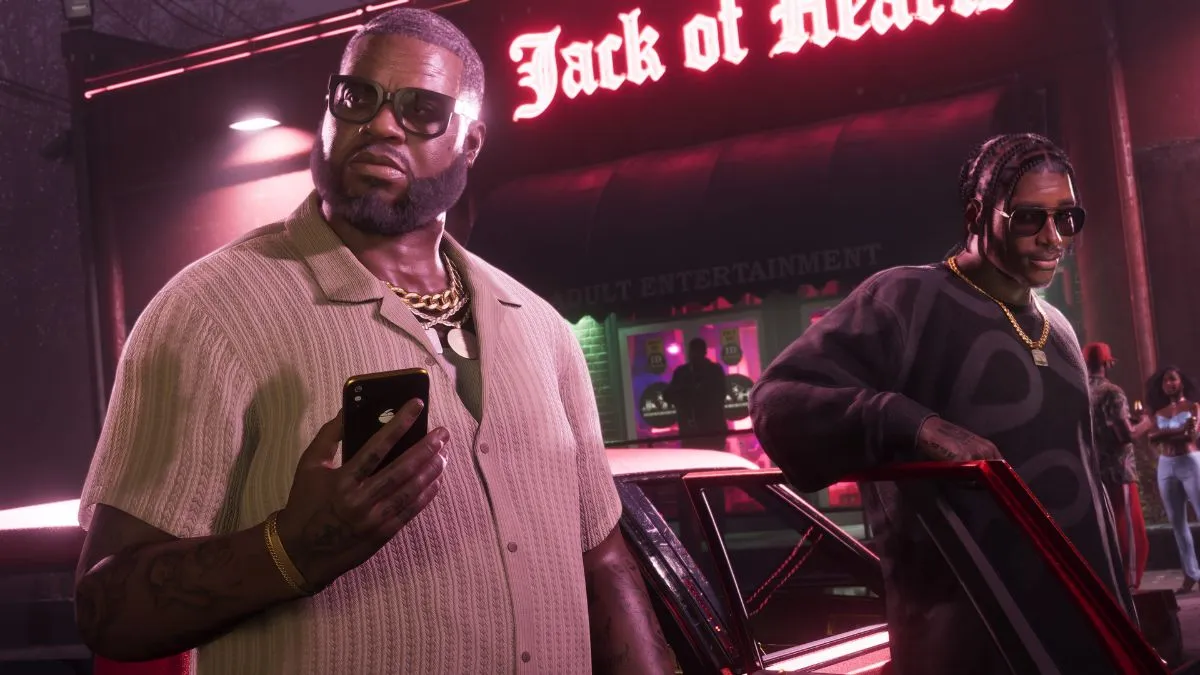
I watched the Take-Two ticker dip the morning Google’s Project Genie demo flooded feeds. You could feel comment threads metastasize into fear and opportunity in the same breath. Then Strauss Zelnick took the call and, with a single line, diffused half the hysteria.
I’m going to walk you through what he actually said, why the panic was overblown, and where AI will genuinely matter in games — not as a magic button, but as a set of tools you’ll learn to use or ignore. If you care about games, studios, or the markets that price them, you should care about the distinction between generating assets and creating hits.
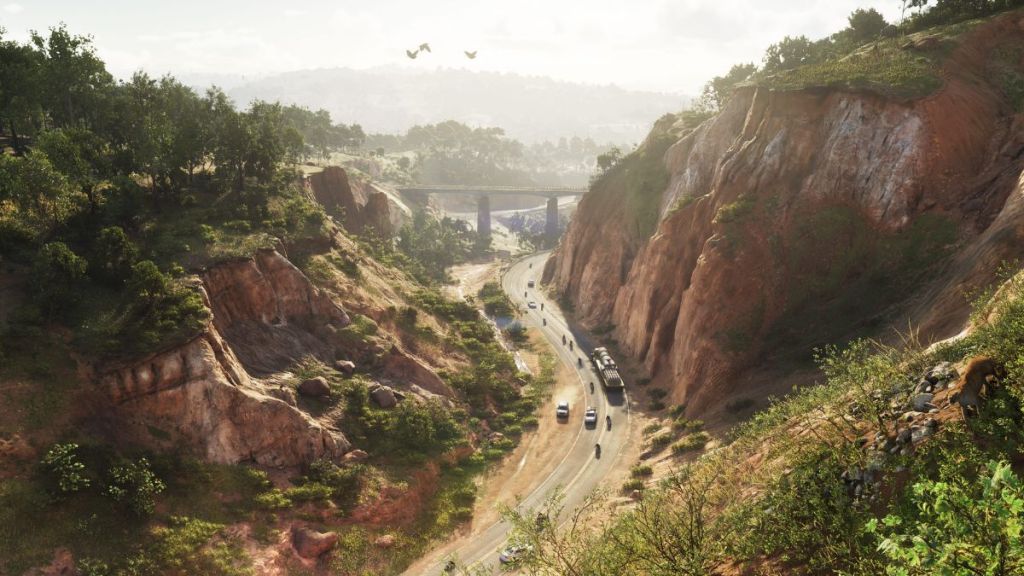
On an investor call that followed the Project Genie uproar, Zelnick told shareholders AI won’t replace human creativity
I listened to Strauss Zelnick’s interview and it was refreshingly blunt: the market had overreacted. He told investors that while creation tools can help studios produce assets faster, they won’t automatically produce the cultural hits that move millions of players and dollars.
His point was surgical: asset generation and hit-making are separate problems. You can use an AI to spit out environments or character models — Google’s Project Genie showed off rapid environment generation — but that’s not the same as designing systems, pacing narrative, or engineering emergent player moments.
Can AI create a game like GTA 6?
Short answer: no, not by itself. Zelnick called the idea “laughable.” He explained that the notion of someone pressing a button and producing a global hit misunderstands what makes games resonate: sustained design, iteration, QA, marketing, and a studio culture that crafts experiences over years. Tools like Project Genie or even NVidia’s DLSS 5 — which stirred its own controversy by applying AI-driven visual upscaling — are aids, not auteurs.
When Project Genie hit the web, forums and analysts treated it like a tidal wave — headlines exaggerated its power
You likely saw the same threads: clips of instant environments, breathless claims about democratizing game production, then the inevitable vendor hype. I call those moments “AI snake oil” rallies — salesmen promise a shortcut to hits and investors panic.
Back on the markets, Take-Two’s shares dipped briefly. Zelnick stepped in to calm nerves, pointing out that creation tools are beneficial but they don’t automatically create cultural hits. AI may be a powerful assistant, but it is not a universal key that fits every lock.
At Rockstar and across studios, small decisions—level design, NPC behavior, narrative beats—are where hits are made
Go into any development studio and you’ll see teams grinding on details players never notice explicitly. That’s the craft. A hit is like a film director turning chaos into choreography — the end result looks effortless only because years of invisible work paid off.
If you want practical framing: view AI as a set of accelerants for workflows — concept art generation, iterative worldbuilding, procedural content that designers curate. It saves time, and time is money, but time alone doesn’t buy engagement or critical acclaim.
Will AI replace game developers?
No — but it will change what they do. You and I both know headlines sell better with absolutes, yet the truth is nuanced. Developers who treat AI as a collaborator will move faster; those who treat it as a replacement will miss what players actually respond to: human-directed systems, playtesting insights, cultural context, and clever design decisions. Think of AI as a new instrument in an orchestra, not the conductor.
Names matter here: Google’s Project Genie kicked the debate off, NVidia’s DLSS 5 reignited skepticism, and industry figures — from Strauss Zelnick to studio leads at Rockstar and teams behind NBA 2K or EA Sports FC — will shape how these tools are adopted. You should watch which studios integrate AI thoughtfully and which chase press-friendly demos.
I’ll leave you with this: tech demos move markets for a day, but hits are built by people over years. Do you side with the executives who say AI is a tool, or with the futurists who promise a one-button future?