
I watched the credits roll once, then again, because a single silver circle stole the scene. Leon slides a ring on, the camera lingers, and suddenly every forum turns into an interrogation room. I promise you: that tiny act is doing more narrative work than most boss fights.
I’m going to say something blunt: Koshi Nakanishi wants the mystery to simmer, not explode. He told Eurogamer the answer will come “some day, but not just yet,” and then framed that final shot as a simple human truth: Leon now has a “place to go home to.” You can treat that as closure, or you can treat it as a provocation. I treat it as both.
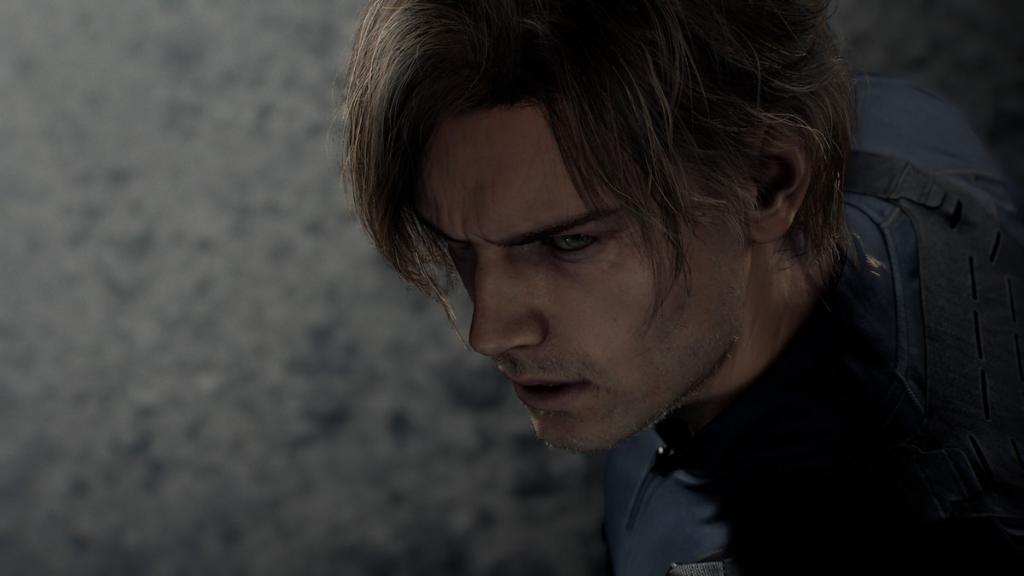
On social feeds, a single close-up can start a movement
People on Reddit, X, and fan forums replayed that ring shot until the pixels blurred. I watch threads blossom into elaborate timelines where each kiss, handshake, and alleyway encounter becomes evidence. That’s how lore grows: micro-evidence stacked until a theory looks like fact.
Who is Leon Kennedy married to?
If you want the tidy answer the director offered one: the identity isn’t the point—Leon has a home. I don’t disagree that the emotional function matters more than the name on an invitation. But you and I both know fandom rarely stops at function; it wants faces, names, and screenshots to pin on a wall.
Is Leon married to Ada Wong?
Say Ada Wong and watch the room divide. Their chemistry in Resident Evil 2 is the fuel for that claim: kisses, secrets, and disappearances that read like an old spy novel. Fans have been shipping Ada and Leon so often their archives could sink a small server. Capcom has never explicitly confirmed it; Nakanishi’s silence is strategic, not accidental.
What does Leon’s ring actually mean?
Is it a vow, a promise, or a coil of resolve? Nakanishi described Leon as “a man who says very little about the things that truly matter.” To me, the ring is a tidy answer to a messy life: a signal that his world contains someone worth returning for, a steady point when everything else unravels.
At a glance, the director’s words aim to close a loop
Nakanishi asked, “Isn’t that enough?” and left the question humming. You can respect that choice: after decades of biohazards and betrayals, a private peace reads like earned currency. But you’ll also notice how that statement hands fans the perfect crack to pry open.
The ring lands like a period at the end of a sentence—neat, decisive, and yet inviting every reader to rewrite the paragraph.
In comment sections, theorycrafting behaves like a second economy
Fanfiction sites and YouTube essays extract scenes and repurpose them into whole lives for Leon. I’ve seen timelines that thread Ada, Ashley, and original characters into domestic bliss. You should expect that: collecting characters into relationships is how communities make meaning out of chaos.
Think of the fandom as a crowded kitchen: every fan is cooking up their favorite version of the meal, trading recipes, and occasionally setting the smoke alarm off.
I’ll be direct: Capcom and the team at Resident Evil Requiem—and their spokespeople on Eurogamer—are savvy. They know a tease is more valuable than a reveal. You can file that under marketing, storytelling, or both. I file it under storytelling with a keen eye on communal behavior.
So where does that leave you, the writer, the theorist, the obsessive screenshotter? You can accept Nakanishi’s invitation to imagine peaceful moments for Leon, or you can keep digging into every shared glance and offhand line. I prefer doing both: acknowledging the intention while cataloguing every breadcrumb.
Capcom created a moment that functions as narrative balm and gasoline at the same time—gentle on the surface, combustible underneath. Which side will you fan?