
I stood on a dusty Cinecittà lot and watched carpenters lay down Roman cobbles as if rehearsing for a fire scene. You can feel the heat of 64 AD before a single camera rolls; the set looked like a tinderbox. I want to tell you why that matters for fans and skeptics alike.
After years of false starts and creative departures, Netflix finally gave Assassin’s Creed the green light in 2025 with a new creative team and a clear, unsettling choice: the show ignores the games’ familiar hero arcs and drops viewers into Ancient Rome during 64 AD. That date isn’t decorative. It’s the year of the Great Fire, Nero’s absence in Antium, and the brutal scapegoating of Christians—events that promise tension, politics, and a different flavor of assassin work than gamers expect. You should know this is an original story set inside Ubisoft’s mythology, not a scene-for-scene lift from the video games.
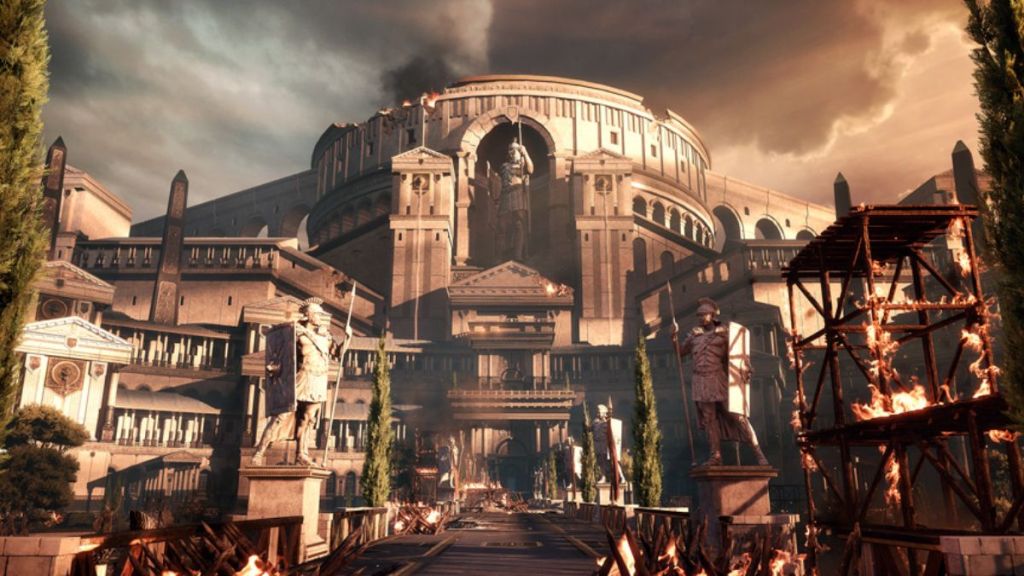
On a soundstage in Rome, the air tastes of plaster and diesel: what the show is actually about
The creators chose 64 AD because it’s volatile—a short fuse for narrative. You’ll see the Great Fire and the political fallout through an original Assassin’s Creed lens: conspiracies, religious persecution, and a city that can be both cradle and trap.
This isn’t Ezio Auditore’s Italy. The series deliberately moves away from beloved game arcs and places new characters at the center. That’s a gamble: fans crave familiar anchors, but TV gives time to breathe and weave context that a two-hour movie—remember the Michael Fassbender attempt—couldn’t hold.
You can smell coffee and paint on set: how and where the series is being made
Production began on March 9 at Cinecittà and the series is being shot entirely in Italy. The shoot is scheduled to run roughly seven months, which suggests Netflix and Ubisoft are treating this as a long-form investment rather than a rushed tie-in.
Cinecittà is a brand in itself—where Hollywood met Italian craftsmanship—and its stages will be a major selling point when marketing leans on authenticity. Expect heavy use of practical sets, crowd work, and period wardrobe that plays well in press stills and trailers sent to outlets like Variety and The Hollywood Reporter.
On a call sheet, names can tilt expectations: who’s in the ensemble
The casting list reads like a signal: Lola Petticrew, Toby Wallace, Zachary Hart, Laura Marcus, Tanzyn Crawford, Nabhann Rizwan, Claes Bang, Noomi Rapace, Ramzy Bedia, Sean Harris, and Corrado Invernizzi. That mix of established and emerging talent suggests a balance of star power and fresh faces.
Noomi Rapace and Sean Harris bring genre credibility that helps sell the show to both streaming audiences and critics. Ubisoft posted the news on X (formerly Twitter), and Netflix will lean on those names to cross-promote on its platform and in trailers on YouTube.
A theatre prop can spark a fan riot: what gamers should expect
At conventions, players dress as Ezio and shout for fidelity; on set, the producers are building something else. The series is an “original story” within Assassin’s Creed’s mythos—so it borrows the franchise’s ideas (hidden blades, creed conflicts) while dropping its own characters into historical turbulence.
That means a different rhythm from the games. Episodic storytelling gives room for politics, slow-burn conspiracies, and moral grays that a single game protagonist might have resolved with a critical hit. For gamers who wanted Ezio, this will sting a little—but for viewers hungry for historical drama, it could be a welcome pivot.
Is the Assassin’s Creed Netflix series faithful to the games?
No. The series is original within Ubisoft’s universe. It keeps franchise mechanics and the ideological tug-of-war between Assassins and their enemies, but tells a fresh story set during Nero’s Rome instead of adapting a specific game plot.
When is the series set and why does 64 AD matter?
It’s set in 64 AD, the year of the Great Fire of Rome. That fire is cinematic by design: widespread destruction, political scapegoating, and a real emperor—Nero—whose absence and choices create conspiratorial oxygen. The show uses that moment to fuel intrigue and persecution-led storylines.
Who’s in the cast and where is it filmed?
Principal photography is at Cinecittà in Italy. The cast includes Claes Bang and Noomi Rapace among others; Ubisoft confirmed the ensemble on X. Expect Netflix to push those names in international markets, especially in press circuits and festival screenings.
At a café outside the studio, people argue over fidelity: what success looks like
Success for this series won’t be measured only in subscriber spikes. It will be judged on whether the show sustains engagement across episodes, converts game fans without alienating newcomers, and builds a visual and political texture worthy of Rome’s history.
Think of the show as both a public square and a chessboard: one metaphor shows the crowd, the other reveals strategy. If Netflix leans into serialized mystery and Ubisoft’s lore with patience, the series could become the franchise’s better televised attempt than the film ever was.
I’ve watched IPs stumble and recover—Netflix and Ubisoft know how much is at stake. You’ll decide if Ancient Rome without Ezio feels like refreshing territory or a missed promise; either way, the flame has been set—are you ready to see who it burns?