I opened the internal memo and watched the chat go silent. You could feel a company’s rhythm change in a single announcement. Epic’s balance sheet looked suddenly brittle, a dam with hairline cracks.
I’m going to walk you through what changed today, what Tim Sweeney says, and what this means for the people and products you care about. Read this as a report and a warning: over 1,000 Epic Games employees are being let go, and several Fortnite modes are shutting down for good.
Empty desks and canceled meetings
Tim Sweeney’s letter to staff confirmed a sweeping reduction: “We are spending significantly more than we’re making, and we have to make major cuts to keep the company funded,” he wrote. The company attributes the move to “a downturn in Fortnite engagement that started in 2025” and broader industry forces — slower growth, weaker spending, tougher cost economics, and current consoles selling fewer units than the last generation.
Why is Epic Games laying off employees?
Sweeney frames the layoffs as a financial triage. Epic says the company’s spending outpaced revenue amid a softening player base and stiffer competition for attention from streaming, social platforms, and other interactive entertainment. He also called the market conditions “the most extreme we’ve seen since those early days,” while stressing the company still wants “as many awesome developers” working on content and tech.

Calendar events removed, modes with end dates
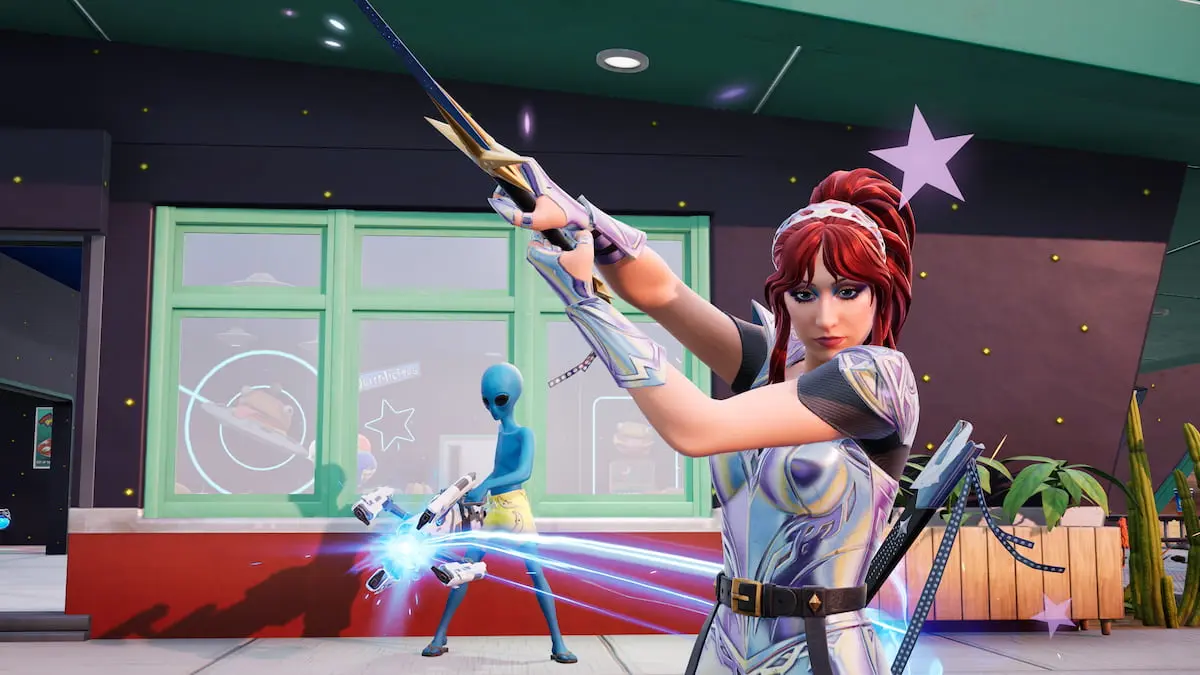
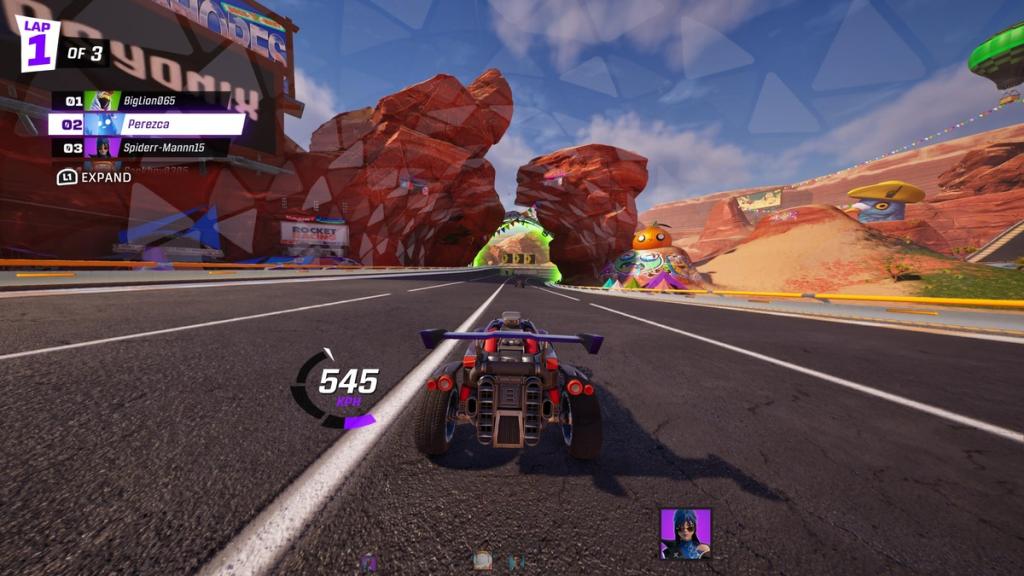
Sweeney named three Fortnite modes that will be retired: Rocket Racing, Ballistic (a mode compared to VALORANT), and Festival Battle Stage. Ballistic and Festival Battle Stage will be gone as of April 16; Rocket Racing will disappear in October. The company is pulling content back in a way that feels deliberate and abrupt — the modes are cast adrift, monuments turned to driftwood.
Which Fortnite modes are being shut down?
Short answer: Rocket Racing (gone in October), Ballistic (removed April 16), and Festival Battle Stage (removed April 16). For competitive and creative communities, those closures reduce reasons to return, and for Epic, that’s lower engagement metrics feeding the financial stories Sweeney described.
Severance envelopes and health care
Sweeney wrote that affected employees will receive “at least four months of base pay, with more based on tenure,” plus continued Epic-paid healthcare (six months in the US). That’s a cushion, but not a fix; people leave teams, projects pause, and institutional knowledge walks out the door.
Is this about AI?
Sweeney explicitly said these layoffs are not AI-related. He argued that productivity improvements from tools should allow Epic to keep as many developers working on content and technology as possible — a public separation of cost-cutting from automation fears.
The timing also follows recent changes to the game’s economy: Epic raised the price of Fortnite V-Bucks less than two weeks ago. Publicly, the company is tightening revenue and trimming content at the same time. And in the background sits a headline-grabbing celebrity tie-in: Dwayne “The Rock” Johnson — reported with a net worth of $800 million (≈€740 million) — appears this season in the battle pass, an expensive example of star-power strategies that may or may not drive long-term engagement.
Consoles selling slower, competition for attention
Across the industry, hardware cycles are softer: current consoles are selling fewer units than the previous generation. That reduces new-player growth and hurts the virtual-economy model games like Fortnite rely on. Add streaming services, short-form social content, and big-budget TV and film, and games are one more thing fighting for a finite block of player time.
As someone who watches the business side of games, I see a familiar pattern: companies pile marketing and celebrity deals into a product, hoping to spike engagement; when numbers don’t hold, they retrench. That swings public sentiment fast and hard — and it reshapes hiring, partnerships, and roadmaps across platforms such as the Epic Games Store, PlayStation, Xbox, and even PC storefronts.
So where does that leave players and creators? Some will mourn the lost modes. Creators who built on those systems may have to adapt or move to other platforms. Competitors — from Riot Games to independent studios on Steam and the Epic Games Store — will watch for gaps they can exploit.
What happens next is a strategic test: can Epic tighten spending, rebuild engagement, and bring developers along without hollowing out the teams that make the product compelling, or will these cuts erode the very foundations that kept players coming back?