
The line at my local electronics store was half what I expected, and a display case sat gathering fingerprints and dust. I remember thinking, with a sinking feeling, that the holiday rush had missed Nintendo entirely. That moment made one thing clear: the Switch 2’s story this season is more complicated than a single sales chart.
I’ve covered console cycles for years, and I want to walk you through what happened, why Nintendo trimmed production, and why history suggests this might not be the end of the road. You’ll get Bloomberg-level reporting, context from retail trends, and a straight take on what the numbers mean for you.
I saw empty Switch 2 sections on store shelves — Nintendo console sales have been on a rollercoaster for over two decades
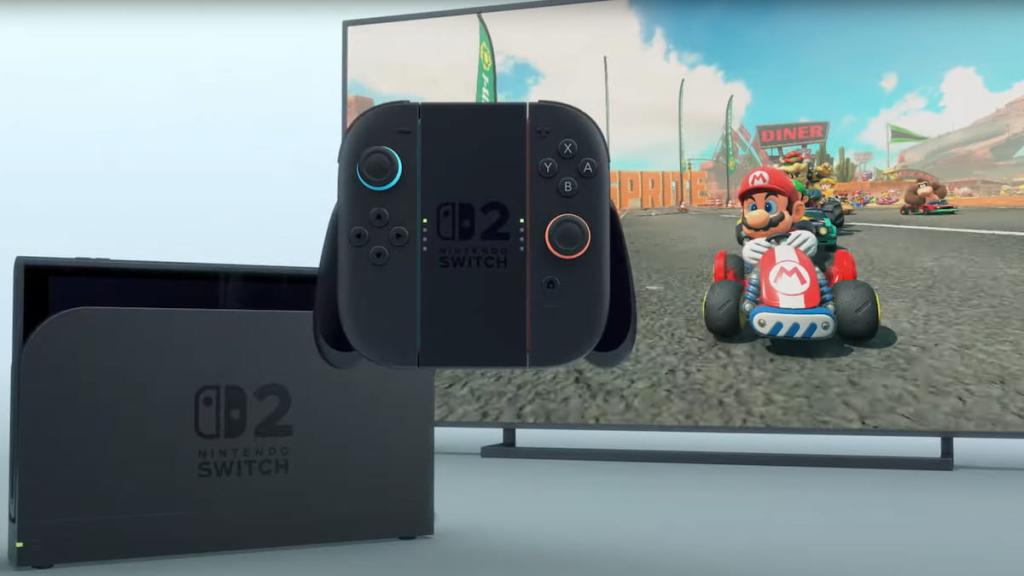
Start with the headline: Bloomberg reports Nintendo cut Switch 2 production by about 30% after U.S. holiday sales fell to record lows. That’s a blunt move — one meant to stem losses and give Nintendo time to reset production and inventory. It reads like a crisis in the moment, but it also fits a pattern that stretches back through the company’s hardware history.
Look back and you’ll see peaks and troughs: the GameCube disappointed at roughly 20 million units after the N64’s smash run; the Wii then exploded to about 100 million units; the Wii U faded into obscurity; and the original Switch climbed to roughly 155 million units. These swings tell you two things: Nintendo is willing to take big creative risks, and those risks don’t always translate into steady sales.
Why did Nintendo cut Switch 2 production?
You can blame several forces at once. Tariffs, geopolitical supply shifts, and higher memory prices pushed costs up at the component level — suppliers like Micron and contract fabs such as TSMC have tightened supply, which raises margins. Retailers from GameStop to Amazon signaled weaker U.S. demand, and Bloomberg’s sources say Nintendo chose a 30% pullback to avoid overstock and the markdown spiral that kills margins.
This isn’t only about quality or IP. Domestic affordability matters: higher component costs and inflation have acted like a slow leak in a tire, deflating consumer willingness to buy hardware at launch prices.
I noticed different scenes in Tokyo and New York — The Switch 2 is down, but it’s not out yet
In Japan, the console’s momentum looked healthier mid-season thanks to titles like the new Pokopia release. That regional split is important: a dip in the U.S. doesn’t mean a global failure. Nintendo’s IP strength remains intact — ask anyone who watched Mario, Pokémon, or Zelda carry systems in past generations.
Companies and analysts matter here: NPD-style retail tracking will show the exact U.S. trajectory over time, and Bloomberg’s reporting suggests the decline was sharper stateside. Nintendo president Shuntaro Furukawa and the company’s investor-facing teams will use that data to decide whether to lean on price promotions, bundle tactics, or staggered software drops to regain momentum.
Will the Switch 2 be discontinued?
No, not on the evidence we have. Nintendo has a habit of letting software do the heavy lifting — a single killer title can change demand curves drastically. Look at how Mario Kart, Pokémon, and flagship Zelda launches reshaped previous cycles. If Nintendo times a must-have exclusive or a cross-market promotion, the console can bounce back; hardware pauses like this are more defensive than terminal.
Think of the company as a lighthouse flickering during a storm: steady IP and strong first-party titles are the beam that guides sales back over time.
So where does that leave you? If you were waiting for a price dip, the production cut may speed discounts at retail. If you’re a collector or a loose buyer, regional availability and Japan-only software packages could complicate imports. If you’re a developer or investor watching margins and supply chains, this is an example of how component costs and retail demand intersect.
I’ll keep tracking signals from NPD, Bloomberg reporting, retail restocks on Amazon and GameStop, and Nintendo’s investor communications. The big question now is whether a new Mario, Pokémon, or Zelda can reverse the trend — and how long Nintendo will tolerate a U.S. slump before it changes strategy. What do you think Nintendo should do next?