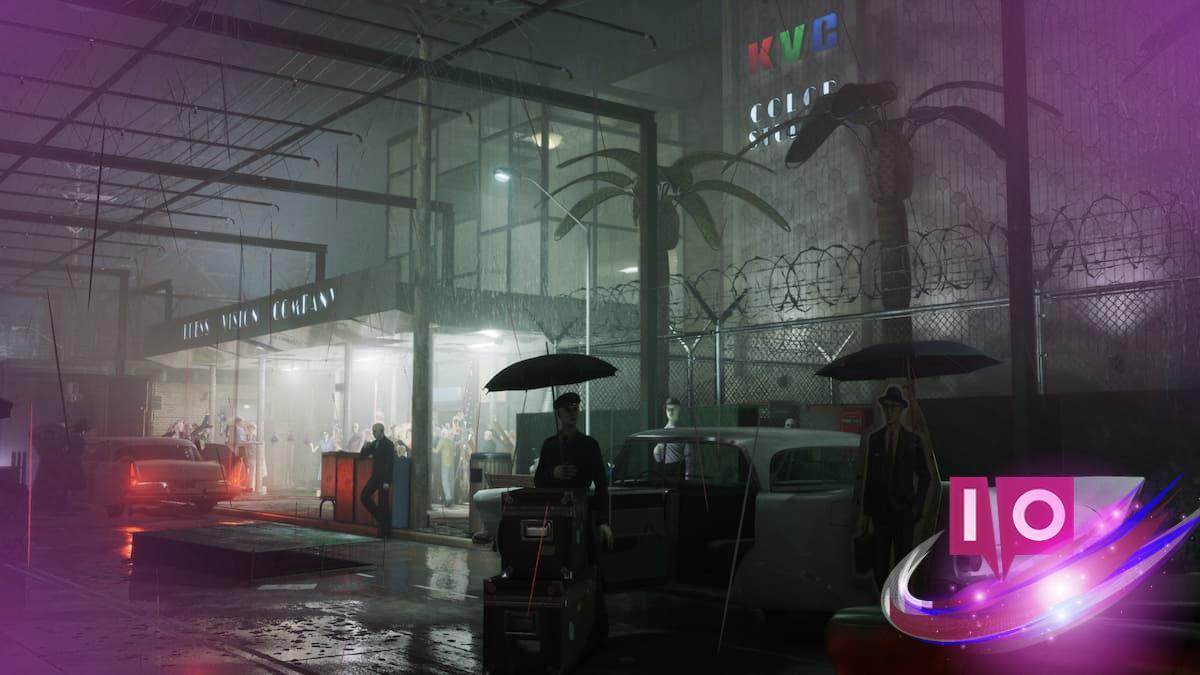
The lights died mid-take and the studio speakers filled with static. I heard my friend breathe through Discord and realized none of us had a clear plan. You learn, fast, how fragile a plan is inside The Outlast Trials.
I’ve spent enough nights with this game to know when a patch changes the rhythm of play. Red Barrels’ new Season Six content, Project Judas, drops you into a TV and film production set that plays like a trap. It adds a fresh trial, new environments, and more Murkoff paperwork in the corners of every room.
On a Tuesday evening my team argued for five minutes over a camera dolly before an alarm rang
Project Judas shifts the game away from the auction-house horrors you’ve seen before and into backlots, soundstages, and dressing rooms. The set pieces are unnerving: mannequins under sodium lights, call sheets stained with something darker, and a production crew that never stops watching.
This update isn’t cosmetic. It introduces a fully realized environment and at least one new trial tied to Murkoff’s expanding files. If you buy the base game on Steam, PlayStation, or Xbox, the new content arrives as a patch; retail price for the base game sits around $19.99 (€18) on PC storefronts, and it’s worth that if you value coordinated fear over scripted jump scares.
Is The Outlast Trials good for co-op?
Yes — but not like most co-op horror that relies on chaotic AI or unfair RNG. I played with three friends over Discord and the game demanded we talk. Objectives force splits, but the design rewards coordination: someone watches cameras, another solves a puzzle, and a third distracts threats. It feels like classic survival horror mechanics married to multiplayer pressure.
At 2 a.m. we learned how silence can be louder than any scream
There’s a temptation to write off multiplayer horror as either brilliant or broken. I used to call many indie attempts “friendslop” — teams getting steamrolled by erratic AI and random difficulty spikes. The Outlast Trials avoids that more often than not by leaning on player choice and tension rather than pure luck.
You’ll still have brutal runs. The game asks you to think on your feet: split at the right moment, use tools wisely, and keep lines of sight clear. Communication is rewarded and sloppy play is punished. That balance is rare; it makes every successful escape feel earned.
How big is the Project Judas update?
It’s sizable: a new environment, another trial with rich Murkoff lore, and quality-of-life tweaks that change pacing. The devs at Red Barrels have packed more narrative breadcrumbs into set dressing and audio logs, so exploration matters as much as reflexes. You’ll find connections to the singleplayer Outlast games if you hunt through files and recordings.
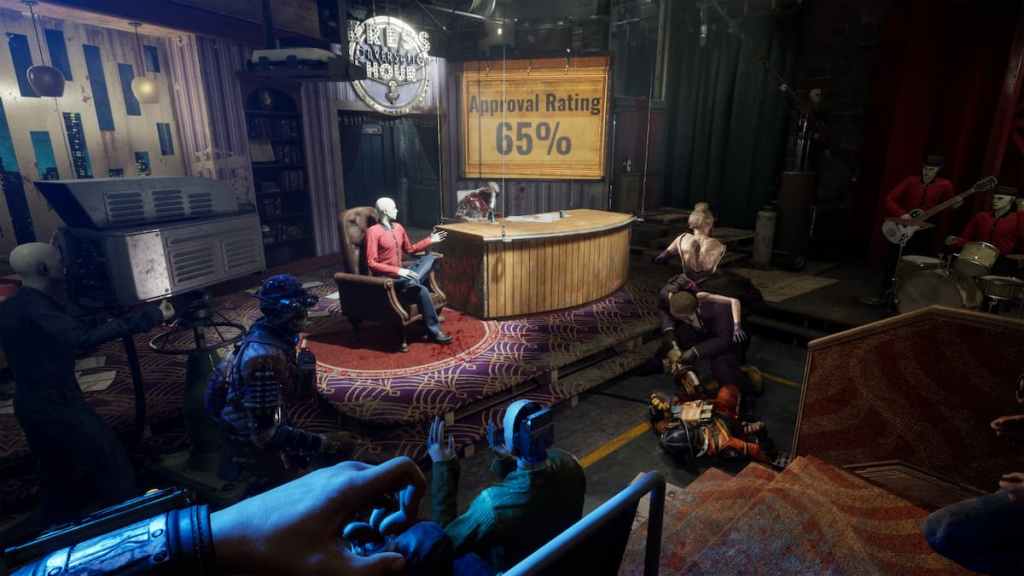
During one run I turned a corner and found a prop chest full of audio logs
The lore here is sticky. Murkoff’s experiments bleed into production notes and call sheets, and the writing implies more chapters. These additions make the Trials feel less like isolated minigames and more like an unfolding dossier you and your friends are compiling under pressure.
For creators and streamers, Project Judas is prime material. YouTube clips of tight escapes will spread faster than patch notes, and communities on Steam and Discord will pick apart every audio file for hints. If you enjoy nightmare theater supported by community theorycraft, this update feeds that loop.
Do I need friends to enjoy The Outlast Trials?
Not strictly. Solo runs exist and can be intense, but the design shines when you have teammates who can coordinate with headsets and a plan. Public matches work, but if you want to feel the full weight of the game’s tension, invite people who will listen and follow directions — otherwise you’ll end up as a cautionary clip on someone’s channel.
Project Judas proves multiplayer horror doesn’t have to collapse into artificial difficulty or lazy randomness. It rewards timing, teamwork, and a willingness to read the room. I’ve seen runs where a single whispered instruction changed the outcome faster than any patch note could explain.
There’s a sound design choice that hit me hard: the studio monitors that fold ambient noise into the gameplay so well it becomes an extra player, watching and waiting like a rusted film projector casting ghosts. The update tightens pacing so matches stop feeling bloated and start feeling like small, miserable sagas — like a pressure cooker about to crack.
If you want a multiplayer horror experience that respects coordination over chaos, and story over spectacle, this patch is a reminder that thoughtful design still matters. Will you risk another midnight run through Murkoff’s sets?