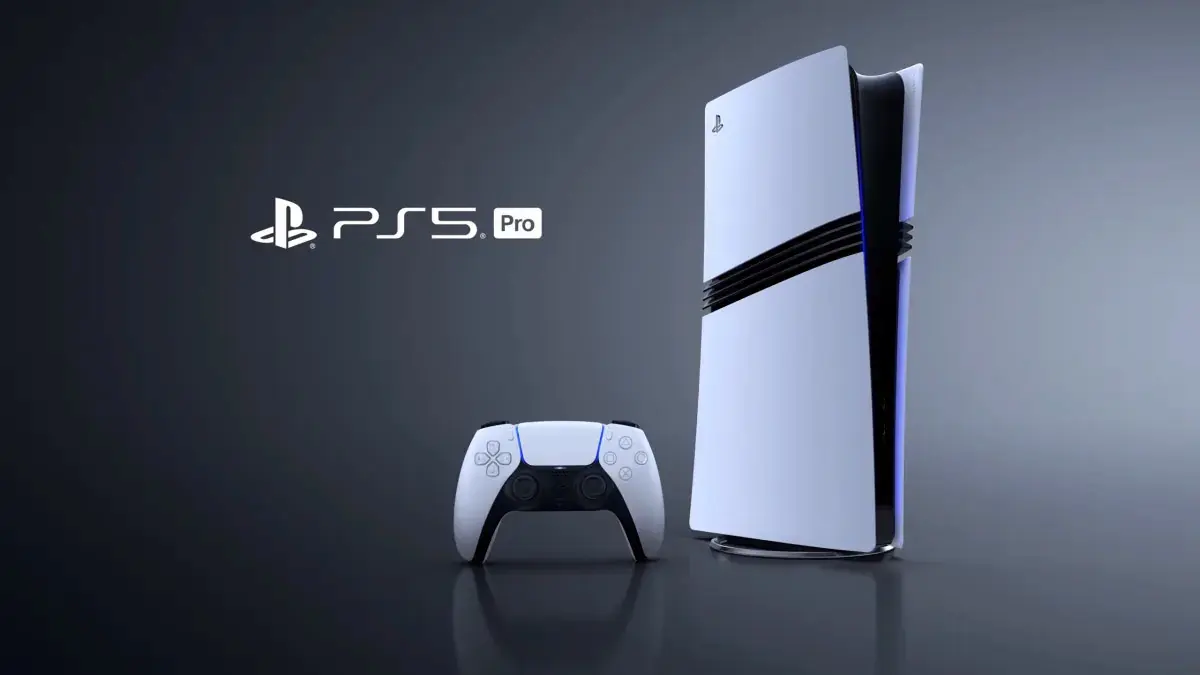
I opened my feed and there it was: Sony’s post, blunt and immediate, and my cart suddenly looked a lot less reasonable. The PS5 Pro now lists for $900 (€828). I felt the same small betrayal you do when a favorite brand quietly raises the price of something you already love.
I’m going to walk you through what’s actually pushing these numbers higher, why it’s happening again, and what you can realistically do about it. You’ll get clear causes, who benefits, and where the industry might be heading next.
At 11:00 a.m., a tweet made the price feel real
Sony announced a global price increase across PS5 SKUs and the PlayStation Portal: the PS5 Pro jumps to $900 (€828), the base PS5 to $649 (€597), and the PS5 Digital Edition to $599 (€551). The Portal is now $249 (€229).
This is not a minor tweak. Prices that once felt like the cost of a hobby are now nudging into luxury territory, and that changes how you shop, wait, or decide between consoles, PC, or streaming services.
Why is the PS5 price increasing?
Short answer: a mix of hardware cost pressure, logistics, and corporate math. Memory chips—DRAM and GDDR—have been bid up by data-center demand for AI. Suppliers like Samsung and Micron are selling into hot markets, so gaming hardware pays more. Add U.S. tariff shifts, higher shipping, and steady inflation, and the manufactured cost per console inches up.
I watched an engineer swap a RAM module on a factory floor
At the component level, parts matter. GPUs, memory, and increasingly complex cooling designs cost more to source and test.
AI servers have become the industry’s vacuum cleaner for high-end memory, pulling DRAM prices upward. That shortage trickles down to consoles. Think of the parts pipeline like a crowded highway—one stalled truck slows every delivery behind it.
The storefront told me what consumers feel: sticker shock
Retailers and publishers are reacting, too. Nintendo pushed some titles to $80 (€74), and Microsoft has already adjusted Xbox pricing in the last year. Historically, consoles drop in price over a generation; now they’re ratcheting up instead.
Will prices keep rising for consoles?
They might. If AI demand for silicon and memory stays high, and if transport and tariff pressures remain elevated, manufacturers will keep passing costs along. Sony and Microsoft have margin targets and shareholders; if component costs don’t retreat, hardware prices are an easy lever.

I sold my old console on a Tuesday to make room for an upgrade
Your timing matters. If you were planning to buy a PS5 Pro, buy before the new MSRP hits retailers on April 2. Prices will be higher after that date in the U.S. and several other markets. The same advice applies if you’re eyeing an Xbox Series X or a forthcoming Switch 2—supply and pricing moves are industry-wide.
Should I buy a PS5 now or wait?
Ask yourself three quick questions: Can you afford the new MSRP without stress? Do you need the Pro’s extra power today? Are major exclusives you want locked to one platform? If the answer to the last is no, waiting for bundles or holiday discounts could be smarter. If you want the hardware now and can absorb the price, the current window before April 2 is the least costly option.
I called a friend who runs a small retail shop and he sighed
Retailers see two forces: consumers tightening budgets and publishers pushing premium bundles. That squeezes margins and changes stocking decisions. Smaller stores might carry fewer units or shift focus to accessories and higher-margin items.
To be blunt: this market is beginning to resemble the luxury car market—more options, richer trims, and a higher entry price for the shiny new model.
What this all adds up to is a simple fact: the cost to make and move consoles has changed, and companies are passing some of that on. You can hedge by buying now, waiting for discounts, buying used, or considering other platforms like PC and cloud services. Whatever you pick, the era of steady console price declines is over for now.
So which move will you make—the one that protects your wallet or the one that scratches the itch right away?