I was hunched in a damp corridor as a torch sputtered and someone whispered, “Roll for perception.” You could have mistaken the glow from our monitors for a candlelit table. For a breath, Wyldheart blurred the line between keys and conversation.
I played Wyldheart with Wayfinder Studios’ team at PAX East, guided by Dennis Brännvall, the creative mind behind Star Wars Battlefront. You’ll hear comparisons to Valheim right away — the low-poly warmth, the campfire conversations — but the goal here is different: it channels tabletop DnD pacing into a video game you can drop into with friends.
At a busy expo booth, small touches pull you closer.
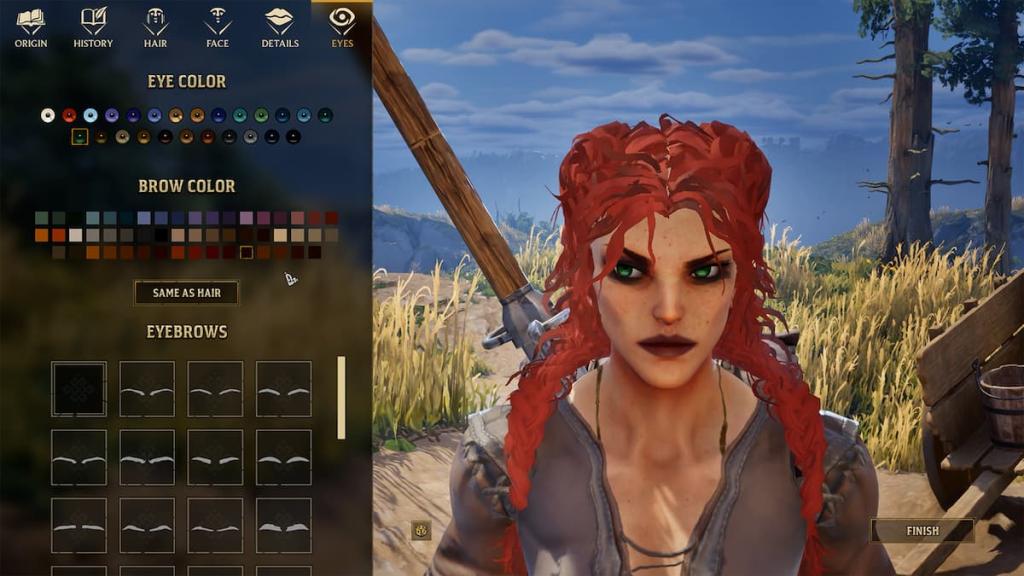
Character creation in Wyldheart is more than sliders and presets. You craft a person you’ll inhabit for a campaign: race choices, fine facial tweaks, and stance. I spent a long minute perfecting a brow I wanted to sulk under for hours.
An overheard tabletop joke reveals what the game tries to do.
Wyldheart runs campaigns split into hexed maps — hundreds of expanses to poke at, each hex hiding an activity or a secret. That structure pushes you toward solo exploration, but it also preserves moments perfect for a four-player party. The world gives you rumors and hints rather than routes; you chase threads the way you chase a story told around a fire, and sometimes you stumble into a bigger arc by accident.
Is Wyldheart like DnD?
Yes, in spirit more than strict mechanics. If you love the session feel of tabletop nights — improvisation, social pacing, small-party drama — Wyldheart mirrors that cadence. Combat and exploration feel videogame-native, but the campaign hosting, character persistence, and the “jump in, jump out” catch-up mechanics are plainly influenced by how groups run D&D campaigns.
In a quiet corner of the demo, I watched how progression works.
Progression exists, but Wayfinder built catch-up systems so a friend can rejoin a campaign without losing relevance. You can run a server-like campaign that stores up to twenty character slots, while active play supports up to four players at once. That lets you keep a shared story alive without the full-time commitment of a traditional MMO.
Can you play Wyldheart solo?
Yes. The game is designed to be played alone or with others. Brännvall described it as a cooperative Elder Scrolls meets your own private-server World of Warcraft, and that translation matters: solo players get the sandbox and narrative beats; groups get social synergy and shared misadventures.
On the show-floor, developers explained how the game’s loop feels.
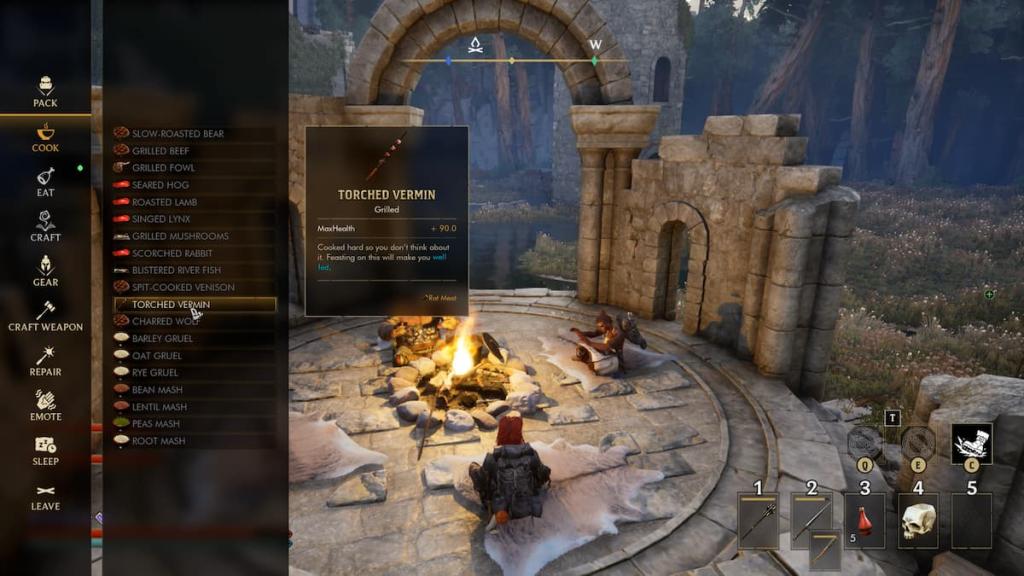
There’s an emphasis on downtime: crafting, cooking, resting, and gossip. Those quieter systems aren’t filler; they create rhythm. You’ll manage resources, improvise gear, and plan routes across hexes that unfold like a map that folds like an old newspaper.
Wayfinder calls the project a “hybrid” — a sandbox RPG with guided narratives. That hybrid aims at players who want the freedom of open worlds but the social efficiency of short campaigns. If you’re the sort of PC co-op gamer who wants meaningful sessions without signing up for a 150-hour slog or an intimidating MMO commitment, Wyldheart sits in that gap.
When will Wyldheart launch?
Wyldheart is heading to PC first in Early Access. The studio plans to keep the Early Access window under a year before broader console releases are targeted. Expect updates and patches while the community shapes the campaign tools — a typical pattern for games that lean on player-run servers and social features.
Standing in the booth, I noticed how the team frames community tools.
Dennis Brännvall and Wayfinder are selling an experience as much as a game. Campaigns behave like private servers: you host a persistent story, invite friends, and rotate players in and out. That approach nods to private-server communities from World of Warcraft history and to session-based tabletop groups, all while keeping progress coherent for returning players.
I’ll be watching how Wyldheart balances structure and discovery. Two things felt clear after playing: it prizes social storytelling, and it trusts players to create the drama. It’s like a campfire that draws you close — warm, communal, and slightly unpredictable.
Whether Wyldheart becomes the go-to pick-up-and-play RPG for friend groups or merely a charming experiment will depend on how Wayfinder scales hosting tools and how much the community shapes campaigns; will you be the kind of player who hosts, or the one who drops by for the story?