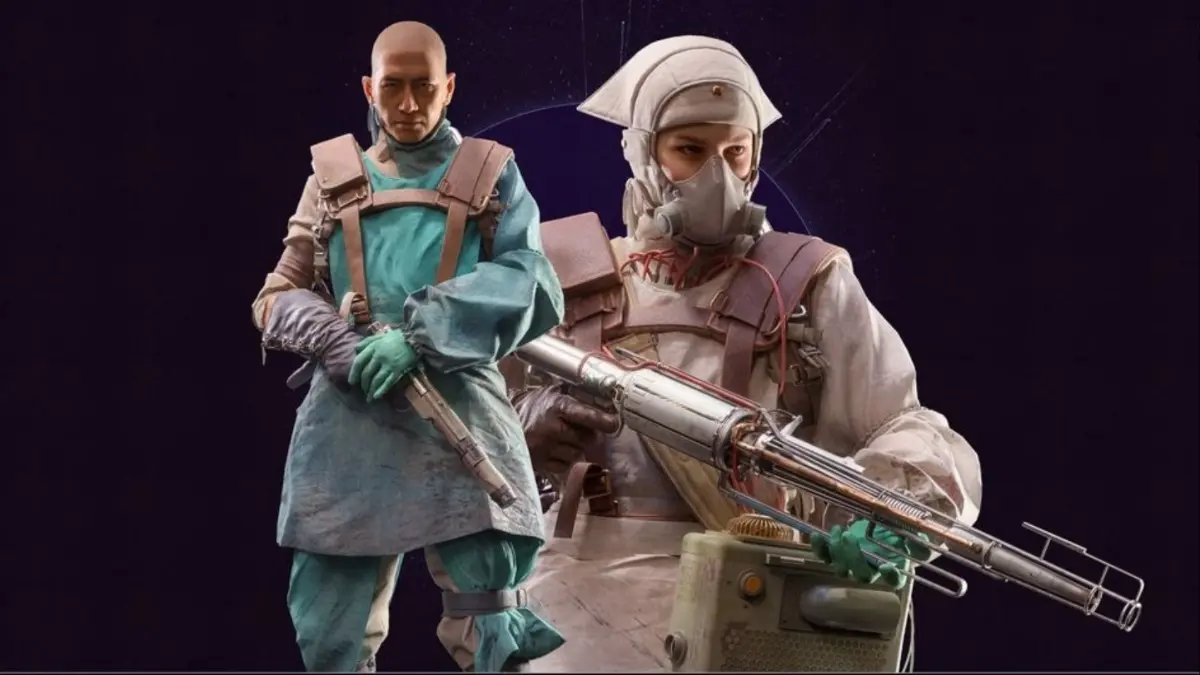
I watched an investor slide loop while you scrolled past another hot take on game AI. The slide laid out the win: a hit shooter built with fewer people and a plan to make AI a constant in every team’s toolkit. For shareholders that reads like promise; for creators it reads like change.
A slide deck landed on my desk — Nexon says AI will sit at the center of its game stacks
I’ve seen these presentations before, and they’re designed to do two things: calm the room and stir up confidence. Nexon’s recent Capital Markets Briefing made that intention obvious. The company — and the studio behind ARC Raiders and The Finals — told investors it will fold an initiative called Mono Lake into every product and team, making decades of operational data available as a single base of intelligence.
You should hear the implied promise: faster build cycles, smaller teams, and lower ongoing costs for live service titles. Junghun Lee, Nexon’s president and CEO, framed it as moving “past the tool level” so context can be applied to everything developers touch. That’s a claim meant to soothe investors and sharpen margins.
A former EA exec pulled the curtain — the message: not tools, but people who use them well
At a glance, Patrick Söderlund’s line landed like a challenge: “Every company has a plan; most will get it wrong.” He argued the race for AI won’t be won by first movers, but by teams that grasp the work. That’s a practical, slightly ominous nudge at competitors.
I agree with his point and push it further: a powerful tool in unskilled hands can create chaos. Söderlund compared game development to auto mechanics — the tools are available to everyone, but only some people know how to use them. That metaphor matters because it reframes AI from magic to craft.
Will AI replace game developers?
Short answer: no — at least not the creative judgment. Junghun Lee said the content players experience “remains the work of our developers.” But that sentence sits beside another claim: the studio’s recent hits were made with significantly fewer people at a fraction of the typical AAA cost. The tension is real. You should ask who gets trimmed when pipelines are rewritten around AI.
A hit game becomes a proof point — and a Trojan horse for a broader mindset
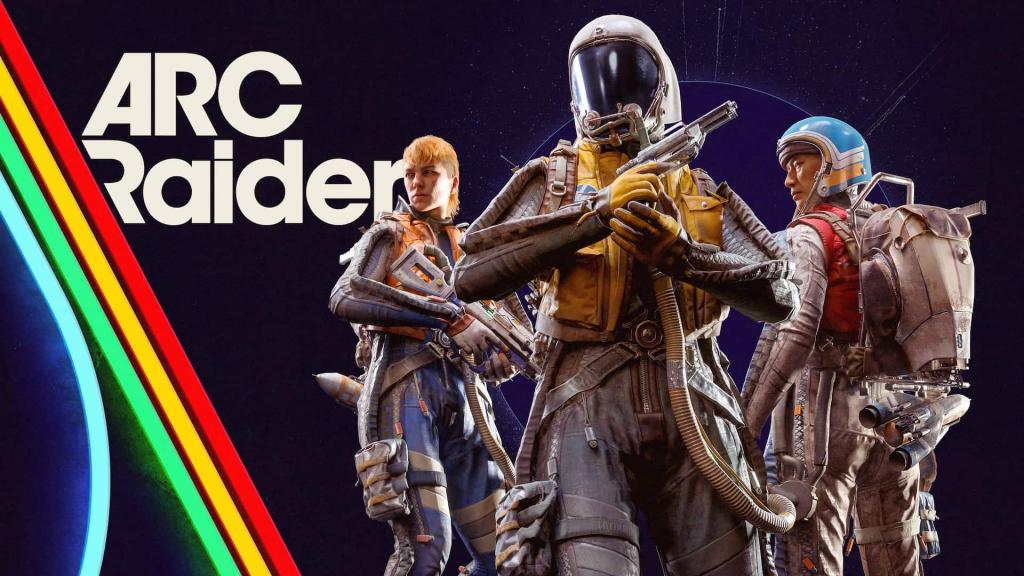
When ARC Raiders found a sizable audience late in 2025, the studio used that success as evidence for a new workflow.
Lee described the title as a “Trojan Horse” — a loaded phrase that signals intent. The game isn’t just revenue; it’s a demonstration that AI-assisted workflows can speed live ops and reduce repetitive work. But remember: calling something a Trojan horse implies concealed change. That both invites excitement and raises questions about what’s being introduced into everyday creative life.
A voice-act controversy showed the risks — public backlash can move faster than planning
Fans noticed AI voices in the game and complained. That reaction is a clear, real-world signal: players care about where creative labor comes from. Junghun Lee insisted the methodology “frees” creators to do more meaningful work, but you shouldn’t let that phrasing gloss over trade-offs.
You can accept automation for repetitive tasks and still demand transparency around attribution, compensation, and quality. Expect legal and union pressures to follow — and expect PR headaches whenever voice actors or artists feel sidelined.
How does Nexon use AI in game development?
The public answer is Mono Lake: an initiative to centralize intelligence across development and live operations. Think of it as a corporate knowledge graph plus tooling that surfaces insights for designers, engineers, and product teams. It’s similar in spirit to internal platforms other large studios and publishers have built, and it echoes ambitions from cloud providers and AI platforms that aim to be the backbone of modern software stacks.
The shareholder angle is blunt — efficiency is the headline investors wanted
The presentation was aimed squarely at people who buy stock. They heard a plan to reduce hours spent on repetitive work, accelerate iteration, and squeeze more revenue from live ops. I can’t blame investors for liking a story where fewer people do more through software; it’s simple and profitable.
But you and I both know the other half of that sentence: fewer people means fewer salaries on the books, which changes developers’ bargaining power and the industry’s talent economics. That shift will ripple through hiring, unions, and smaller studios trying to compete.
Is ARC Raiders made with AI?
Yes and no. The studio used AI tools across build and ops, and it used AI-generated voices in places that drew criticism. At the same time, leaders insist core creative decisions, design, and the player-facing content are still human-crafted. That hybrid answer will be the default talking point for many studios trying to hold player trust while cutting costs.
I’ll leave you with this: if tools are the wrench, the craftspeople remain the ones who tighten the bolts — but who sets the torque now that machines are in the toolbox?