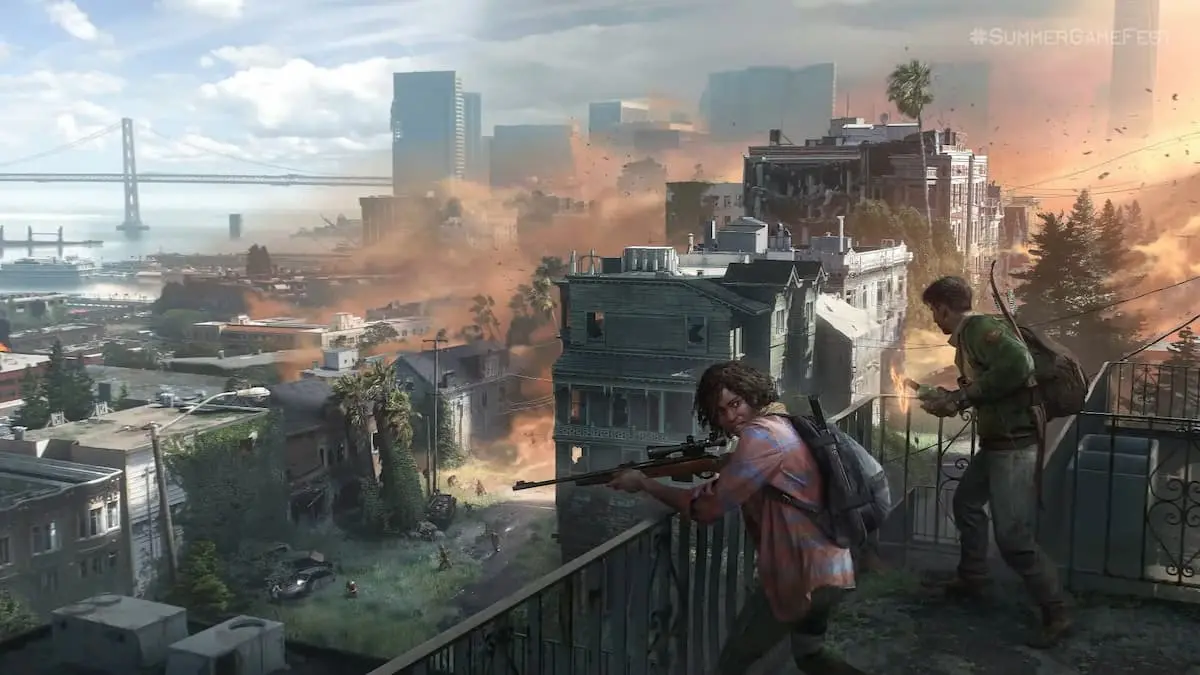
I remember the Slack thread at 2 a.m.—a screenshot, a terse message, then silence. I heard Vinit Argawal say the words “soul‑crushing” and felt the room tilt. You can’t un-hear a studio choosing between two futures.
I’ve been following Naughty Dog since the PS3 days, and I want to take you behind the decision that killed The Last of Us Online. Read this as a director’s confession and a postmortem you can bring into your next studio meeting.
A flooded office whiteboard full of feature lists—what that looked like
Vinit Argawal spent roughly seven years steering Naughty Dog’s standalone multiplayer. He told the Lance E. Lee Podcast from Tokyo that the project reached nearly 80 percent completion before the plug was pulled. You can feel the math: a team months from ship facing a corporate re-evaluation.
Why was The Last of Us multiplayer canceled?
Argawal framed it plainly: money flowed in during the pandemic because people could only play online; publishers and Sony poured funding into live services. When offices reopened and economic forecasts shifted, that funding evaporated and priorities narrowed to single‑player franchises—the studio’s “bread and butter.”
A conference room scattered with blurred budgets—how funding reshaped the plan
Sony and many publishers ramped investment into online games during COVID‑19 as player engagement spiked. That surge was not permanent, and when spending tightened, studios faced brutal choices. Naughty Dog decided to protect its narrative lineage, led by Neil Druckmann, over converting into a sustained live‑service operation.
Was The Last of Us Online nearly finished?
According to Argawal, internally the game “was doing really, really well.” He described it as “almost to 80 percent completion.” That’s a rare and painful place to be: like a house of cards, one external shift can collapse months of momentum.
A hallway of exhausted designers—what the human cost looked like
The pandemic rewired how teams worked. Argawal said the boom created lofty expectations; then budgets contracted and studios had to “collapse the spending.” That sentence carries people as much as spreadsheets—developers whose careers were tied to a long‑running vision.
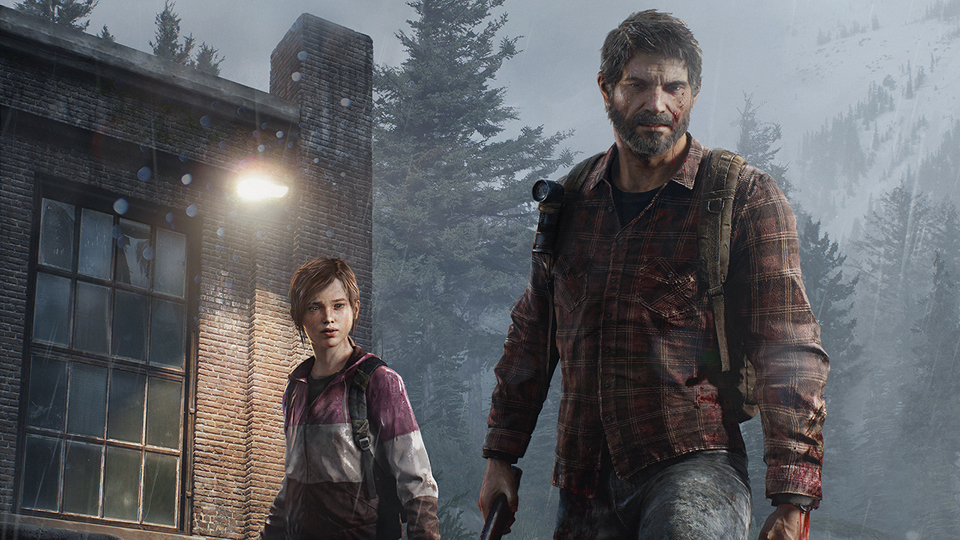
I’ve played the original Factions on PS3 and PS4; its mix of stealth, gunplay, and crafting still surprises me. When a team tries to take that same spark into a live game, you’re balancing post‑launch support, community tools, and long‑term monetization against creative goals.
A group photo at the studio holiday party—what the choice revealed
Naughty Dog’s December 2023 explanation was blunt: to support The Last of Us Online would have required diverting all studio resources to sustained post‑launch work, including live ops content for years. The alternative was to keep making the cinematic, single‑player games that define the studio.
Will The Last of Us: Part 3 include multiplayer?
Argawal and Naughty Dog didn’t rule out multiplayer for future single‑player sequels. The safer bet, given the studio’s trajectory and Neil Druckmann’s leadership of other projects, is that multiplayer concepts could return folded into a single‑player experience rather than as a separate live service.
An empty lobby where players used to queue—what fans lose and what they gain
Fans lose a dedicated online continuation of the world and the promise of a living, evolving Factions successor. On the flip side, preserving single‑player resources keeps narrative ambitions intact; that’s what earned Naughty Dog its status with titles on PlayStation platforms.
Vinit Argawal’s candor matters because it exposes a wider industry truth: pandemic-era capital recalibrated expectations, and some projects were casualties. You can empathize with a director who watched his team’s work become collateral.
There are lessons for studios and players: when funding surges, plan for the fall; when you build a live game, count the years of aftercare. I want you to remember how specific mechanics—TLOU’s crafting, its gunplay—made the old Factions sing, because those mechanics are what fans will miss most.
Do you think studios should keep at least one team dedicated to live services to avoid this kind of abrupt cancellation?