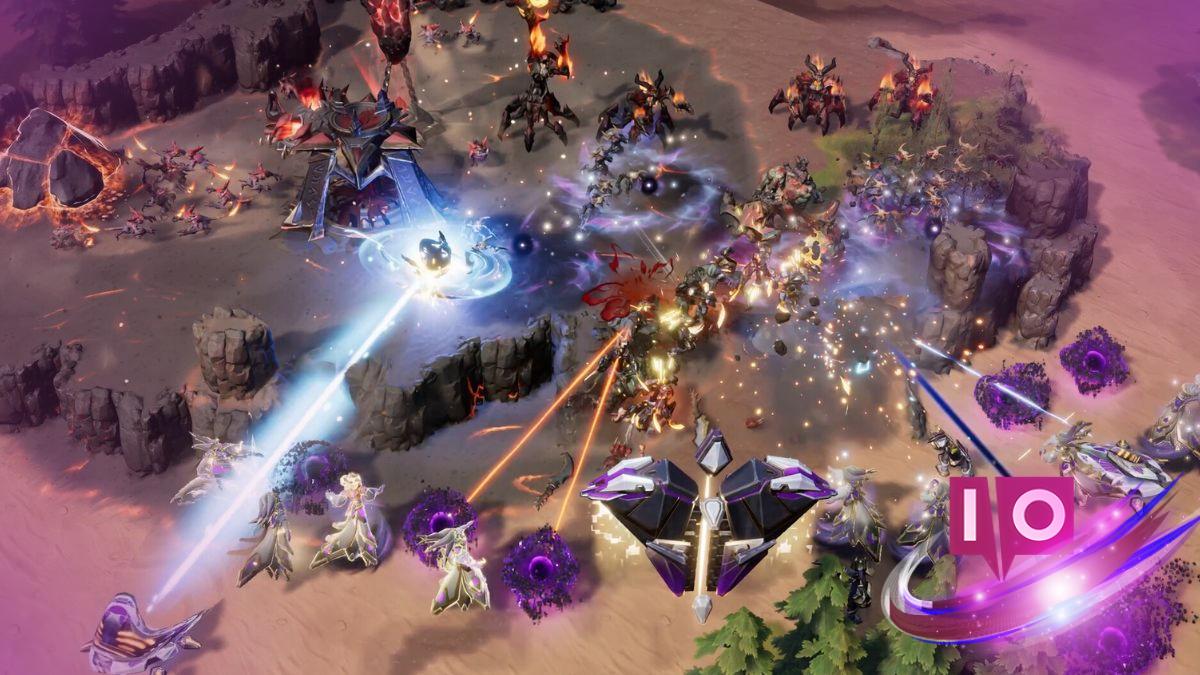
Mid-match, the screen froze and the lobby vanished. I watched players drop out as a terse Discord note rolled through the community: Hathora, the server host, had been bought by an unnamed AI company and was shutting down gaming access. You felt the room tilt—this wasn’t a bug; it was a business decision that hit play.
A Discord post at 03:12 pulled the rug — How Stormgate lost its online features
I follow dev channels for emergencies, and Frost Giant’s message was the kind you don’t want to see: Hathora’s new owners are “winding down their service at the end of April,” which will render Stormgate temporarily offline. The team promised an offline mode and said they “hope to restore online play in a future patch,” but that hinges on finding a partner to host multiplayer.
Why did Stormgate lose online features?
Short answer: the company providing the matchmaking and server sessions changed hands. Hathora’s acquisition by an entity the devs only describe as an “AI company” puts those servers out of reach for gaming. Frost Giant can patch a single-player mode, but cloud sockets and matchmaking require third-party infrastructure and contracts that move faster than patches.
Servers are being repurposed on corporate spreadsheets — What the buyout means for multiplayer games
This isn’t an isolated swap of domain names—servers are being bought and re-tasked to feed large AI models. You should care because those machines don’t just host games; they host communities, tournaments, and livelihoods.
Hathora’s sale is a signal. Companies chasing massive compute often pay premiums to acquire existing capacity, and game services get edged out. The move turns shared infrastructure into a business asset instead of community infrastructure. Frost Giant’s hosting vanished overnight, leaving an RTS that once rode Kickstarter hype with under 100 daily players struggling to keep its lights on.
Are AI companies buying game servers?
Yes, and at scale. Firms training or serving large language and image models need dense GPU capacity and steady data-center contracts. That demand pressures providers and can lead to repurposing or selling smaller specialized hosts. The result: games built on niche providers can find themselves without a home, while giants like AWS, Microsoft Azure, and Google Cloud bulk up their offerings for enterprise AI workloads.
A devs’ contingency plan appeared on Discord — What Frost Giant can and can’t do next
Frost Giant shipped an offline build quickly, and that tells you something about their priorities: keep players engaged even if matchmade multiplayer breaks. It’s a pragmatic move that spares the community total abandonment.
I’m skeptical Stormgate returns to its previous online form. The RTS landscape has changed—MOBA-style and live-service strategy titles siphoned off players, while single-player grand strategies from Paradox and Creative Assembly carved their own lanes. Games with under 100 daily active users face a steeper climb when their infrastructure evaporates.
The company quoted on Discord: “We hope to restore online play in a future patch, but this work will be dependent on Frost Giant finding a partner to support ongoing operations.” That’s honest, and it’s the blunt truth many indie studios now live under: infrastructure is as important as code.
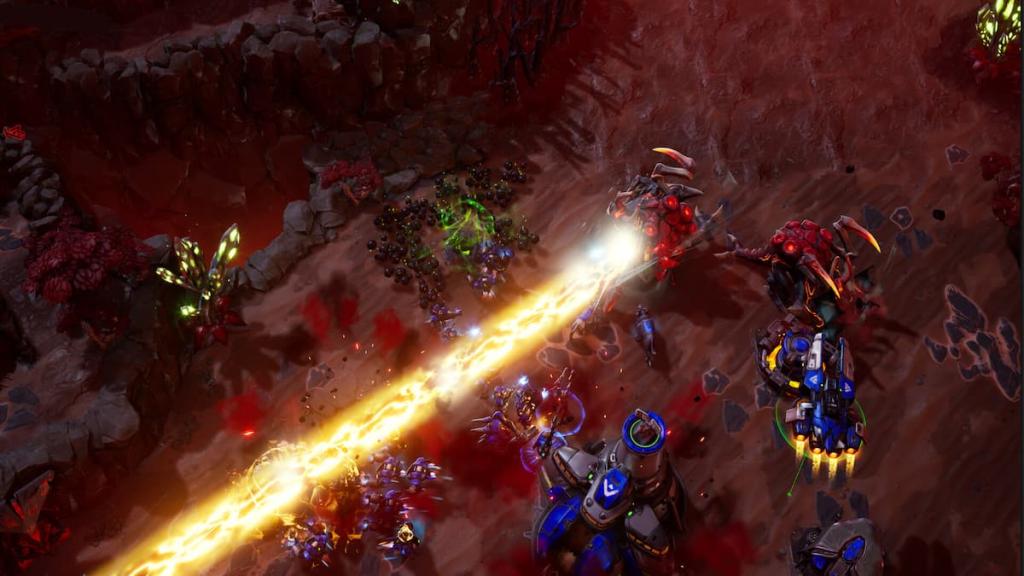
I’ll say this plainly: you and I are watching an industry shift where compute capacity acts as a gatekeeper. Some companies treat those servers as a silent landlord, closing tenant access overnight. For the games that survive, finding a new host, rewriting network layers, and restoring matchmaking is an expensive, time-consuming climb.
There are trade-offs: indie studios avoid hyperscalers but rely on niche hosts; major clouds scale but cost more and lock you to service-level terms. Ubisoft and larger publishers can weather that storm; small teams can’t always. Frost Giant’s move to an offline mode is responsible, and it’s a small act of care against an industry trend that can feel like a tinderbox.
If you follow competitive RTS, or run a small studio, this should change how you plan infrastructure: contract terms, fallback hosting, and community-facing offline options need attention before the other shoe drops. Will game makers start building multi-host redundancy as a standard, or will AI demand keep shrinking the pool of game-friendly hosts?