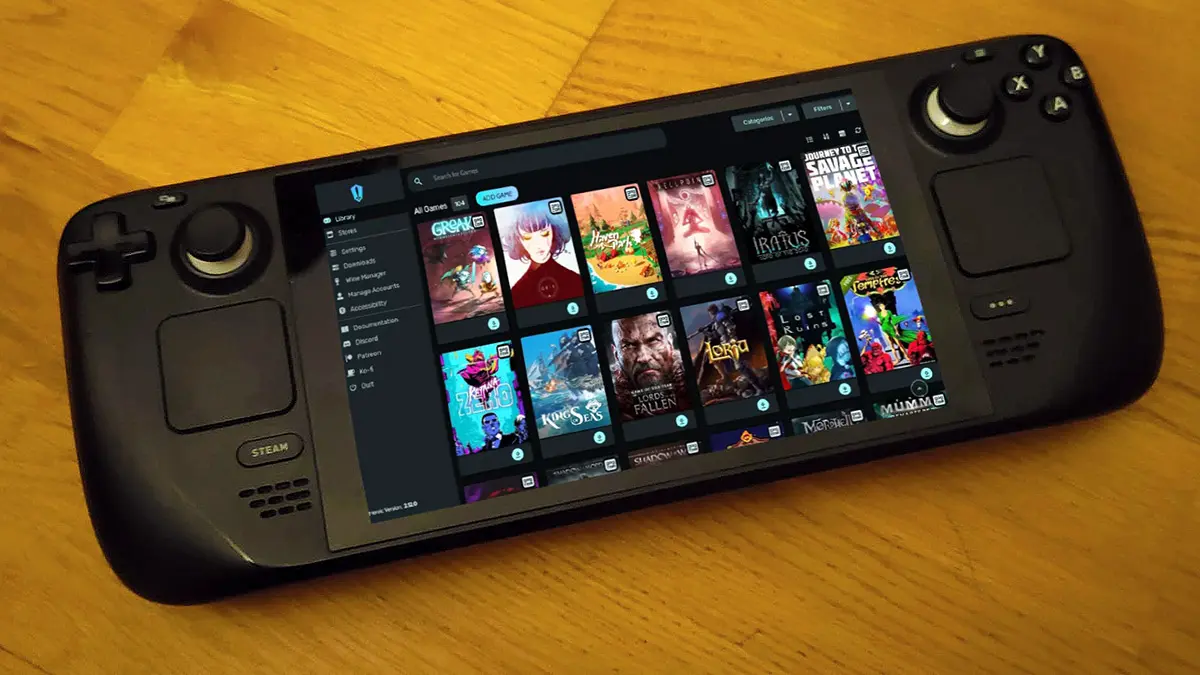
I was holding a first-gen Steam Deck when the notification pinged: TechPowerUp had a rumor that Valve wants a successor by 2028. You felt the same flicker—hope mixed with the memory of supply-chain hell that late shipments left. I sat back, thinking about what changing one core decision could mean for every problem the original faced.
I’m not here to sell optimism. You know the constraints: semi-custom silicon takes time, partners take months to align, and chips gone out of date leave great hardware feeling small. I follow Valve, AMD, SteamOS, and industry trackers like TechPowerUp and Moyens I/O so you don’t have to. Read on and I’ll walk you through what matters, what’s believable, and why this one design choice could tilt the odds.
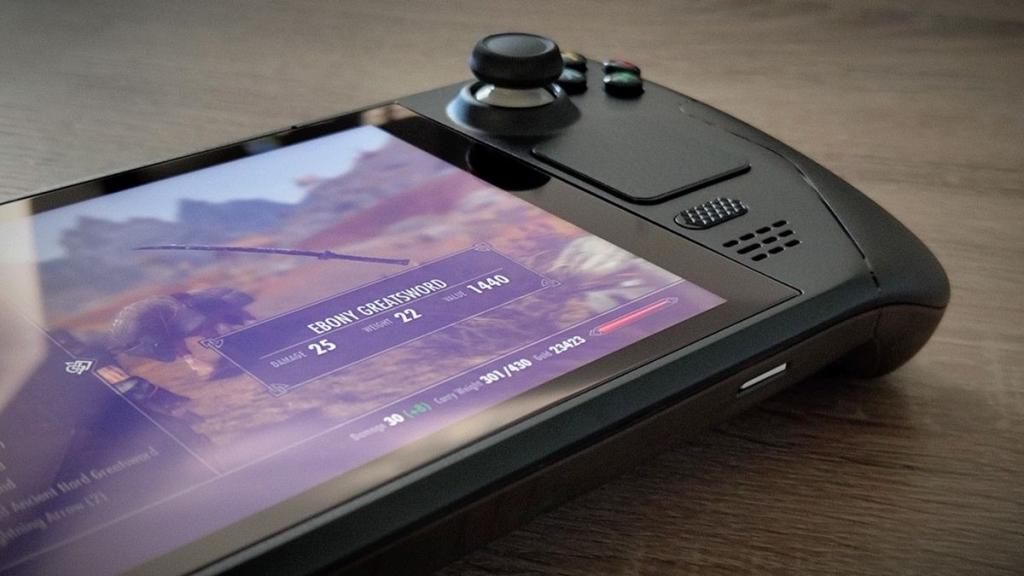
At a trade show booth I watched a line of people test handhelds — and they compared specs out loud.
That moment explains Valve’s dilemma. The original Steam Deck’s semi-custom AMD APU made sense in 2021: tailored performance, thermal targets, and a clear integration path with SteamOS. But the semiconductor landscape moved like a fast train, leaving that custom chip at a standstill. TechPowerUp’s reporting suggests Valve is considering ditching the semi-custom route and instead building the Deck 2 around off-the-shelf AMD silicon and shaping the OS to fit.
This is a pragmatic shift. Semi-custom designs are expensive and slow; off-the-shelf parts let Valve chase newer CPUs and GPUs on the cadence that AMD, Intel, or Arm deliver. If you want fresh silicon without two years of custom twiddling, this is how you get it.
When will the Steam Deck 2 be released?
TechPowerUp names 2028 as the target year. That timeline feels conservative for a company that learned painful lessons from global shortages. You should read that as realistic planning, not marketing bravado: Valve appears to give itself time to avoid the same inventory hangups that delayed the Steam Machine and other efforts.
On my desk I watched thermals climb while a game pushed the Deck to its limits.
Thermals and battery life drove many of Valve’s original trade-offs. Using off-the-shelf AMD silicon doesn’t erase those challenges, but it changes the levers Valve can pull. Modern APUs often offer configurable TDP windows and power profiles that can be tuned in software. That means Valve can design the deck around widely available chips and tune performance per model in the OS, rather than waiting months for a bespoke part.
Think of it like a watchmaker swapping gears instead of ordering a custom movement: you can upgrade more often and fix problems faster.
Will the Steam Deck 2 use a custom AMD APU?
Reports say no. Valve is reportedly moving away from a semi-custom AMD APU toward off-the-shelf AMD silicon. That does two things: shrinks lead times and avoids tying Valve to a single, slow refresh cycle. It also makes logistics simpler when memory or specific components are scarce.
At a coffee shop I overheard two players debating whether consoles age faster than handhelds.
They were right to worry. Consoles with semi-custom internals often feel dated after several years because their chips can’t be updated. By embracing standard parts, Valve reduces that risk. That has ripple effects for SteamOS and Linux gaming: a refreshed, modular hardware base attracts developers and keeps Proton compatibility evolving alongside modern GPUs and drivers.
For Linux fans, a Steam Deck 2 built on current AMD silicon is a strong signal that Valve wants an active ecosystem — not a one-time hardware stunt.
In a developer chat I heard a team ask: how fast can we certify drivers if the hardware changes more often?
That question goes to the heart of the trade-offs. Faster hardware cycles mean more driver work, but also more opportunity for performance gains and features. Valve can lean on partnerships with AMD and the open-source community to smooth that path. You should watch Valve’s SteamOS updates and Proton releases; they’ll tell you whether the company is keeping pace.
Switching gears like this also reshapes competition. Nintendo keeps iterating its Switch line with its own SoCs, while Sony and Microsoft target full consoles. A Deck 2 that uses readily available AMD chips could slot between the Switch and a full-sized console, giving you something closer to a portable PC than a closed console. It’s a strategic bet that might pay off if Valve moves faster than supply chain friction can catch up.
I’m cautiously optimistic. Valve learned from the first run: manufacturing hiccups, component shortages, and the cost of bespoke silicon. If they truly aim for a 2028 launch with standard AMD silicon, the Deck 2 could be faster to market and more upgrade-friendly — provided Valve keeps SteamOS and Proton active partners in the effort.
Will that be enough to shift console loyalties and push Linux gaming forward, or will it merely be a safer, slower repeat of the past?