
I was scrolling LinkedIn when the message landed: a terse note from the man who ran Take-Two’s AI lab. You felt the tilt—an experiment gone public, then gone silent. The company that once cheered generative tools just cut the lights on its AI team.
At 11:47 PM, a LinkedIn post landed — The public unthreading of Take-Two’s AI experiment
I read Lucke Dicken’s post and felt the weight of the moment. He wrote, “It’s truly disappointing that I have to share with you that my time with T2—and that of my team—has come to an end.” You don’t need a press release to see the signal: procedural content engineers, machine learning specialists and other AI-adjacent staff were dismissed.
The disclosure came through Dexerto and other outlets, but the raw source was that LinkedIn post. When your head of AI goes public with the news, it feels less like reorganization and more like a house of cards collapsing.
On a developer desk, a GTA test build keeps running — What the cuts actually hit
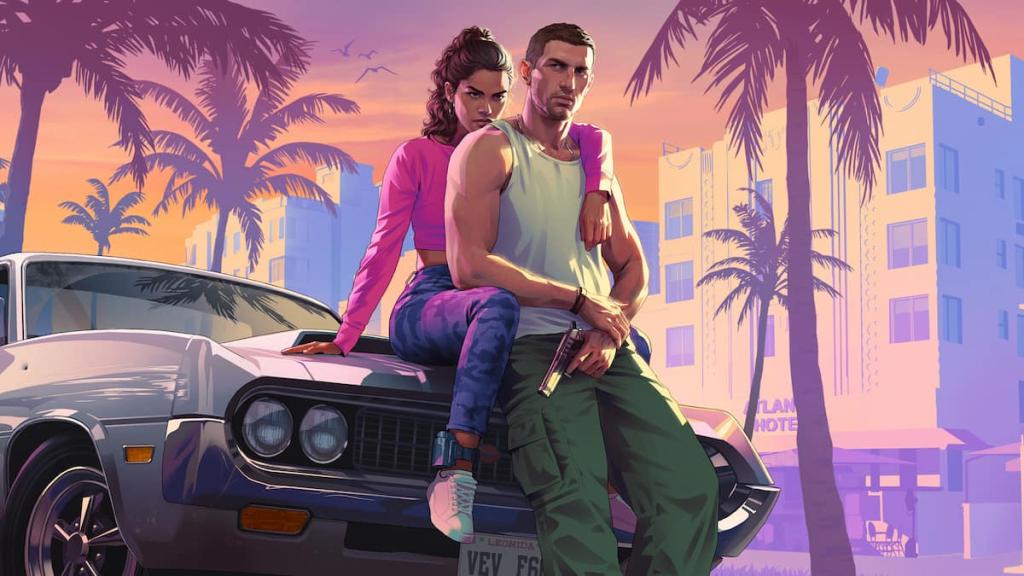
You know Rockstar and the Grand Theft Auto franchise are the crown jewels; Take-Two owns them. Still, the layoffs appear targeted at teams labeled “procedural content for games” and core machine learning work. That suggests the change hits tooling, automation, and long-range research more than day-to-day level design.
Strauss Zelnick had been vocal about generative AI’s promise to “reduce costs” and boost efficiency. Now the math on running a dedicated AI division—specialized engineers, cloud compute, licensing for models and GPUs from partners like NVIDIA—looks less persuasive on paper and in quarterly meetings.
Why did Take-Two lay off its AI team?
The short answer is cost and calculus. You can trace it to three pressures: expensive talent, growing compute bills, and legal/operational risk around new models. I’ve seen studios retire internal tools when the burn rate outstrips demonstrable gains. Public enthusiasm meets private spreadsheets, and the spreadsheet usually wins.
At the company town hall, someone mentions strategy — The tug between promise and practicality
I sat through enough town halls to know how this plays out. A CEO praises a technology on stage, but the CFO looks at the cloud bill the next day. Zelnick’s support for generative systems was explicit, but support on a conference call is different from underwriting perpetual R&D.
AI teams can become black boxes of cost and liability: model licensing, data concerns, and intense iteration cycles. You add partnerships with OpenAI or other model providers, and the bill can feel like a misfiring engine—loud, expensive, and unreliable when you most need it to run smoothly.
Will Rockstar and GTA 6 be impacted?
Short-term game development rarely collapses because an internal research group is disbanded. Rockstar’s core teams will keep building. But the gap matters if Take-Two planned to bake generative systems into tooling for world-building, NPCs, or QA. Those features now need external vendors, slower timelines, or simpler implementations.
At a café, devs swap stories — What this means for AI in games and for talent
I talked to people who worked around these teams. For them, layoffs aren’t abstract: it’s about careers and the fragile signal of “AI equals efficiency.” Developers will migrate to places where models are production-tested—Unity’s ecosystem, Unreal workflows with third-party plugins, or studios partnering with cloud providers.
The broader industry will watch this as a cautionary tale. Some studios will double down on bought tools from Microsoft, Google Cloud, or specialized vendors; others will slow experimentation. For those betting on generative assistants to speed content pipelines, the path just got more expensive and politically fraught.
What does this mean for AI talent and startups?
Expect a pulse in the market. Engineers from Take-Two’s group will be attractive to startups and service firms that stitch AI into pipelines for many studios. Investors are getting picky; they want clear, monetizable use cases rather than exploratory labs. You’ll see hiring shifts toward integration roles—people who can make models work with Unity, Unreal, and existing asset pipelines.
Take-Two’s move is a signal: corporate affection for AI can be public and passionate, but corporate budgets are private and pragmatic. I’ve spent years watching technology cycles; some bursts are durable, others are corrective. Where do you place this one—course correction or the start of a wider pullback?
I’ll keep watching the vendor deals, hires, and patent filings—because that’s where the quiet signal lives. Are you ready to bet on studios building AI in-house, or will most outsource the work to cloud and middleware partners?