I sat in the dark while the projector rattled through a 90-minute nightmare. You could feel the audience leaning forward, counting breaths between set pieces. When the lights came up, the room was talking — fast, loud, impressed.
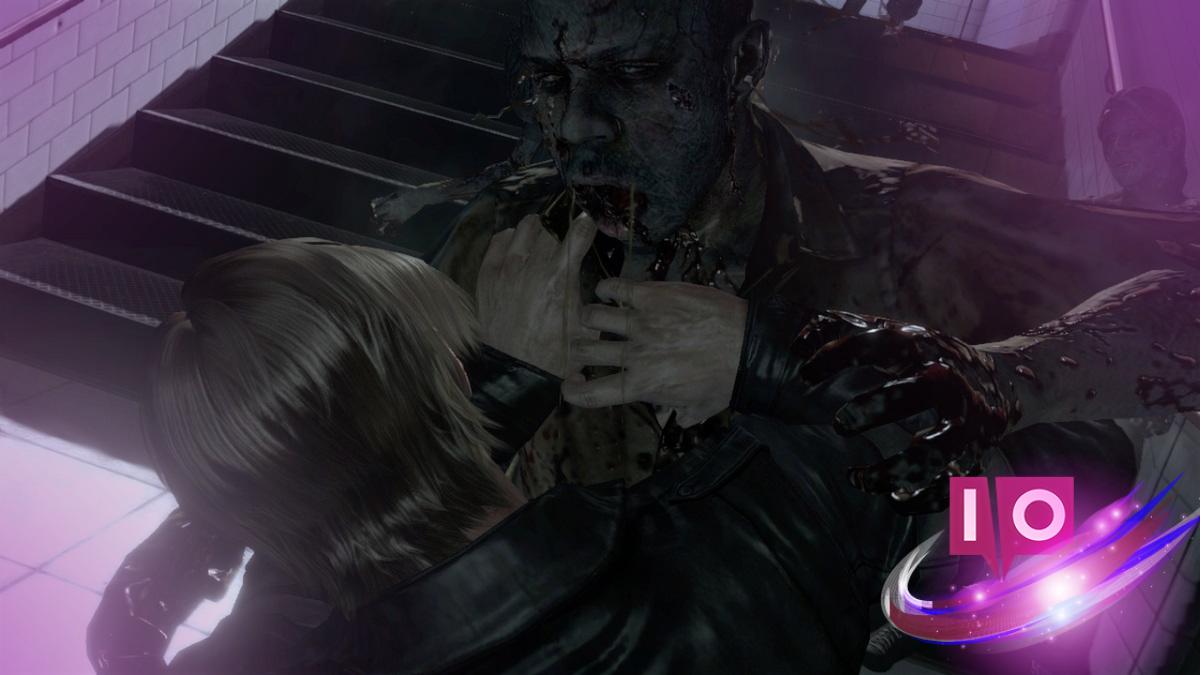
I’m invested in this reboot because I love Resident Evil, and because Zach Cregger’s last two films showed he understands how to balance dread and dark humor. That worry I had about him joining an established property has softened: a recent test screening, reported by World of Reel, describes a taut, 90-minute rush — a horror version of Fury Road — that leans on practical effects and tight pacing. The film reportedly treats the lead like a player avatar, shuttling you from one nightmare to the next, and keeps the focus narrow rather than sprawling across franchise lore.

At a packed theater people compared scenes to a high-energy action sprint
The test screening’s buzz centered on motion: the movie reportedly prioritizes momentum over exposition, swapping long backstory beats for sequence-after-sequence of escalating set pieces. I appreciate that choice: sometimes the most effective horror is an all-out run, like a sprint through a haunted house, where you don’t have time to overthink what’s coming next.
Is Zach Cregger’s Resident Evil faithful to the games?
Short answer: sources say yes. Cregger has repeatedly called himself “the biggest worshiper of the games,” and attendees reported the film respects the rules of the source material while not shoehorning in classic characters such as Leon or Jill. Capcom’s IP is being treated as a playground for game-faithful set pieces and creatures, not a retelling of existing story arcs.
In the immediate aftermath, conversations praised the practical effects and framing
Observers noted how often monsters appear, and how much of the horror is physical — prosthetics, makeup, and tangible creature work — rather than relying on CGI spectacle. That practical-first approach gives the movie a tactile grit, a grain you can almost feel in your teeth. The report calls the scope “small and contained,” which in this case reads as deliberate control rather than limitation.
What makes this reboot different from previous Resident Evil films?
Past adaptations took wildly different roads — some leaned into camp, others into franchise mythology. Cregger’s take, according to early reactions, is narrower: fewer characters, less world-building, and more cinematic framing. If the report is accurate, the film functions like a scalpel more than a sledgehammer, refining terror into tight, memorable moments instead of sprawling lore dumps.
At the popcorn line people asked about cast and awards buzz
The reboot keeps the cast compact. Amy Madigan — fresh off praise and an Academy Award nod for her turn in Weapons — and Austin Abrams, who impressed in his lead work, are attached. That mix of veteran presence and rising talent helps sell the idea that Cregger wanted actors who can ground extreme scenarios.
When does the new Resident Evil hit theaters?
The movie is scheduled to open in theaters on Sept. 18. Coverage so far has come from outlets like World of Reel and trade trackers on IMDb, which is where release dates and casting confirmations typically firm up as studios move from testing to wide release.
I’m still cautious — test screenings can be misleading — but the combination of game-aware design, practical effects, and Cregger’s craft has shifted my expectations in a meaningful way. If Capcom and the filmmakers keep this spine-forward approach, the movie could reset what audiences expect from an adaptation of a survival-horror franchise. Do you think a compact, player-avatar-style lead is the right move for bringing the games’ tension back to theaters?