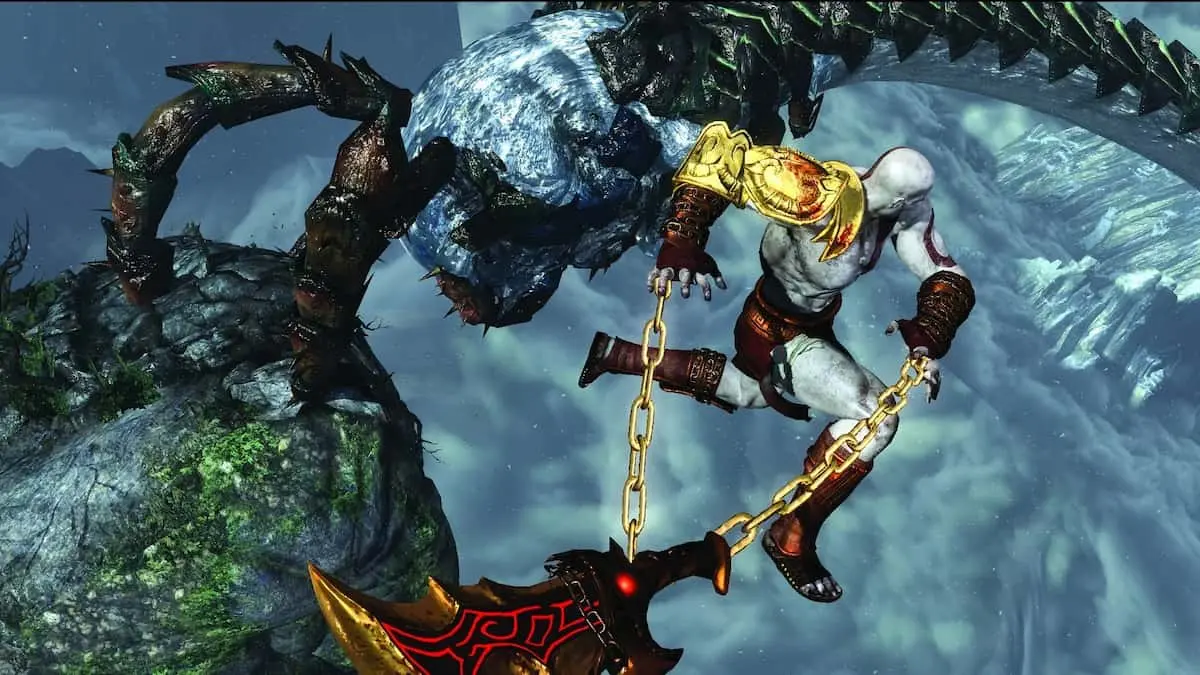
I was in the room when TC Carson laughed and said, “I think so.” The sound in that hall snapped like a camera shutter—half confirmation, half dare. If you felt a jolt, you’re not alone.
I’ve followed voice actors, studio panels, and controversy arcs long enough to tell you when a throwaway line becomes a story. You want to know whether the God of War remakes will keep the franchise’s more adult flourishes. I’m going to walk you through what was said, what it means, and why you should care.
At MegaCon, the crowd laughed — What Carson actually said and why it matters
At a recent convention panel, TC Carson — the original voice of Kratos and confirmed to be returning for the remakes — joked his way into headlines. You’ve probably seen the IGN TikTok clip where he chuckles and tells fans, “I think so,” when asked about the return of the so-called intimate mini-games.
That tiny moment is a pressure valve. It signals that the team isn’t reflexively scrubbing every edgy beat from the originals. Santa Monica Studio is remaking the first three games from the ground up for PlayStation, and every blink in a panel can tell you something about intent, tone, and where the line will be drawn.
In the loud pulse of a crowd, small words carry studio intent — How remakes handle legacy content
At a fan panel you can read more than lines; you read tone and relationships. TC Carson returning is an authority cue: Santa Monica Studio chose continuity in voice, which often signals a broader respect for the source material.
Now ask yourself what that respect looks like. Will the studio port scenes wholesale, trim them, or reframe them? I expect edits that preserve character beats while matching modern sensibilities. Think of the original sequences as a relic you find in an attic—like finding a faded postcard in a war jacket: you don’t discard it, but you decide how to display it.
Will the intimate romance minigames return in the God of War remakes?
Short answer: maybe. Carson’s “I think so” isn’t a production memo, but it’s a nudge from someone inside the narrative circle. IGN’s clip on TikTok and reaction threads on YouTube and Moyens I/O show fans parsing tone as if it were a press release. Platforms like PlayStation’s State of Play handle announcements precisely because a wink from an actor matters to perception.
At the edge of gameplay, culture and commerce collide — Why fans argue for or against the scenes
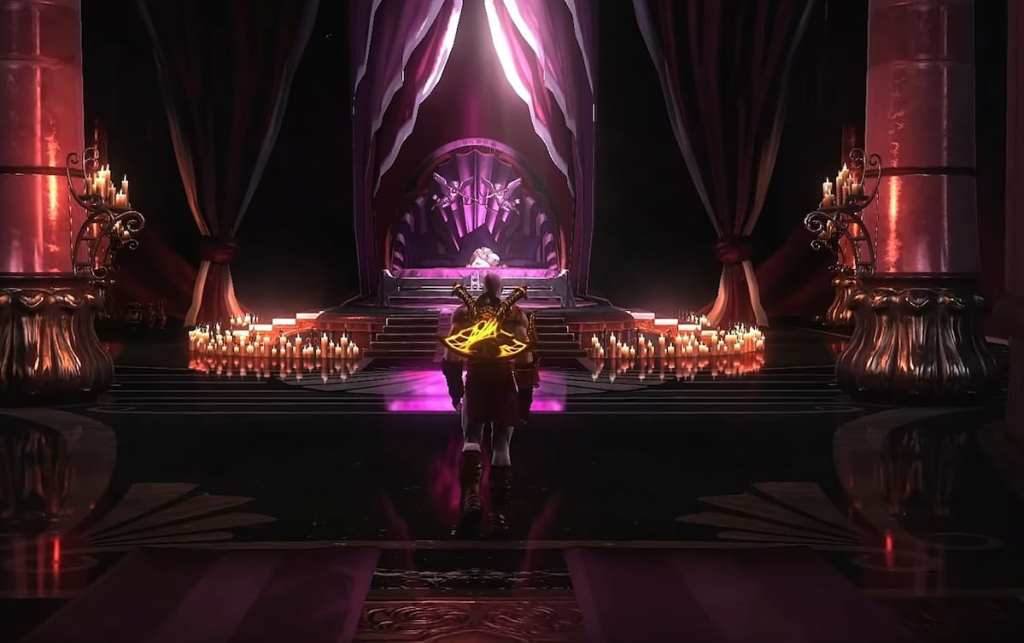
At gaming forums and comment threads, the debate gets loud: preservation versus modernization. You’ve seen the viral clips — Kratos in Aphrodite’s chambers, QTE prompts, and amplified sound design. Those moments were intentionally provocative; they sold mythic flavor and controversy in equal measure.
Some players want faithfulness: each scene is a piece of the original narrative cadence. Others want a fresh approach that won’t read awkwardly in 2026. I’m with fans who want fidelity without tone-deafness. The studio has to balance artistic intent, ratings boards, and the PlayStation brand’s broader audience.
Why were the sex mini-games controversial?
They were explicit in tone and delivered with a wink. The Aphrodite sequence pushed boundaries with off-screen implication, QTE mechanics, and audience cues that flirted with near-pornographic presentation. For some viewers that felt like playful mythic fidelity; for others, gratuitous and out of step with modern expectations.
At the design desk, choices will be technical and ethical — What likely stays and what could change
At Santa Monica Studio, developers will juggle remastering, re-recording, and age ratings. You should expect a few outcomes: preserved beats with toned presentation, recontextualized scenes that use implication over spectacle, or optional content toggles for players who want fidelity or restraint.
Voice work remains a powerful tool. Carson’s presence increases the odds of keeping Kratos’ voice-driven moments intact. Platforms and brands matter here: PlayStation wants a product that passes ratings while keeping the franchise’s edge. That’s a design problem that’s equal parts art and policy.
I don’t think the studio will erase every controversial scene; instead, they’ll hedge. The original’s intent stays, but the delivery may be smoothed. The goal is to preserve story rhythm without alienating new players or PlayStation’s broader audience.
My call to you: watch the official State of Play slots, follow Santa Monica Studio’s updates, and track sites like IGN, Moyens I/O, and YouTube clips for early footage. If you want fidelity, make noise. If you worry about tone, say so. Actors, studios, and platforms respond to attention and risk.
Whatever happens, the remakes will be a test of how a franchise balances legacy and modern standards — like a wink from Olympus that asks whether myth can still flirt without losing its bite. Will you defend the originals, demand changes, or push for a middle path?