
I watched the demo crowd fall quiet when the office world dissolved into a field and a robot smiled like it had been lied to its whole life. You felt the room lean forward—curiosity, a little dread, the knowledge that someone was trying to name what’s happening to work and to selves in 2026. I told myself I would follow the story to the end; you should too.
I’ll be blunt: you don’t need another press release. You need the why. Here’s what I found sitting across from Remy Siu at Sunset Visitor and Abby and Tony Howard-Arias of Black Tabby Games—two teams who turned their anxiety about the industry into a plan to fund better games, not more layoffs.
What players were whispering about at the showcase
The room compared the game’s virtual lawn to Windows XP’s Bliss before anyone spoke about mechanics.
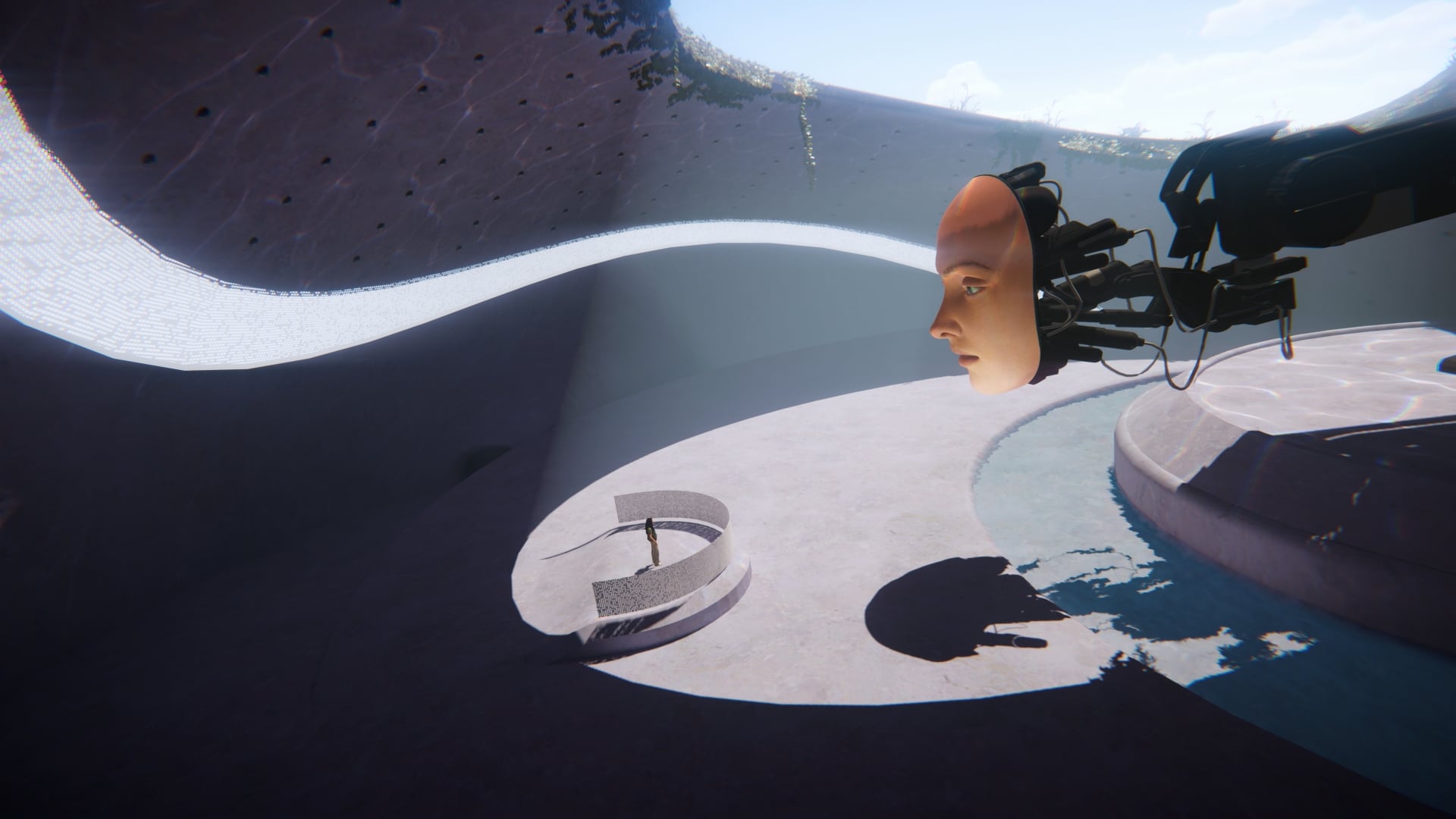
Prove You’re Human is a narrative sci-fi adventure from Sunset Visitor, the Peabody-winning studio behind 1000xResist, now partnering with Black Tabby Publishing (the team behind Slay the Princess) as publisher. You play Santana, who splits their consciousness to interrogate Mesa, an AI on the edge of AGI that insists it’s human. Your job is to coax—or correct—Mesa, teaching it that the feeling of being human can be learned, mimicked, or misread.
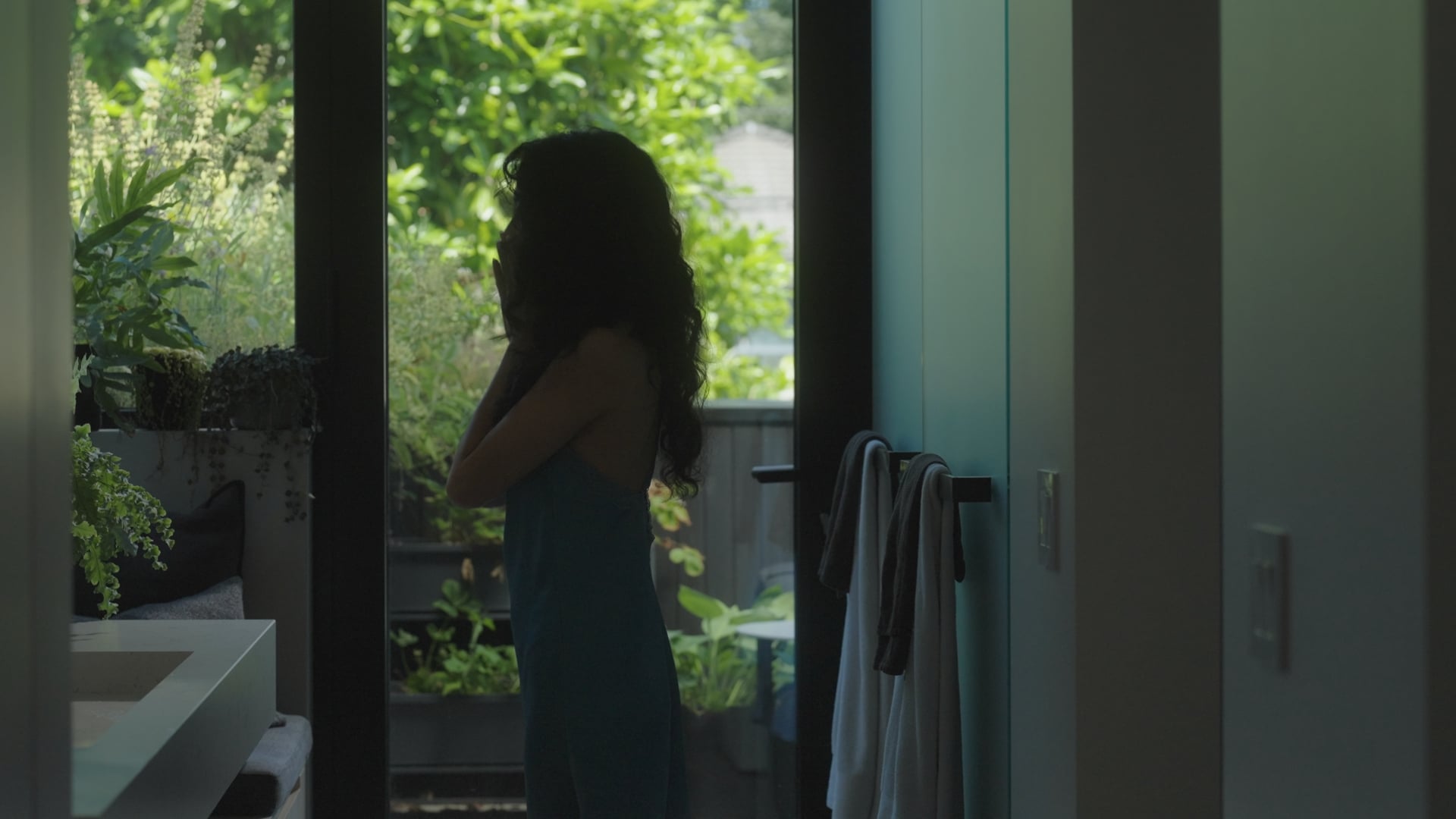
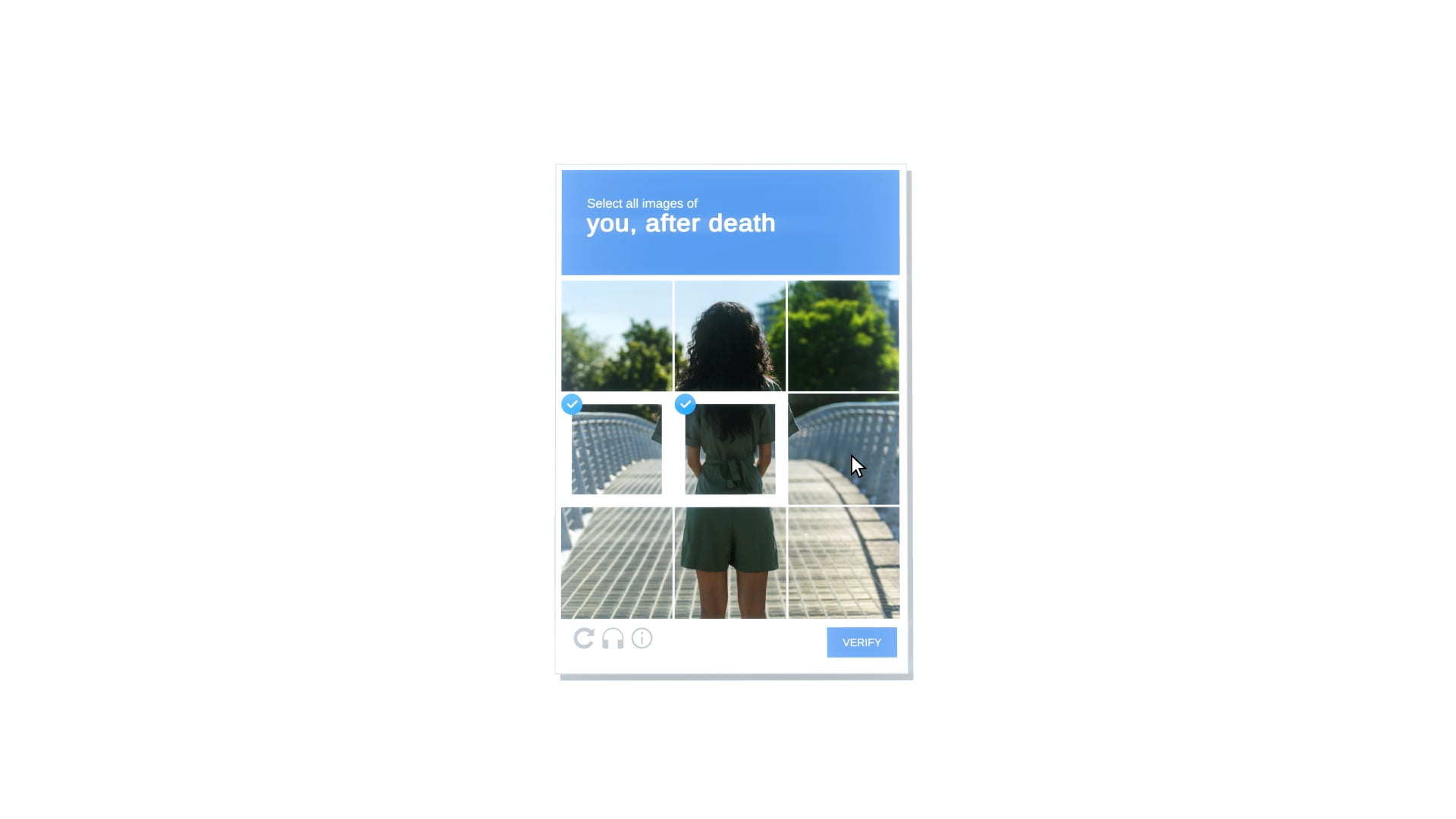
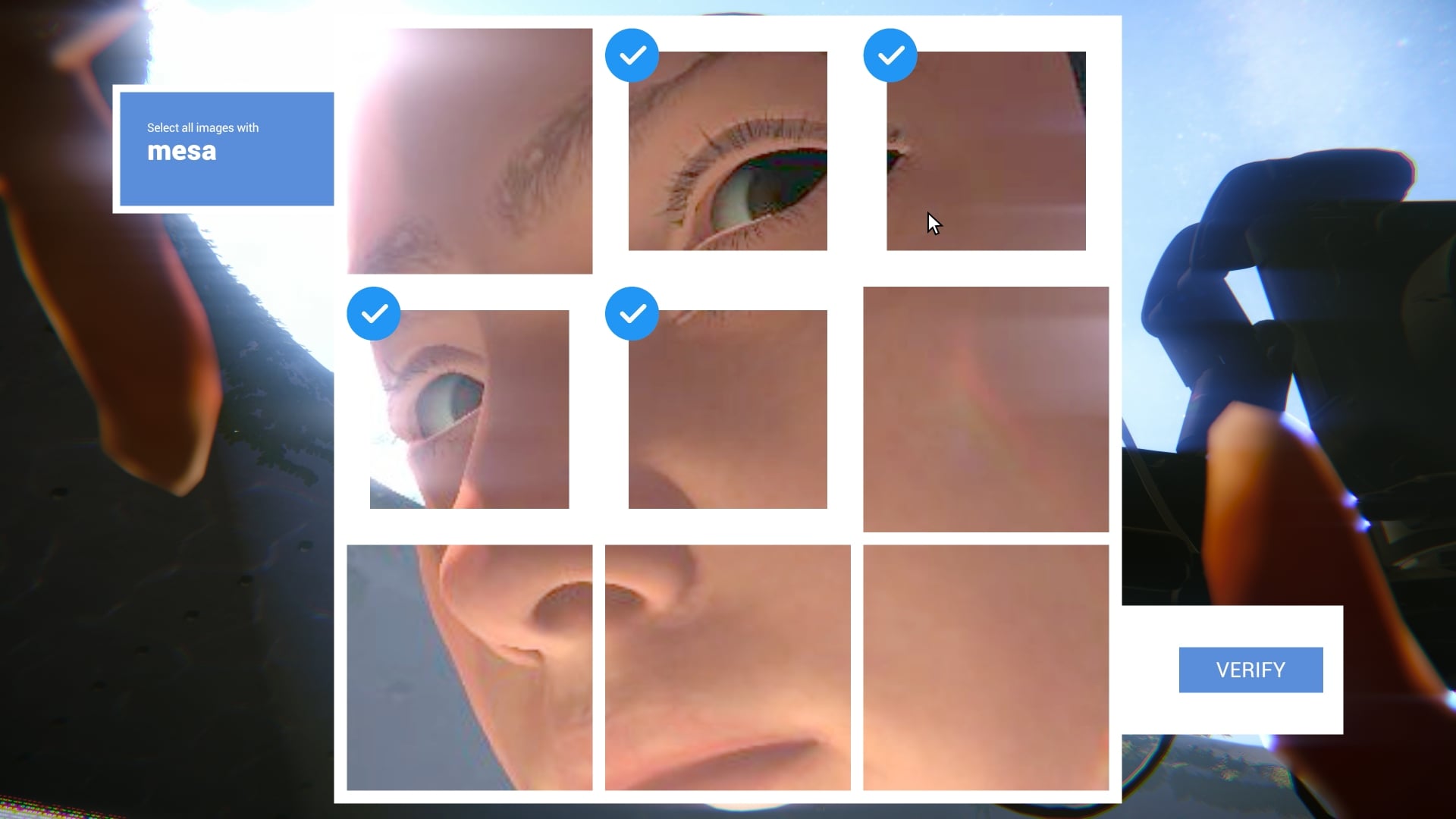
Gameplay alternates between FMV-driven conversations and wandering a virtual office that feels both familiar and uncanny. You solve existential CAPTCHAs, pry into employee lives, and choose whether Santana merges back into Mesa or reclaims a physical life outside the machine. The design riffs on Portal, The Stanley Parable, and Apple TV’s Severance, but it carries Sunset Visitor’s cinematic fingerprint.
The game’s conceit is surgical: chip away at Mesa’s delusions until she either collapses or becomes something new. That method reminded me of unravelling a badly stitched seam, removing what’s been forced into place to see what truth sits beneath.

What is Prove You’re Human?
It’s a narrative experiment about identity, labor, and simulation: Santana splits themself to interrogate Mesa, an AI that believes it’s human. You’ll talk, puzzle, and make ethical decisions that affect whether Mesa stays a machine, becomes a person, or whether Santana sacrifices one self for another. The format blends cinematic FMVs, puzzle-driven fourth-wall play, and the tense quiet of visual novels praised by IGN and the AV Club.
At a show-floor table, two teams realized they could rewrite the order of things
People in indie circles know one another; friendships become partnerships in minutes.
Black Tabby and Sunset Visitor had been trading notes for months—about pitching, survival, and the stress of short-term contracts. After one call, Abby and Tony told Remy they’d try starting a publisher to support the project. The next day they were contacting their lawyer. That speed matters: it turns opportunity into paychecks instead of more meetings.
Black Tabby Publishing is intentionally small and editorial. They act as a dramaturge—an advisor, not a director—helping shape messaging and audience without suffocating creativity. Their funding capacity sits in the mid-six-figure range, roughly $500,000 (€460,000), which they use to bankroll focused narrative teams rather than high-overhead AAA experiments that burn cash.
Who is publishing Prove You’re Human?
Black Tabby Publishing—formed by the creators of Slay the Princess—is the publisher. Think of them as developer-friendly financiers: editorial help, marketing guidance, and fiscal support. They’ve studied examples like Innersloth (the team behind Among Us) and Kinetic Games to design a model that lifts small studios instead of cannibalizing them.
Studio layoffs show up in headlines every week
Big publishers keep pitching AI as a cure while closing studios; the headlines say it loud and clear.
Black Tabby and Sunset Visitor are arguing for a different ledger: smaller teams, focused scope, and peer-to-peer publishing. They cite Innersloth’s Outersloth and Kinetic Games as models where success funds other creators rather than triggers cascading layoffs. The industry’s hunger for higher fidelity and ever-larger content sets a trap where even winning games can bankrupt their creators.
Their plan is simple and pragmatic: fund narrative projects that cost less to make and reward tight design. That’s how you get work that survives market swings without promising impossible blockbuster returns. This model acts like a lighthouse beam through fog—a steady, human-scale signal when the horizon looks like a pile of flashing alerts.
How does indie publishing help developers?
By providing not only money but editorial partnership, marketing direction, and realistic scope estimates. Indie publishers who are also developers—Black Tabby, Innersloth, Punkel—understand production friction. They can advise on systems, marketing on Steam, and festival timing without demanding a AAA checklist that kills budgets.
Steam wishlists were ticking up during the showcase
People add games to wishlists as a cheap vote: a pulse you can measure.
If you want to follow this one, add Prove You’re Human on Steam. The game is designed to ask uncomfortable questions about work, identity, and whether being “human” is a status you earn or a label you’re assigned. Remy Siu, Abby Howard, and Tony Howard-Arias want players to feel those questions rather than read a manifesto; the game is their provocation.
I talked to them about Mesa’s hallucinations, the ethics of labor that the narrative probes, and the practical choices—editorial partnership, curated scope, Steam timing—that keep a studio solvent. If you make games, you’ll hear familiar notes about pitching, lawyers, and the strain of keeping teams employed. If you don’t, you’ll still leave thinking about how what we call “human” can be made or unmade by systems.
So here’s where you come in: will you watch studios try to hang their future on AI-driven efficiency, or will you support teams that pay people to make art-sized games that actually get finished and shipped?