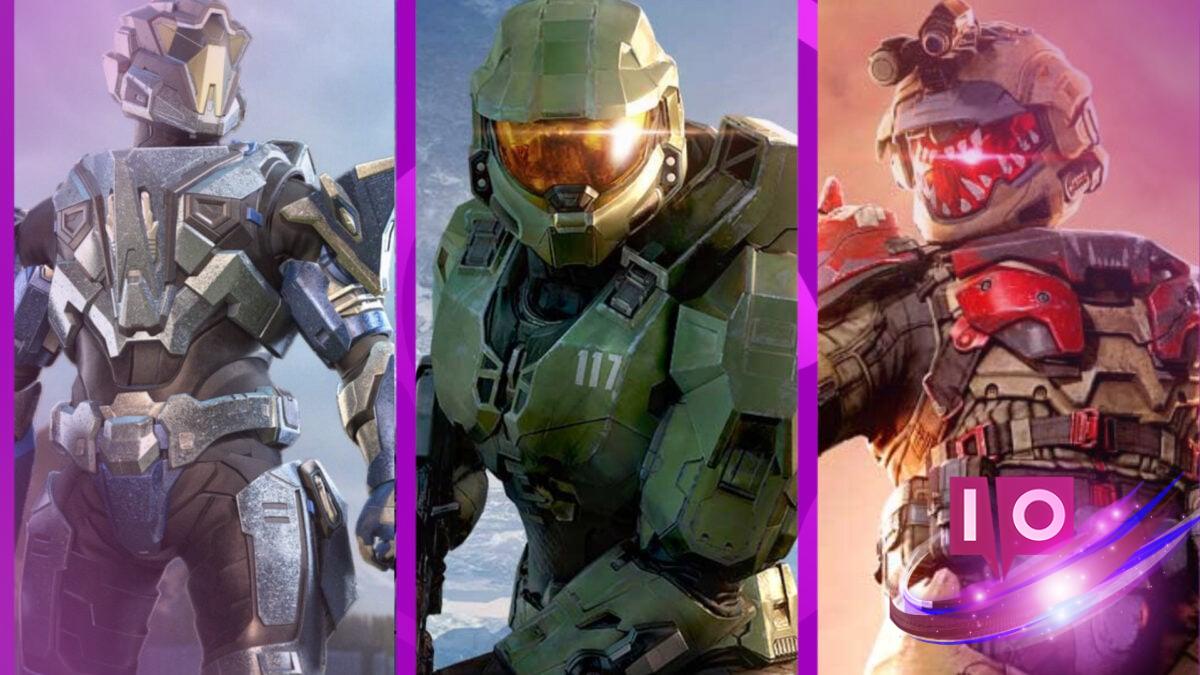
On December 8, 2021, Halo Infinite was launched by 343 Industries, which has since rebranded itself as Halo Studios. Fast forward to today, November 18, 2025, and we find that the studio has rolled out the game’s final update, aptly named “Operation Infinite.” With this release, the focus has shifted to Halo: Campaign Evolved, marking an end to a planned 10-year trajectory for Infinite that concluded after just over four years.
Halo has experienced its share of ups and downs since Bungie’s departure to create Destiny, and Infinite was seen as a means to revive the franchise. By featuring Master Chief as the sole protagonist and introducing an open-world structure on a new Halo ring, the campaign aimed to rejuvenate the series. Utilizing the Grappleshot allowed players to traverse Zeta Halo and engage in dynamic battles, yet the story largely reflected a series that was more focused on regaining its standing than exploring new horizons, as exemplified by Chief’s battles against yet another Forerunner-like alien faction and the Covenant.
Multiplayer offered a different experience, showcasing both the best and most frustrating aspects of Halo Infinite. Upon launch, it faced criticism for missing long-established features like campaign co-op and the Forge map editor. However, it successfully captured the essence of what makes Halo gameplay enjoyable—movement and shooting mechanics felt familiar yet fresh. Like many modern titles, it grappled with server issues and battle pass frustrations, leaving some players wanting more from their gameplay.
Over the years, Infinite evolved into the multiplayer experience that long-time fans desired. It replaced the traditional three-month seasonal model with smaller, more frequent content drops known as “Operations,” which arrived every month. Updates introduced Forge and campaign co-op, while new maps and modes kept the gameplay exciting. Players could revisit past battle passes and level them up, leading to a fluid shooter experience that felt rewarding. The ability to explore user-generated content and new features like Forge tools for creating custom campaign missions added a layer of engagement, making multiplayer feel reminiscent of Warzone in Call of Duty.
Nevertheless, the foundation upon which Infinite was built reflects instability. The game underwent a turbulent development process, and reports from former 343 employees criticized Microsoft for mismanaging the project. Joe Staten, a veteran of the franchise brought in to assist with development, ultimately departed. Although Xbox initially supported Infinite’s comeback, its acquisition of Activision Blizzard and focus on the Call of Duty franchise sent a signal that Halo might be sidelined. While no franchise is without its struggles, the burden of Halo’s challenges cannot entirely rest on 343’s shoulders, especially given the lack of support from the parent company.
For many years, Halo was synonymous with Xbox, but what does that mean today? Just recently, Campaign Evolved is set to launch on PlayStation 5 alongside Xbox Series consoles in 2026. This is not just a one-off event; future Halo titles are being designed for multipplatform availability. This means the franchise can find a fresh audience, particularly those unfamiliar with the series apart from nostalgia-blurred memories of Red vs. Blue.
While it may be fitting that the first Halo game to appear on PlayStation is Campaign Evolved, it’s regrettable that Halo Infinite isn’t receiving a similar opportunity. Initially, Infinite was envisioned as a fresh take to rejuvenate the franchise and position Halo Studios for future endeavors. Although the game reignited some excitement for the series, it’s hard not to feel that it deserved a longer-lasting impact to avoid repeating this tale of resurgence.
Thank you Halo Infinite for the memories; I look forward to seeing how your legacy will evolve within the Master Chief Collection.
What makes Halo Infinite multiplayer unique compared to other titles? The multiplayer aspect of Halo Infinite stands out due to its blend of classic mechanics with new elements like monthly content drops, offering a fresh yet familiar experience.
Will Halo Infinite still be relevant as new titles are released? As new Halo games emerge, Halo Infinite will likely find its place within the Master Chief Collection, where it can continue to engage players.
What are the key features that came with Halo Infinite? Key features of Halo Infinite include an open-world campaign, dynamic multiplayer mechanics, Forge tools for player-generated content, and regular monthly updates.
How has the Halo franchise changed over the years? The Halo franchise has evolved in response to fan feedback, shifting from core Xbox exclusives to a multipatform approach that aims to capture new audiences.
Should I play Halo Infinite now or wait for future titles? If you enjoy franchise lore and multiplayer gameplay, Halo Infinite is worth exploring now, though future titles promise to expand the universe further. Be sure to check out more insights on gaming at Moyens I/O.