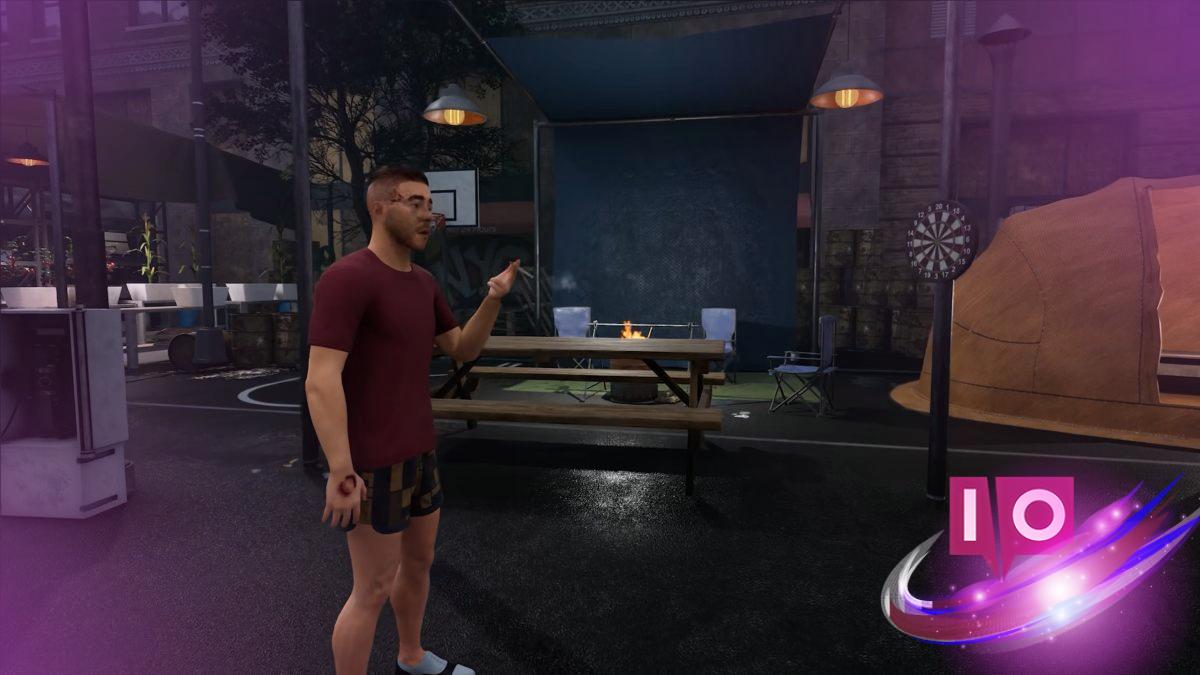
The air hangs thick with dread as you wave another refugee through Checkpoint Alpha. Sweat beads on your brow because you know what’s coming: the telltale cough, the vacant stare, the unmistakable lesions. Miss even one symptom in Quarantine Zone: The Last Check, and you condemn not only the infected but potentially the entire camp.
Here is how to tell the difference between Necrosis and Bruising in Quarantine Zone: The Last Check.
Quarantine Zone: The Last Check Necrosis vs. Bruising

In Quarantine Zone: The Last Check, you’ll find that Necrosis and Bruising typically appear under survivors’ clothing. Stay vigilant for these symptoms once the Scanner becomes available on day 6 of Campaign mode. The most obvious difference? Color. Necrosis is always a darker shade of brown, appearing almost black from a distance, and presents a blotchy pattern. Both can show on a survivor’s face, neck, and upper back, where other symptoms like Vitiligo may also appear. Necrosis can appear on the hands, but usually not in multiple places simultaneously.
Bruising, on the other hand, is always a lighter shade of brown, closer to the color of dirt. It’s also more opaque, displays a uniform pattern, and features limited visible skin within it. Remember that the game intentionally obscures details, making your diagnosis harder. It’s like trying to read a map in a sandstorm, but the stakes are much higher.
| Image | Symptom |
|---|---|
 |
Necrosis |
 |
Bruising |
How does the Scanner tool help identify Necrosis?
As you progress in Quarantine Zone, thorough inspections at Checkpoint Alpha become even more important. It gets harder to determine whether a person is merely sick or fully infected. Use the Scanner to identify markings, upgrade the feature to ‘Clear View‘ to remove dirt and refine your diagnosis. Then, use the X-Ray to diagnose Necrosis by studying the survivor’s organs.
Necrosis isn’t limited to the skin; it attacks the organs, draining their color and life, replacing it with patches of brown and black. Think of it as rust consuming metal, but the metal is a human being. When differentiating between Necrosis, Bruising, and Red Bruises, zoom in to closely examine the color of the markings.
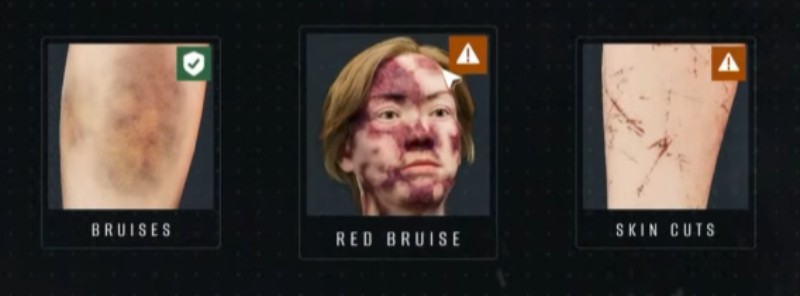
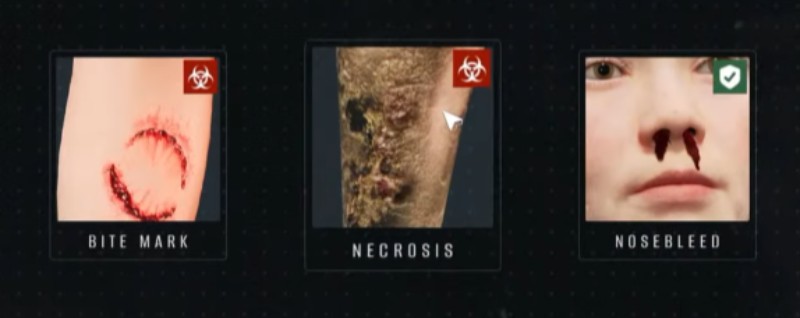
Necrosis doesn’t always appear as clear-cut as the symptom list suggests. Given that it signifies advanced infection and organ failure, you need to scan a survivor’s entire body before deciding.
What happens if you misdiagnose Necrosis?
A misdiagnosis in Quarantine Zone: The Last Check has grave implications, as it could send an infected individual into the general population, thus endangering everyone. It could also lead to the needless suffering or even death of a healthy person. Your choices determine the fate of the camp; misjudge, and the results are often irreversible.
Are there any other symptoms to watch out for in Quarantine Zone?
Absolutely. Beyond Necrosis and Bruising, you should also watch for symptoms like Bite Marks, extreme fatigue, persistent coughing, and sudden behavioral changes. A keen eye and attention to detail are your most important assets.