
The room went quiet when Asha Sharma said the words aloud. For a second, you could hear an internal scoreboard ticking—new generation, new rules. I felt that same tug you get when a franchise hints at a risky sequel.
I’ve chased console cycles long enough to tell you where the gears grind. You’re here because Project Helix promises change, and you want to know if that change helps or hurts your library, your wallet, and the games you care about.
At a recent Xbox briefing people exchanged puzzled looks — then lean in when the details came. What Project Helix is, and what Microsoft has said so far
Announced on March 5, Project Helix is Xbox’s next console: the potential centerpiece of the 10th generation and the follow-up to the Series X/S. New Xbox chief Asha Sharma framed it as a machine that will “lead in performance and play your Xbox and PC games,” which is shorthand for a more PC-friendly Xbox direction.
That phrasing wasn’t accidental. Under Phil Spencer, Microsoft pushed multiplatform strategies and Game Pass integration; Sharma’s words suggest an acceleration of that path. Whether Helix will pull in Steam or stick to Game Pass and Microsoft’s storefronts remains an open question.
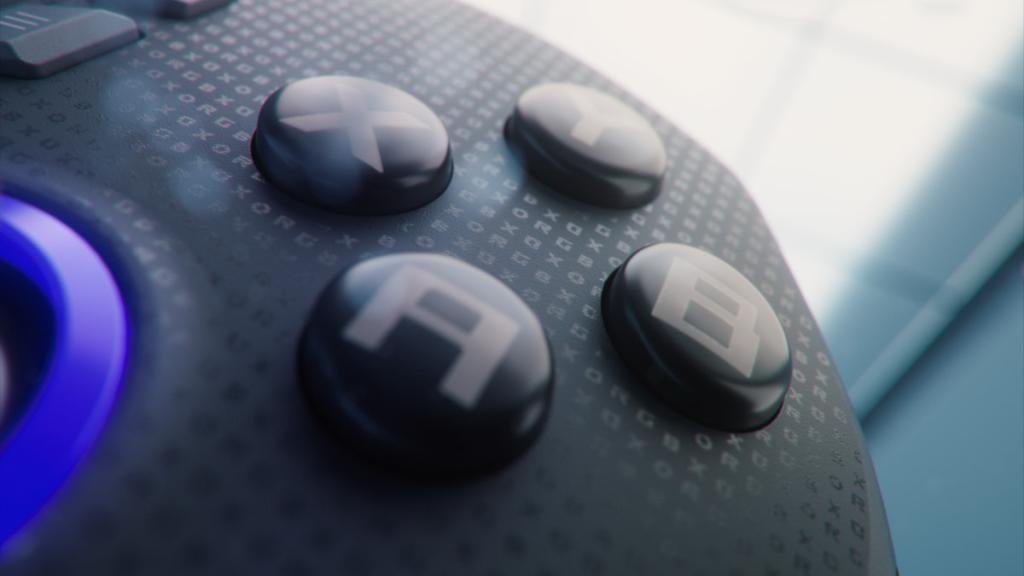
In the wild at trade shows you watch hardware slides and judge the gaps. The silicon rumor: AMD Zen 6 and RDNA 5
Leaked sourcing picked up by Overclock3D and a Moore’s Law is Dead breakdown point to AMD silicon: a Zen 6 CPU paired with an RDNA 5 GPU. That would be a four-generation jump from the Zen 2 / RDNA 2 inside the current Xbox consoles.
In practical terms, think far better ray tracing performance, AI-assisted upscaling tools that are closer to parity with Nvidia, and raw throughput large enough to shift native resolution targets. AMD’s FSR tech has been closing the gap, and Sony’s PSSR 2 shows AMD hardware can carry modern upscalers in console platforms.
Metaphor 1: If the current Xbox is a family sedan, Helix could arrive like a muscle car on a test track—louder, faster, and harder to ignore.
What hardware will Project Helix use?
The rumors line up around Zen 6 and RDNA 5 from AMD. Until Microsoft confirms, treat that as probable but not final. Expect AMD tooling for AI upscaling and higher RT budgets, which gives developers more headroom for eye candy and performance.
In casual threads gamertags change when release windows shift. What the timing looks like
Overclock3D’s reporting places a launch in 2027, which fits the seven- to eight-year cadence consoles have followed. Microsoft skipped a mid-generation “Pro” upgrade this cycle, which could mean they poured those resources toward a generational leap instead.
My read: Helix is unlikely to appear before late 2027, and 2028 remains plausible—especially if Sony times a PlayStation 6 release close to Microsoft’s. If you’re planning a console buy, expect overlap and careful price positioning.
When will Project Helix be released?
Current reporting points to 2027, possibly late in the year, with 2028 still on the table. Microsoft tends to synchronize hardware moves with wider market pressure, so a PS6 announcement from Sony could nudge timing.
At developer showcases you see engines running something new and you ask how games will feel. Performance, upscaling, and what it means for players
For most players, the headline is performance that reads as fidelity—higher native resolutions, better ray tracing, and smarter upscaling delivering 30 fps at native 4K or 60 fps with AI assistance. Expect Microsoft to lean into Game Pass and cross-play ties with PC titles.
AMD’s AI work (FSR) and Sony’s PSSR 2 success indicate that effective upscaling on AMD silicon is no longer a fringe benefit; it’s a practical route to sharper visuals without static hardware costs.
Will Project Helix play PC games?
Sharma’s phrasing—”play your Xbox and PC games”—strongly suggests native PC compatibility or at least streamlined PC-to-console parity. Whether that expands to Steam integration or remains within Microsoft’s ecosystem is undecided, but the intent to merge experiences is clear.
In boardrooms you see strategy maps and pockets of risk. Why Helix matters to Microsoft and to you
This is more than a spec bump. Helix signals Microsoft’s willingness to blur platform lines and treat consoles as part of a broader Xbox + PC play. For developers, that can mean unified tooling and fewer platform-specific bottlenecks. For players, it can mean easier access to libraries and services—if Microsoft keeps Game Pass central, that library could become the tie that binds.
Metaphor 2: Think of Helix as a crossroads where subscription libraries and raw hardware muscle meet; your choice of ecosystem will matter more than ever.
Risk is real: multiplatform focus can dilute exclusive windows and complicate first-party leverage. Reward is real too: better value for players who subscribe and stronger developer pipelines for those targeting a unified target.
Want a price guess? Industry whispers peg a flagship console in the $499 (€462) neighborhood, though Microsoft’s history of tiered SKUs could push that number up or down with premium or budget variants.
In patch notes and interviews you learn the subtle changes. What to watch next
Watch for official confirmation of the AMD stack, dev tools tailored to RDNA 5, and any statements about Steam or other PC storefront openness. Follow Asha Sharma, Phil Spencer, AMD, and outlets like Overclock3D and Moore’s Law is Dead for the earliest signal changes.
I’ll keep tracking launches, SDK details, and how publishers react. You should watch release timing and any MSRP announcements—those two levers will decide whether Helix reshuffles your console plans or quietly complements them.
Which side will you be on when Helix reshapes the conversation—platform purist, subscription maximalist, or somewhere between?