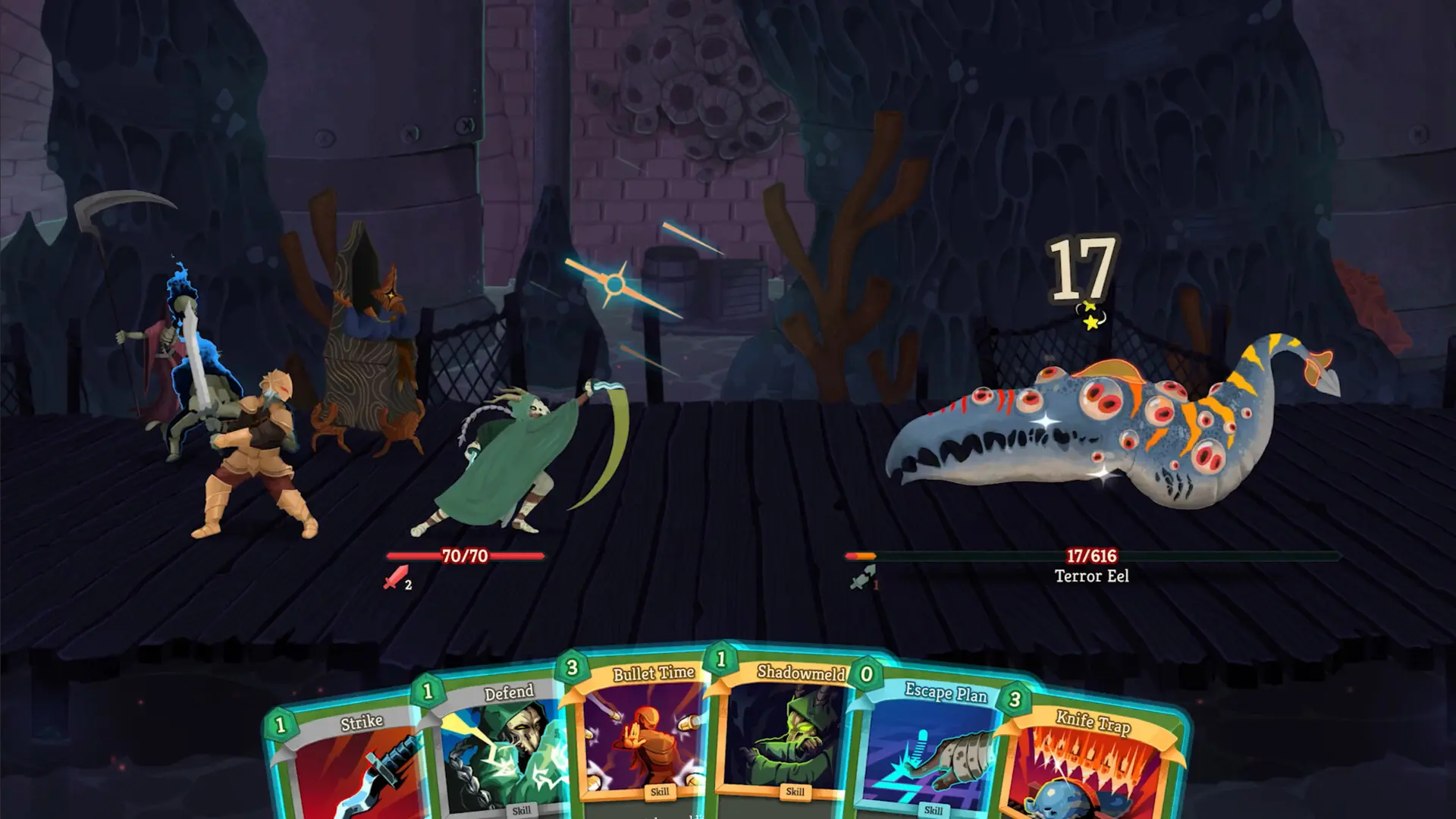
My run was two rooms from collapse when the Crystal Sphere blinked at me like a dare. I paused, heart rate up, knowing a single choice could tilt the whole act. I told myself I’d make the safe play — and then didn’t.
I’ve spent dozens of hours with Slay the Spire 2 on Steam, watched speedrunners and streamers test the event on Twitch, and read threads on r/SlayTheSpire and the MegaCrit Discord. I’ll walk you through what the Sphere offers, when to pay, when to take debt, and how to squeeze value out of every pick so your run doesn’t break on the next corner.
In most runs you stumble on odd events — How does the Crystal Sphere work in Slay the Spire 2
The Crystal Sphere is a small puzzle disguised as an event. You face a blue orb with hidden tiles; reveal tiles to see relics, cards, curses, or a Debt card.
- Small Divination: Reveals fewer tiles. Cleaner information, fewer surprises.
- Big Divination: Reveals more tiles. More options, but also more chances for garbage.

You get picks in one of two ways: pay the gold cost, or accept a Debt card.
- Pay 52 Gold for three picks.
- Take the Debt card and earn six picks; the Debt card can’t be played and causes you to lose 10 Gold at the end of each turn.
On few runs the margin is thin — Which option should you pick with the Crystal Sphere in Slay the Spire 2
If you’re short on stability — low HP, bad relics, or tight economy — paying Gold is the calm choice. You trade some currency for three guaranteed looks and avoid the slow bleed of Debt.
If you’re chasing a big power spike and can absorb temporary losses, Debt multiplies your picks and can swing a run that’s about to stall. Debt behaves like opening a locked briefcase: you might find a treasure or a trap, and you won’t know until you pry it open.
Should I pay 52 Gold or take the Debt?
Pay Gold when you need predictability. Fifty-two Gold is a measurable cost; on Steam runs that matters more late act than early. Take Debt when you have a deck that discards or a character who can mitigate Debt (Silent-style discard options), or when you’re chasing relic density for combo turns.
Big Divination or Small Divination: which gives better value?
With the Gold route (three picks) I recommend Big Divination — reveal more tiles so your limited choices matter. With the Debt route (six picks) choose Small Divination and pick deliberately; more picks mean you can be choosier and avoid curses or worthless relics.
How dangerous is the Debt card in higher Ascensions?
Debt scales poorly in tighter runs. It can cost 10 Gold per turn, and if a fight drags on you bleed money fast. On high Ascension or runs where economy is already strained, Debt reads like walking on thin ice — tempting if you’re confident, fatal if you misjudge the board.
Practical checklist I use when the Sphere shows up: what’s my current Gold, how many rooms until rest site, does my deck have discard or card-removal tools, and how hostile is the remaining act? Use Steam workshop notes, community guides on Reddit, and clips from runners for specific character interactions.
Final rule of thumb from my runs: pay if you want insurance, debt if you want to gamble for a turning relic — and plan how to mitigate that debt before you choose. Which choice would you make on your next risky run?