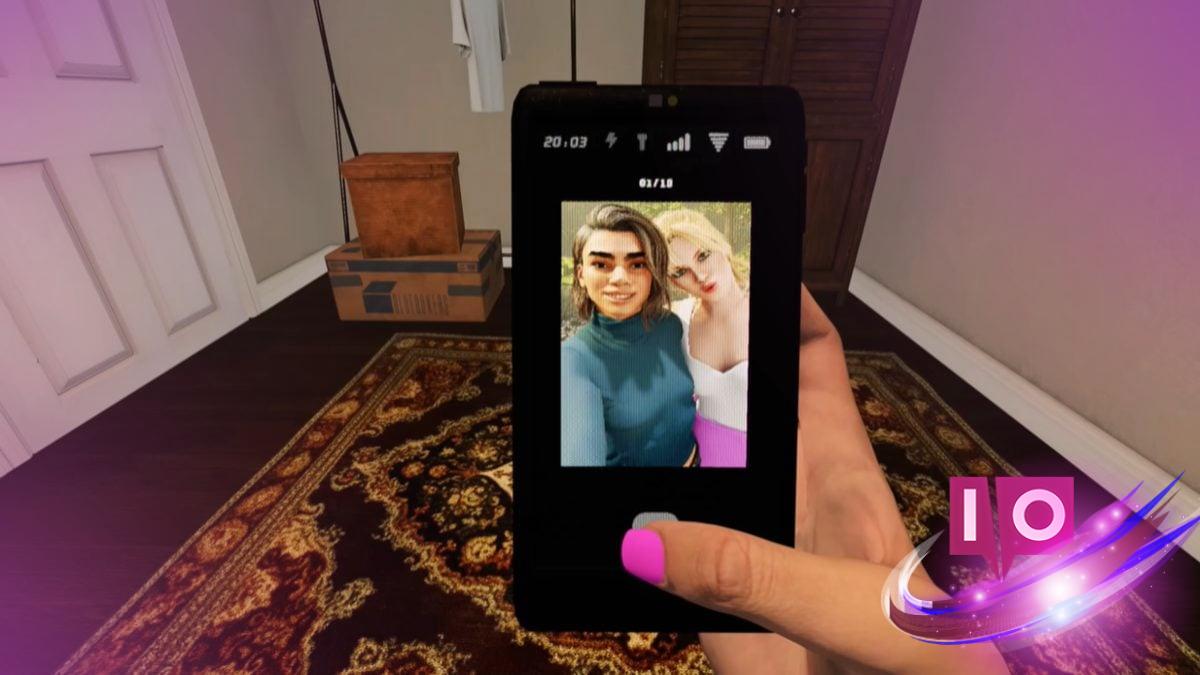
A missing friend fades into memory, leading you through a glitch-filled universe in Face of Another. Your challenge? To uncover the mystery of her disappearance before you become the next victim.
Face of Another isn’t a remake of the 1986 movie; it’s an indie horror game that delivers a profound message about the risks of social media. While we all recognize the dangers, this game expertly highlights the dark side of online life and our tendency to compare ourselves to others, arguably better than titles like Silent Hill: A Short Message.
In this article, we’ll delve into the intricate story of Face of Another and explore the significance of Emma’s two endings.
Content warning: dark themes including self-harm and suicide.
Understanding the Story of Face of Another
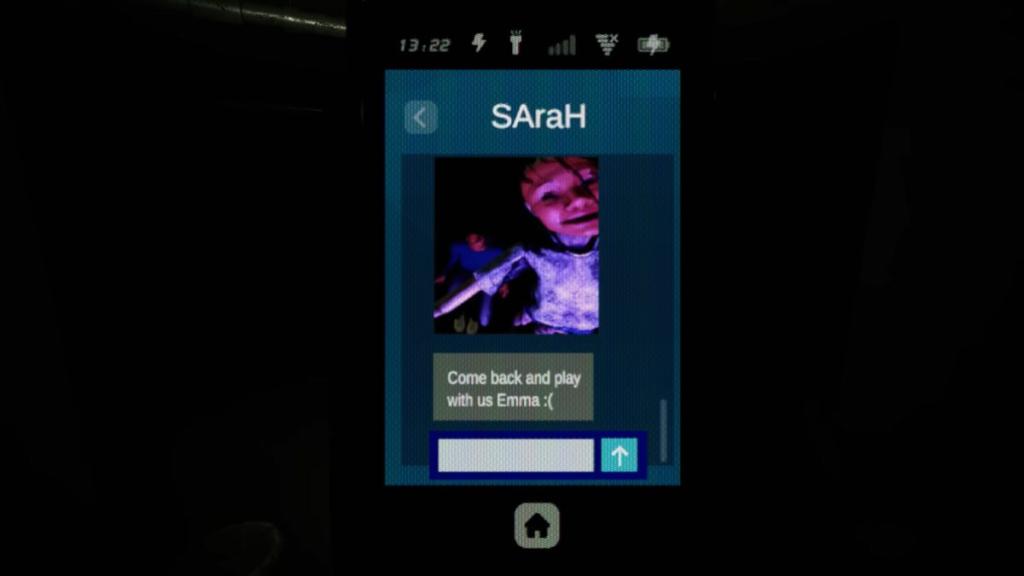
The game opens ominously, as we learn that Emma’s friend has been missing for three days and, worryingly, she can barely recall what her face looks like without checking her phone. How can a friend fade from memory so quickly? While Emma tries to focus on her schoolwork, distractions abound, from her laptop running low on battery to the strange sound of a shower turning on by itself.
Suddenly, a camera flash interrupts her investigation into the odd bathroom noise. Emma is abruptly pulled from reality, thanks to a malware attack disguised as a slot machine game, revealing an unsolicited picture taken without her consent. This event serves as a turning point, thrusting Emma into a glitchy digital realm where she must use her camera phone to navigate her way forward.
In this unsettling world, Emma is pursued and manipulated by an entity impersonating others. Reminiscent of Junji Ito’s The Face Burglar, this villain steals likenesses to blend in. In today’s social media-driven society, jealousy and competition often breed a sense of inadequacy, urging us to present a façade that may not reflect our true selves. We all find ourselves, at times, as projections of those we admire or envy. Captured by the entity, Emma’s likeness merges with Sarah’s, branding her with the stigma of duality.
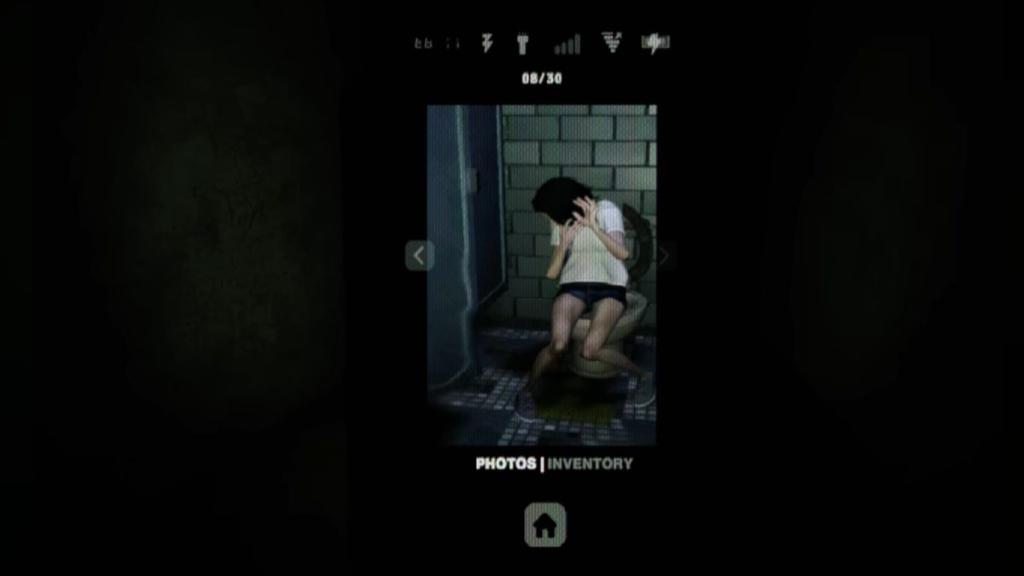
“Technology distorts reality,” a phrase from the Steam product page, perfectly encapsulates the impact of social media on mental health. This becomes clear through Mia’s experience, as the locations explored reflect her somber memories rather than Emma’s. Fragments of Mia’s suicide note hint at her struggles with wanting to disappear, a chilling revelation for someone so young. The timeline suggests that Sarah’s disappearance closely follows Mia’s tragic end.
Emma and Sarah are implicated in documenting Mia’s pain, capturing her vulnerability during a humiliating event at school. Forced to stay in a restroom stall while being bullied, Emma’s actions illustrate the severe consequences of social media accountability. Were they complicit in amplifying Mia’s suffering? The narrative shifts as the lines blur between victim and villain, leaving players unsettled.
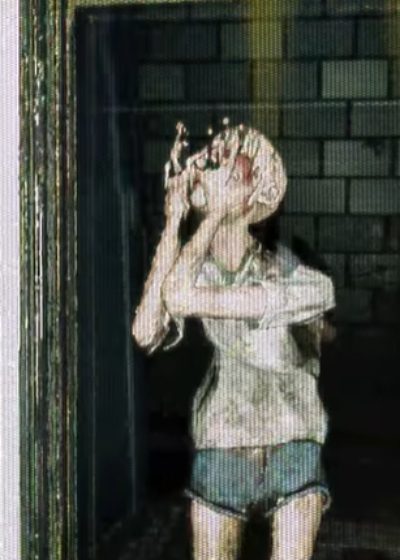
Mia, overwhelmed by the media’s darkness, retreats from the world, potentially merging her identity with the faceless entity. This distortion hints at a haunting reality: she might be seeking solace as a vengeful spirit. Is the entity simply a corrupted version of Mia, or is it a malevolent force leveraging her pain to instill fear in others?
Exploring the Endings of Face of Another
Face of Another presents two endings influenced by your choice at the game’s conclusion. After confronting the evil entity and discovering Mia submerged in a bathtub filled with a dark substance, you face a crucial decision: sever the ties to the damaging photographs or leave them untouched. This decision serves as a metaphor for deleting harmful memories or perpetuating them online.
Ending One (Bad)
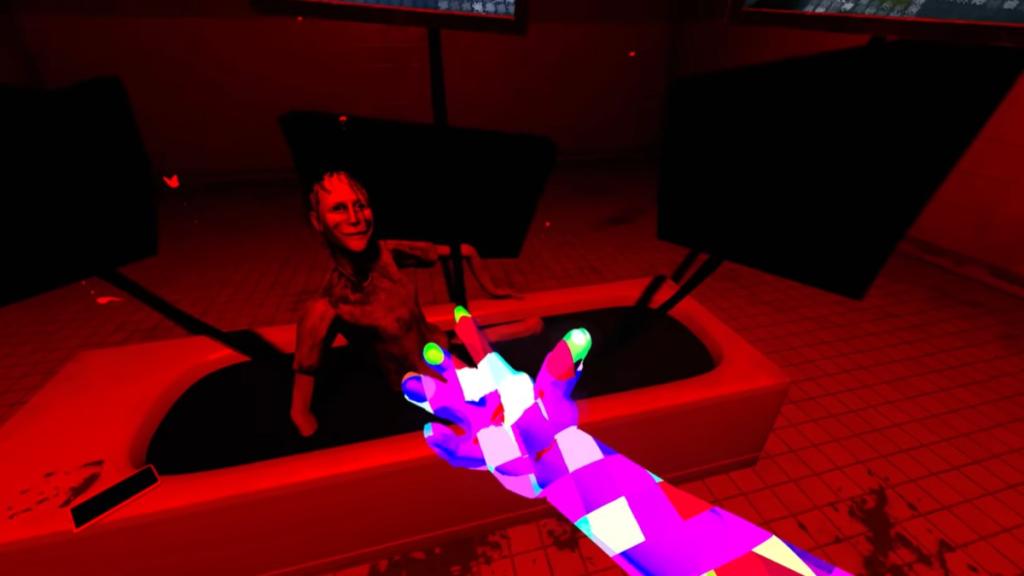
If you photograph Mia without disconnecting the wires from the damaging images, Emma will succumb to the glitch-filled world she tried to escape. This grim outcome mirrors Sarah’s fate, who also vanished into oblivion, forever forgotten—a fate that strikes fear in anyone who values their existence online.
This resonates deeply with Sarah’s narrative, as the entity systematically consumes Emma, much like it did with Sarah. From a psychological horror perspective, their disappearances signify a surrender to guilt, each absorbed into the digital void.
Ending Two (Good)
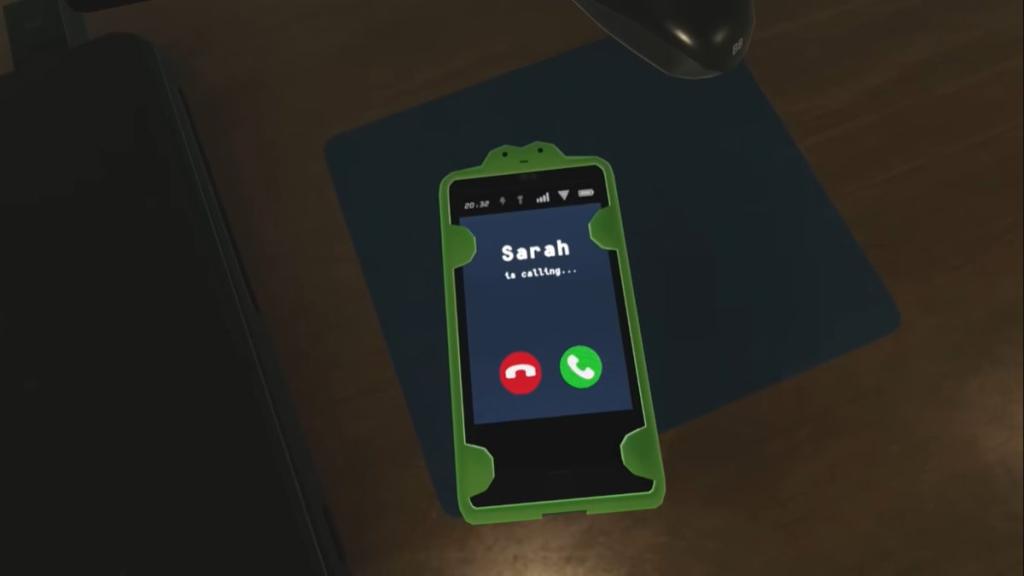
The more auspicious ending is achieved by severing connections to those damaging photographs. This action symbolizes not just the deletion of painful memories, but also the hope for Mia’s peace. Within this psychological landscape, the digital world may only exist as a manifestation of guilt following Mia’s untimely death. The act of deleting images implies a chance for healing rather than living in perpetual fear of judgment.
In the concluding moment, Emma awakens to her phone ringing. It’s Sarah, which brings an ambiguous resolution. The prior distressing call from the entity warns of a chilling fate that was to come. However, Sarah’s call hints at growth and healing, suggesting that they evolve past their shared trauma, understanding the irreversible repercussions of their past actions.
Are you drawn to stories that more than entertain? Check out more engaging content like this at Moyens I/O.