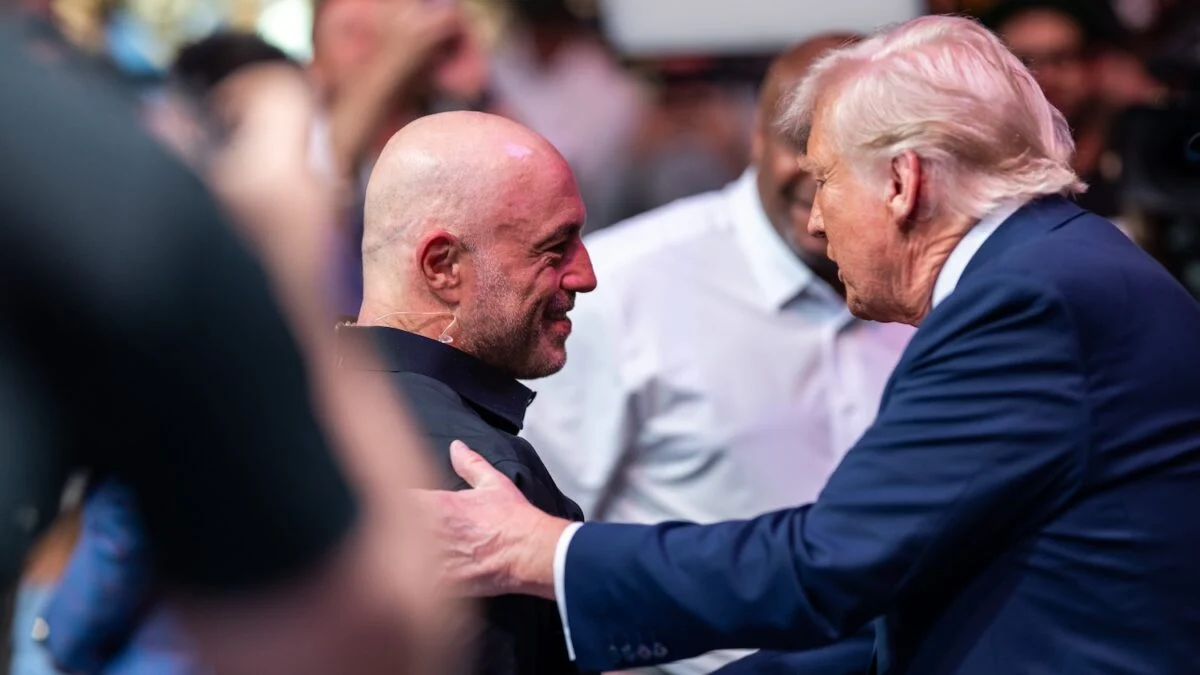
After the buzz of the 2024 Presidential election, the question loomed large: who could become the “Joe Rogan of the Left”? It’s a choice that misses a big part of Rogan’s charm: he doesn’t hit his audience over the head with a party line. Experts have pointed out that many areas labeled as “apolitical”—think gaming or fitness—are often dominated by conservative ideas nestled beneath the surface. Recent research backs this up.
A recent study from Columbia and Harvard tracked 4,716 Americans aged 18 to 45, observing how their consumption of various creators influenced their political views. One group engaged with progressive creators, some of whom focused on politics, while others maintained a more neutral tone. This group saw a noticeable rise in political engagement and acceptance of progressive policies. In contrast, those who followed creators with no political slant saw a shift toward more conservative viewpoints.
What’s intriguing is that these so-called apolitical creators had a surprisingly strong effect on their audiences’ political stances—about three times more than traditional political figures. The researchers suggest that these creators build a unique trust with their followers, who perceive them as unbiased and genuine.
This dynamic was particularly evident during the 2024 election. Donald Trump and his representatives engaged in a comprehensive online media blitz, appearing on numerous podcasts. Many of these hosts, while discussing politics, are still seen as anything but political by their audiences.
Take Joe Rogan, for example. During Trump’s victory speech, Dana White highlighted a roster of similar “apolitical” creators, like the Nelk Boys and Adin Ross, who lent their platforms to Trump, influencing many disaffected younger viewers.
Media Matters recently analyzed 320 shows to identify hidden political influences in nonpolitical spaces. Their findings? A staggering 72% leaned right. This rightward slant is particularly evident in comedy, where shows with a collective following of 117 million are led by right-leaning voices, including The Joe Rogan Experience and This Past Weekend with Theo Von.
For progressives hoping to make inroads, there’s a silver lining in the research: online creators can indeed sway opinions leftward. The challenge lies in establishing trust with audiences who might not be actively searching for a progressive angle. Authenticity is key—creators like Rogan present themselves as independents, allowing viewers to think their viewpoints arise from “common sense.”
Who are some examples of non-political creators influencing politics?
Notable figures include Joe Rogan, the Nelk Boys, and Theo Von. These creators engage with wide audiences while largely maintaining a non-political image, yet their influence can steer political conversations.
What role do apolitical creators play in shaping political opinions?
Apolitical creators can significantly affect their audience’s political views. Their perceived lack of motivation often leads to greater trust, making their influence far-reaching compared to more traditional political figures.
How did the 2024 election illustrate the influence of non-political creators?
During the 2024 election, many non-political creators actively engaged with political figures, amplifying their messages to younger, politically indifferent audiences. This crossover allowed messages to reach a more diverse demographic, swaying opinions and engagement.
What can progressives learn from this research?
For progressives to effectively engage audiences, establishing a sense of authenticity and trust is vital. Engaging in casual conversations rather than overt political discussions could help shift opinions more naturally.
This research reveals a fascinating aspect of online culture: non-political creators wield power over political views in an unexpected way. As we continue to navigate this evolving landscape, the summer of influence seems ripe for exploration. What strategies do you think would work best for creators looking to connect with politically disaffected audiences? Share your thoughts in the comments below!