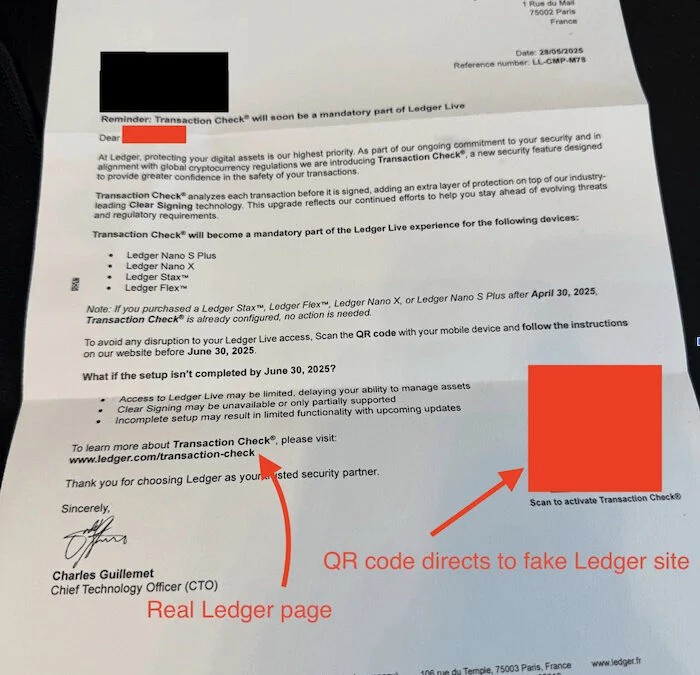
In the world of cryptocurrency, security is paramount. When a company, especially one that champions secure storage solutions like Ledger, experiences a breach, it raises red flags. Recently, Ledger announced a data leak involving its third-party payment processor, Global-e. Although no crypto was stolen, customer names and contact details were exposed, sparking concerns about potential future threats.
As a seasoned content strategist in technology, I’ve followed security incidents closely, especially in the crypto landscape where trust is everything. It’s crucial for users to stay informed and proactive about their personal data and assets.
What Happened with Ledger and Global-e?
Ledger’s partnership with Global-e, responsible for processing orders on its online platform, encountered a security incident. This breach revealed sensitive customer data to an unknown source, leaving many users unsettled. Ledger promptly informed affected individuals and solicited the expertise of forensic specialists to investigate the matter further.
How Does a Hardware Wallet Protect Your Crypto?
Hardware wallets like Ledger are designed to keep cryptocurrencies safe by isolating private keys from internet-connected devices. This means even if your computer or smartphone is compromised, your crypto remains locked away in an offline vault, secure from potential theft.
What Are the Implications of This Data Leak?
The irony of this breach—affecting a firm focused on high-level security—has stirred both concern and skepticism in the crypto community. The leaked data can serve as a valuable resource for hackers looking to execute social engineering attacks, capitalizing on personal information to manipulate unsuspecting users.
Community alert: Ledger had another data breach via payment processor Global-e leaking the personal data of customers (name & other contact information).
Earlier today customers received the email below. pic.twitter.com/RKVbv6BTGO
— ZachXBT (@zachxbt) January 5, 2026
How Should Users Respond to This Incident?
Ledger is urging customers to enhance their security measures, such as enabling Clear Signing. This feature provides more transparency regarding transaction details. Users are also encouraged to be vigilant about phishing attempts, which may exploit the leaked information.
Has Ledger Experienced Similar Issues Before?
This recent breach comes almost six years after a significant data leak in 2020, which impacted over 270,000 customer records, including sensitive personal data. That incident has been linked to ongoing phishing campaigns targeting Ledger users, highlighting a persistent vulnerability in the crypto realm.
What About Physical Security Concerns?
A fascinating aspect of hardware wallets is that they provide excellent protection against online theft but are not immune to physical threats. There have been increasing reports of “$5 wrench” attacks, where customers are coerced into transferring their assets. While transactional records are secure, the ease of transferring digital currency can leave a user exposed in certain scenarios.
What Does the Future Hold for Crypto Security?
As cryptocurrencies and their infrastructures continue to evolve, so do the tactics of criminals. In 2025 alone, thefts related to cryptocurrencies surged to $3.4 billion, with incidents like home invasions becoming alarmingly common. The importance of safeguarding one’s personal data and assets cannot be overstated.
What Can Users Do to Protect Themselves?
- Regularly update passwords and activate two-factor authentication.
- Be skeptical of unsolicited communications requesting personal information.
- Employ decoy wallets to protect a larger stash from potential thieves.
As the realm of digital currencies grows, so does the responsibility of users to safeguard their information actively. If you’re navigating this landscape, make sure you’re informed and prepared for potential challenges. Are you taking the necessary steps to safeguard your cryptocurrency? Share your insights in the comments below!