Have you ever wished your car could do more than just drive? Imagine a vehicle that seamlessly blends performance with entertainment, all while enhancing safety. At CES 2026, Qualcomm showcased its Flex SoC (System on a Chip) that transforms how we relate to our vehicles by multitasking in ways we’ve never seen before.
Note: Qualcomm sponsored my trip to CES by providing travel, accommodations, and meals. No other compensation was received, and Qualcomm had no editorial input or influence on my content.
The core message from Qualcomm at CES is flexibility. They’ve long been a behind-the-scenes partner for numerous automakers, contributing to infotainment systems, safety features, and advanced driving technology. What sets the Flex SoC apart is its capability to manage both driver assistance and in-car entertainment simultaneously, reducing the complexity for car manufacturers and driving down costs. This advancement means that even entry-level cars can come with essential advanced driving features as standard equipment.
Why Does the Flex SoC Matter?
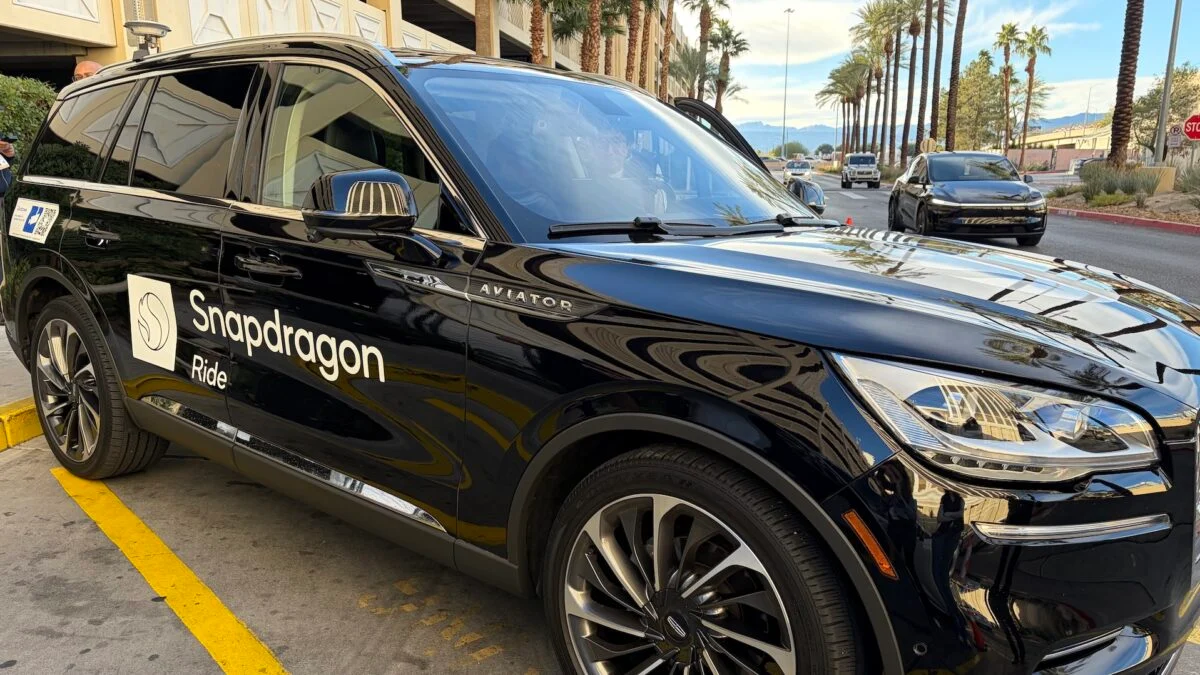
During a demo ride in a Lincoln Aviator outfitted with Qualcomm technology, I was able to witness its capabilities first-hand. Picture this: while cruising down the highway, the system effortlessly juggled multiple tasks. It played music, displayed 3D navigation, monitored the driver’s attentiveness, and ensured the car stayed centered in its lane—all at the same time.
What is Mixed Criticality?
Nilesh Parekh, Qualcomm’s senior director for Snapdragon Ride Flex products, introduced the term “mixed criticality” during our ride. This means the Flex SoC handles both safety features and entertainment functions simultaneously. So, while some applications are critical for safe driving, others, like selecting a playlist, are purely for enjoyment.
How is AI Integrated?
Part of this innovative technology is Google’s AI assistant, which comes built into Qualcomm’s system. This assistant uses Gemini to respond to queries just like any AI chatbot but can also help with local requests. Want to pull up your favorite music or get directions to a nearby lunch spot? It’s all possible with just a voice command. Plus, with Unreal Engine used for graphics, the system provides real-time 3D visuals—showing you whether a door is open and the direction of the wheels.
What Are the Package Options?
The demo vehicle I rode in had a modest setup—one camera, a radar unit, and a driver monitoring camera. This mid-tier package offered Level 2 driving assistance mainly on highways, requiring constant awareness from the driver. If you’re after more advanced features, a premium package includes a richer sensor suite that feeds more data into Qualcomm’s driver assistance system.
What Can We Expect from Future Vehicles?
Experts at Qualcomm anticipate that all future vehicles will feature touch and display screens, along with some foundational safety traits, even in budget models. This isn’t just a vision for tomorrow; it’s already happening in cars on the road today, especially in regions like China where these advanced systems have been deployed.
How does the Flex SoC enhance vehicle safety?
The multitasking ability of the Flex SoC allows for safer driving experiences by integrating assistance features that can monitor driver attention while also managing entertainment systems. This dual capability helps drivers stay engaged without sacrificing safety.
What makes Qualcomm’s chip unique compared to others?
Unlike traditional chips, Qualcomm’s Flex SoC supports a variety of functionalities on a single platform, streamlining both hardware and software for manufacturers, which can lead to cost savings and feature enhancements.
What role does AI play in the Flex SoC system?
AI functionalities are integral, enabling the system to respond to commands, manage real-time data, and offer localized assistance, creating a user-friendly experience that enhances overall vehicle interaction.
Will entry-level cars feature advanced driving technology?
Yes, based on Qualcomm’s projections, even budget vehicles are likely to incorporate basic advanced driving features thanks to the cost savings brought about by the Flex SoC.
This demo showcased everyday features that many drivers encounter, highlighting how essential touchscreens and voice assistants are quickly becoming standard in new cars. Imagine a ride where your vehicle responds to your needs while keeping safety as a top priority—all at the same time.
Are you excited about the future of automotive technology? Share your thoughts in the comments below!