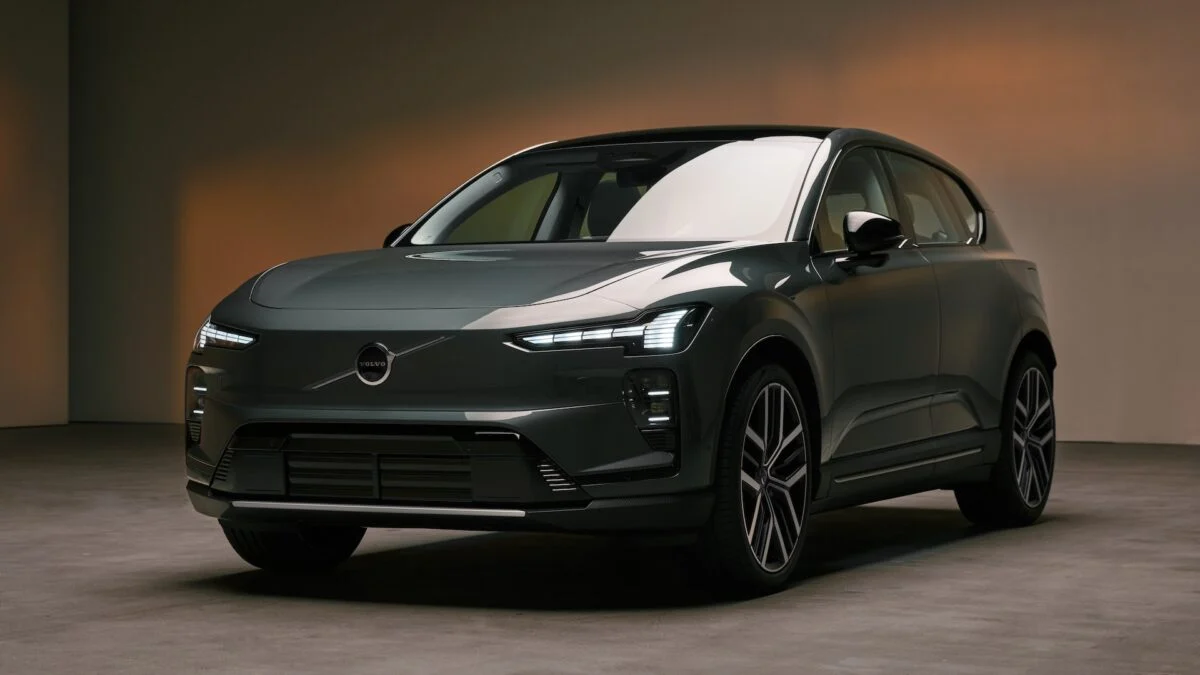
The showroom was silent, save for the low hum of the EX60’s ventilation system. Outside, a hesitant buyer paced, phone pressed to his ear, debating whether to make the leap. He circled the car one more time, the 400-mile range figure echoing in his mind—enough to finally ditch gas altogether?
While some automakers tap the brakes on new electric vehicles in America due to economic uncertainty and slowing sales growth, Volvo is accelerating. Despite a few hurdles, the automaker is moving ahead, introducing the new Volvo EX60.
Between software snags, tariffs impacting Chinese production, and challenges in accessing certain incentives, it hasn’t been the smoothest ride for Volvo’s EVs. Yet, the brand isn’t backing down; the EX60 represents the next phase in its electric strategy.
Volvo’s EX60 Aims for the Range Crown
The EX60’s range figures are grabbing attention. Volvo claims the most efficient version can hit 643 km on a full charge. That’s a bold statement, surpassing rivals like the BMW iX3, Cadillac Optiq, and Mercedes-Benz GLC EV. Other options include a rear-wheel-drive model targeting 499 km and an all-wheel-drive variant aiming for 515 km. Keep in mind that the EPA hasn’t yet weighed in with official estimates.

That range isn’t just about a bigger battery. The EX60 debuts Volvo’s HugInCore, a new architecture encompassing electric motors, battery tech, and mega-casting. The goal? Shed weight while boosting performance and efficiency. All EX60 models feature a built-in Tesla-style NACS charge port, granting access to Tesla’s Supercharger network without needing an adapter.
What Makes the Volvo EX60’s Design Stand Out?
The EX60 isn’t just about what’s under the hood; it represents a fresh design language for Volvo. Even the seatbelts have been rethought, which matters when you remember that Volvo invented the modern three-point seatbelt nearly 70 years ago. It’s a bit like a master painter refining their brushstrokes—subtle, but significant.


Tech-Forward Interior: Gemini AI and More
Remember those glitchy infotainment systems that plagued some early EVs? Volvo’s determined to avoid that. With the EX60, Volvo is launching an integrated version of Gemini, Google’s AI assistant, which will roll out to other vehicles, replacing the existing Google Assistant. Apple Music comes pre-installed, along with Dolby Atmos and an optional 28-speaker Bowers & Wilkins audio system.
Volvo is tapping Nvidia and Qualcomm to power the infotainment and driver-assistance systems. The promise? A lag-free user experience. Early versions of the EX30 and EX90 drew criticism for slow, buggy systems needing frequent updates. Consumer Reports noted issues like malfunctioning audio and climate control, even rendering the car almost undrivable during updates.
How Will the EX60’s Software Improve the Driving Experience?
Volvo aims to deliver the first EX60s to dealerships this summer, with all versions available by the end of 2026. An EX60 Cross Country, featuring increased ground clearance and unique styling, will also be available. It’s an acknowledgement that while pure performance matters, some drivers still crave a touch of off-road capability.

Volvo anticipates that gas-powered and plug-in hybrid models will still drive volume (and is preparing to build them in the U.S. later this year). However, they’re also betting on remaining a contender in the electric luxury SUV segment. The EX60 represents their chance at a clean slate.
The electric vehicle arena is fiercely competitive, and range is just one piece of the puzzle. Will the EX60’s blend of range, tech, and design be enough to carve out a lasting space for Volvo?