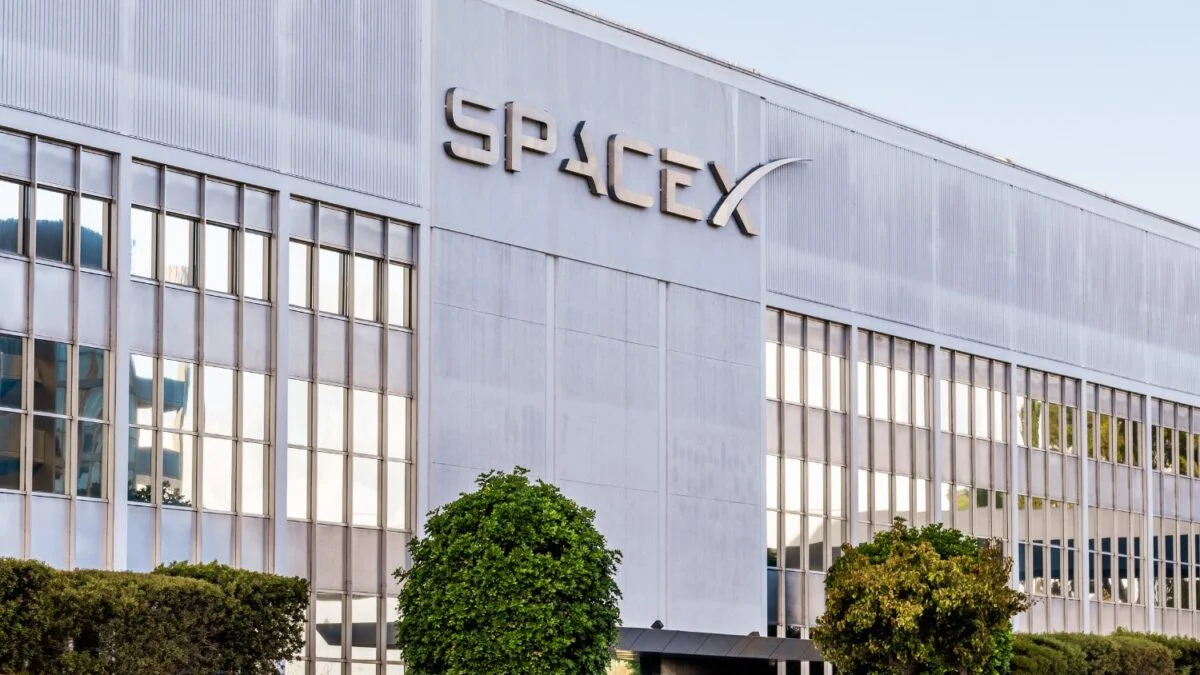
Elon Musk’s latest success feels like a high-speed rocket launch—thrilling yet controversial. After eight employees were fired, the air was thick with tension as their case against SpaceX reached the National Labor Relations Board (NLRB). But now, just like a sudden shift in trajectory, it seems Musk has evaded the regulatory storm.
The NLRB recently addressed the legal standoff, notifying the attorneys of the dismissed employees that the case was being dropped over a jurisdictional dispute, as reported by Bloomberg. It appears Musk has maneuvered through the regulatory maze with remarkable agility.
This saga began in 2022 when a group of SpaceX employees circulated an open letter challenging Musk’s provocative social media behavior, shortly before they were fired. The NLRB responded in 2024 with a formal complaint, asserting that the dismissals were retaliatory and violated workers’ rights to collective activity. Yet now, the NLRB has pivoted, declaring that SpaceX is outside its jurisdiction.
In a letter, Danielle Pierce, a regional NLRB director, stated, “Accordingly, the National Labor Relations Board lacks jurisdiction over the Employer and, therefore, I am dismissing your charge.” This decision stems from a recent ruling by the National Mediation Board (NMB), which indicated that SpaceX engineers fall under its umbrella.
This distinction has significant implications. While the NLRB champions broad labor rights for most private-sector workers, the NMB provides narrower protections, targeting the railroad and airline industries. SpaceX contended that its operations resemble those of airlines, akin to a spaceship taking flight. The dismissed employees countered that SpaceX doesn’t fit the traditional mold of an airline, since its missions are not open to the general public. Additionally, the NMB currently lacks authority over commercial space travel.
Does SpaceX fall under the NLRB’s authority?
The dismissal represents a pivotal moment in Musk’s ongoing battle with federal regulators. SpaceX has previously questioned the constitutionality of the NLRB’s framework. This latest ruling surfaces as Musk, who has had fluctuating ties with President Trump, continues to shape his influence in Washington. Following the election, Musk helmed the now-defunct Department of Government Efficiency (DOGE), advocating for cuts across various federal agencies. Meanwhile, key regulatory positions remain unfilled, impacting oversight of Musk’s ventures, including the NLRB.
How does this case reflect broader labor trends?
Musk is not the only billionaire at the helm of a major company cozying up to Trump while pushing back against labor organization. Amazon has echoed similar sentiments, questioning the NLRB’s structure as unconstitutional. The retail giant continues to resist contracts with successfully unionized workers, demonstrating a shared inclination among the wealthy elite to avoid scrutiny.
Jeff Bezos’ proximity to political power is highlighted by Amazon MGM’s recent hefty investment in a documentary about Melania Trump and his welcome of Defense Secretary Pete Hegseth at Blue Origin, a venture heavily reliant on government contracts. It’s a narrative pattern that can’t be ignored.
For the eight former SpaceX employees, the fight isn’t over. They are pursuing separate claims related to harassment and retaliation in California. As industry giants like Musk and Bezos navigate the complexities of labor relations and government oversight, one has to wonder: how much power should these figures hold in shaping the future of work?
SpaceX and the NLRB did not immediately respond to requests for comment.