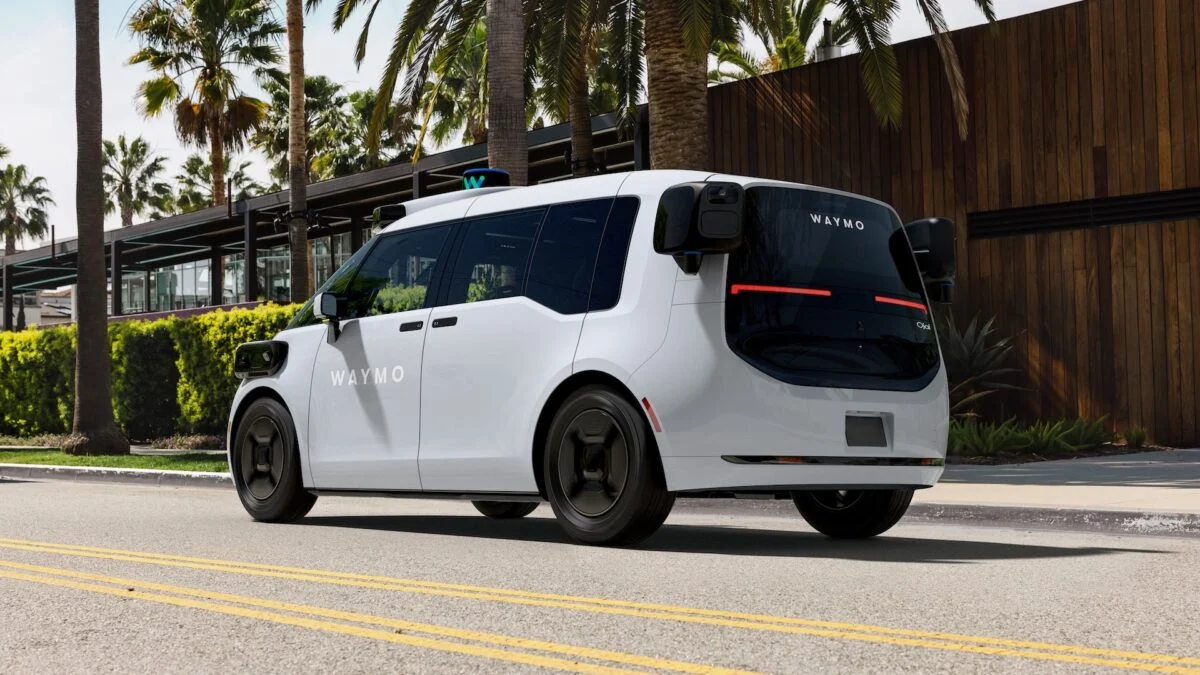
In the bustling streets of San Francisco, a new wave of robotaxis slides through the traffic, their sleek designs a trademark of innovation. Today, Waymo has declared that its employees and select guests can experience rides in vehicles powered by its sixth-generation autonomous driving system. This latest incarnation of Waymo Driver is making its debut in Ojai robotaxis, built on platforms from the Chinese automaker Geely.
“This latest system serves as the engine for our next era of expansion,” claims Waymo Vice President of Engineering, Satish Jeyachandran, in a recent blog post. His words reflect a commitment to not only innovation but also to safety, showcasing a streamlined configuration that drives down costs while keeping robust safety standards intact.
Waymo’s sixth-generation system utilizes updated sensors, including a 17-megapixel imager that captures millions of data points. Imagine having a panoramic view around your vehicle with significantly fewer cameras than before—this is what Waymo is banking on. It combines affordability with efficiency, introducing advanced lidar and radar sensors designed to tackle a variety of driving conditions, even those unexpected snow flurries.
For now, this innovative system is compatible with Ojai taxis and Hyundai Ioniq 5 SUVs. Meanwhile, the seasoned Jaguar I-Pace vehicles will continue on their fifth-generation tech, following the delivery of their final units last year.
Waymo’s aspirations are ambitious; the company aims to ramp up production in its Phoenix factory, targeting tens of thousands of vehicles each year. It’s a race against time as Waymo seeks to expand its presence in new cities this year.
How Many Cities Will Waymo Expand Into?
Currently, Waymo operates its robotaxi service in San Francisco, Austin, Phoenix, Atlanta, Los Angeles, and Miami. But that’s just the beginning. The company has plans to expand its service to 20 new cities this year, including bustling metropolises like Tokyo and London.
What Are the Benefits of Waymo’s New System?
The updates don’t come without challenges. Recently, the company has found itself under the microscope of federal regulators. The National Highway Traffic Safety Administration (NHTSA) has initiated a probe following an incident where a Waymo robotaxi hit a child near a Santa Monica elementary school. Waymo reported that the vehicle reacted promptly, braking from about 17 miles per hour to under 6 before making contact.
The NHTSA, in its inquiry, is investigating whether Waymo maintained appropriate caution, especially in such a sensitive area filled with young pedestrians. Additional scrutiny arose when separate reports indicated that some Waymo vehicles failed to stop for school buses—all challenges that come with the territory of autonomous driving.
As Waymo marches forward in its ambitions, the question lingers: Is the promise of autonomous freedom worth the scrutiny it faces on the road? What do you think?