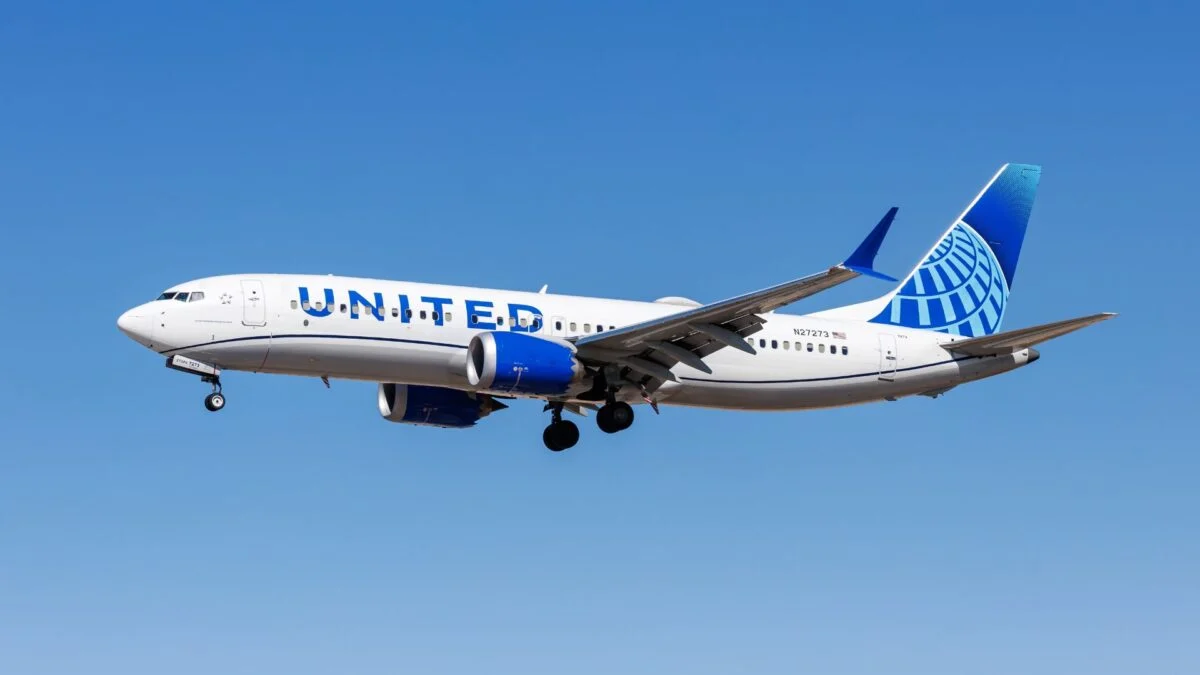
I was on a late-night flight when the captain’s voice cut through the cabin: a mechanical issue, an unscheduled landing. You felt the plane slow, and a tiny part of your trust in the system slid away. That quiet unease is exactly what a new DOT Office of Inspector General report says arises when oversight stretches too thin.
An inspector opens a spreadsheet and sees more aircraft than people.
I read the OIG’s findings and felt the numbers land like an audit on a kitchen table: the United Certificate Management Office has four inspectors assigned to oversee a fleet that includes more than 520 Boeing 737s. That ratio technically fits FAA staffing rules, but the report makes plain that ticking boxes is not the same as delivering continuous safety surveillance.
Why does the OIG say FAA oversight is insufficient?
The watchdog’s review—launched after in-flight engine shutdowns and emergency landings—says the FAA lacks enough inspectors, hasn’t fully acted on five recommendations issued in 2019, and still leaves staff without the training to interrogate airlines’ safety management system data. I call this a management gap: rules exist, but the muscle to apply them properly is frayed.
A desk littered with uncompleted inspection requests sits beside an empty office chair.
Inspectors report heavier workloads, higher turnover, and vacancies that drain institutional memory. When on-site checks were impossible, some inspections were done virtually instead of postponed—against FAA guidance—because there simply weren’t enough boots on the ground. That choice is understandable and unnerving at once, like a surgical team short a scalpel.
How many FAA inspectors monitor United’s fleet?
Four inspectors are primarily assigned to the United CMO for the 737 program, with staff from other aircraft programs asked to shoulder the overflow. The watchdog says this staffing model raises risks: rotating personnel and ad-hoc support erode expertise and reduce the likelihood of catching subtle maintenance patterns before they escalate.
A stack of official recommendations waits under a fluorescent light.
The OIG issued six recommendations, including a plan to address staffing shortages and clearer policies about postponing inspections. The FAA agreed with five recommendations and only partially concurred with the one calling for a formal postponement policy, saying existing guidance covers it but admitting that management emphasis could be stronger.
What did the OIG recommend?
In short: build a staffing plan for the United CMO, complete the outstanding 2019 fixes, train inspectors to use safety-management data, tighten inspection policies, and improve recordkeeping and knowledge retention. The FAA’s partial response leaves a single recommendation dangling, and the OIG flagged that as a meaningful gap in follow-through.
I pressed the usual players for comment. The FAA did not immediately respond to press queries, and United Airlines said it supports more FAA resources, works with regulators daily, and maintains its own internal safety systems. Boeing and industry platforms like safety-data analysis tools are central to this conversation—if the regulator can’t interrogate the data, those platforms only help the airlines, not the public.
You should care because oversight is the difference between an incident and an emergency. The watchdog’s portrait is clear: management offices that look compliant on paper but hollow at the seams invite risk, and the FAA’s scrutiny right now resembles a flashlight with dying batteries. Will that be acceptable the next time a warning light comes on mid-flight?