I was scrolling through filings when Tesla’s complaint hit my feed. You feel the charge: a company name, a regulator’s ruling, and a legal fight that smells like reputation on the line. I want to tell you what that fight means for drivers, regulators, and the brand you either trust or distrust.
What I saw in the filing
The complaint landed in Los Angeles County on Feb. 13 and it reads like a direct challenge to the California Department of Motor Vehicles. Tesla says the DMV wrongfully and baselessly labeled the company a false advertiser for using the names Autopilot and Full Self-Driving for its advanced driver-assistance systems (ADAS).
Here’s the spine of the argument: Tesla argues consumers are not misled, that the labels are industry branding that reasonable buyers understand, and that the DMV denied Tesla proper process during hearings. The company filed in California because of its large workforce there and the Model Y’s dominant sales — facts Tesla cites to explain why the state court is the right venue.
What changed in Tesla’s marketing — and fast
You can watch the labels shift in public-facing pages and product menus if you follow Tesla closely.
Until recently, Tesla sold systems under the names Autopilot and Full Self-Driving. After the DMV action, Tesla amended the public name to Full-Self Driving (Supervised), then moved again in January: Autopilot disappeared from the equipment list and FSD (Supervised) ceased to be a standalone purchase. Instead, Tesla now pushes a subscription option priced at $99 per month (€92 per month).
Is Tesla’s Autopilot actually self-driving?
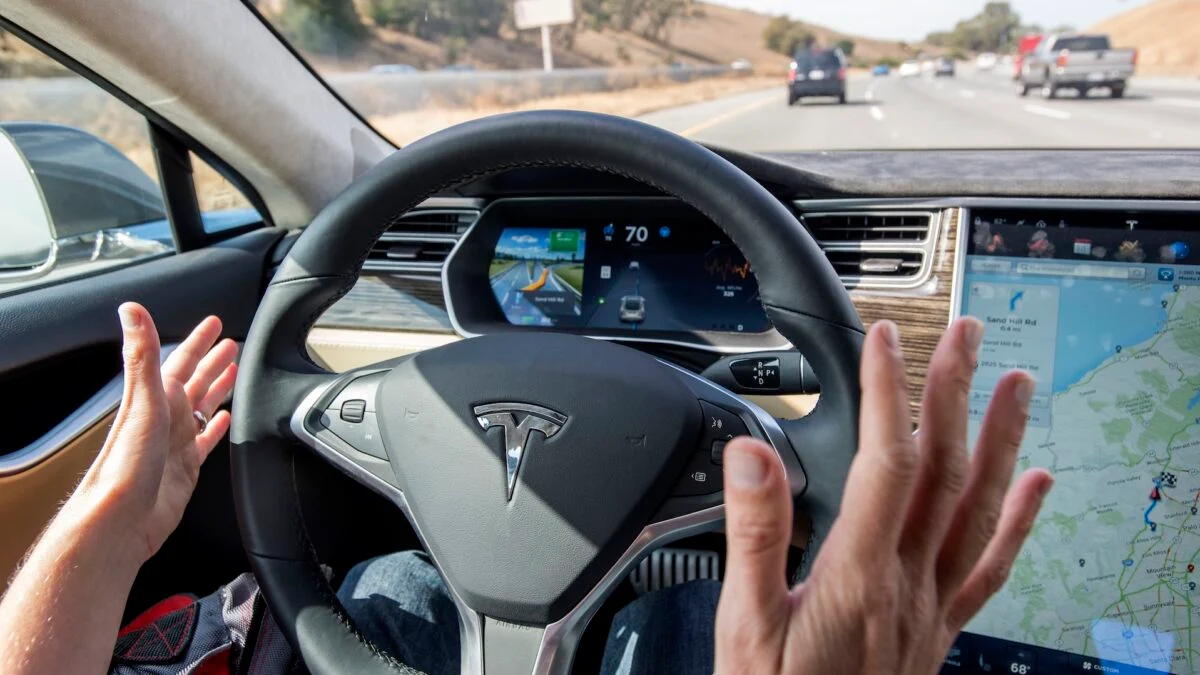
If you ask me, the plain fact is no consumer Tesla sold with these ADAS packages is a true autonomous vehicle. Regulators like the California DMV and federal agencies have repeatedly distinguished between driver-assist tools and autonomous systems. Tesla’s claim isn’t that their cars drive themselves without supervision — their filings emphasize supervision — but the label matters because words create expectations.
Why the name matters to you and regulators
On the street, a name can change behavior as surely as a rule of the road.
Names do psychological work: they create mental shortcuts, set expectations, and guide how drivers use a system. For regulators, that matters because misuse or misunderstanding can risk safety and public trust. The Autopilot label, in Tesla’s hands, became a velvet rope around a product identity — inviting some buyers to assume more capability than the tech actually delivers.
How Tesla frames its legal case
The complaint reads like a precise, technical rebuttal aimed at undoing a reputational ruling.
Tesla insists the DMV’s finding of false advertising is wrong and procedurally flawed. The company points to prior court decisions it says support its right to market ADAS under brand names, and it argues consumers can reasonably parse marketing copy. You’ll also see the company lean on public perception: with the Model Y selling heavily in California, Tesla argues any sanction would be disproportionate to the label dispute.
Can California actually suspend Tesla’s license over advertising?
The DMV initially threatened a suspension but then said Tesla would avoid that penalty after it changed some marketing. Still, the agency’s ability to punish is real: state regulators can bar sales or impose fines when they find violations of consumer-protection rules. Tesla’s suit presses that the DMV overstepped and that the remedy was unnecessary after Tesla adjusted its messaging.
Players and platforms that matter
CNBC, Plainsite, the California DMV, and federal safety bodies are all in play.
Reporters at CNBC and court-archive sites such as Plainsite made the filing public; regulators and safety agencies including the NHTSA are background authorities you should watch. Elon Musk’s public commentary and Tesla’s own investor statements will shape how the market and consumers react.
What I’m watching next
There will be hearings, filings, and likely a public messaging war — that’s the pattern we’ve seen before in high-profile tech-regulatory fights.
Tesla’s complaint is surgical; it reads like a legal scalpel aimed at reversing a reputational ruling rather than a wholesale rewrite of consumer expectations. The DMV’s next moves will test whether regulators can hold branding to account without chilling marketing across the industry.
So where does that leave you as a driver or observer: with a clearer label but the same difficult judgment about how much automation to trust, or with a precedent that reshapes how companies name features for decades to come?