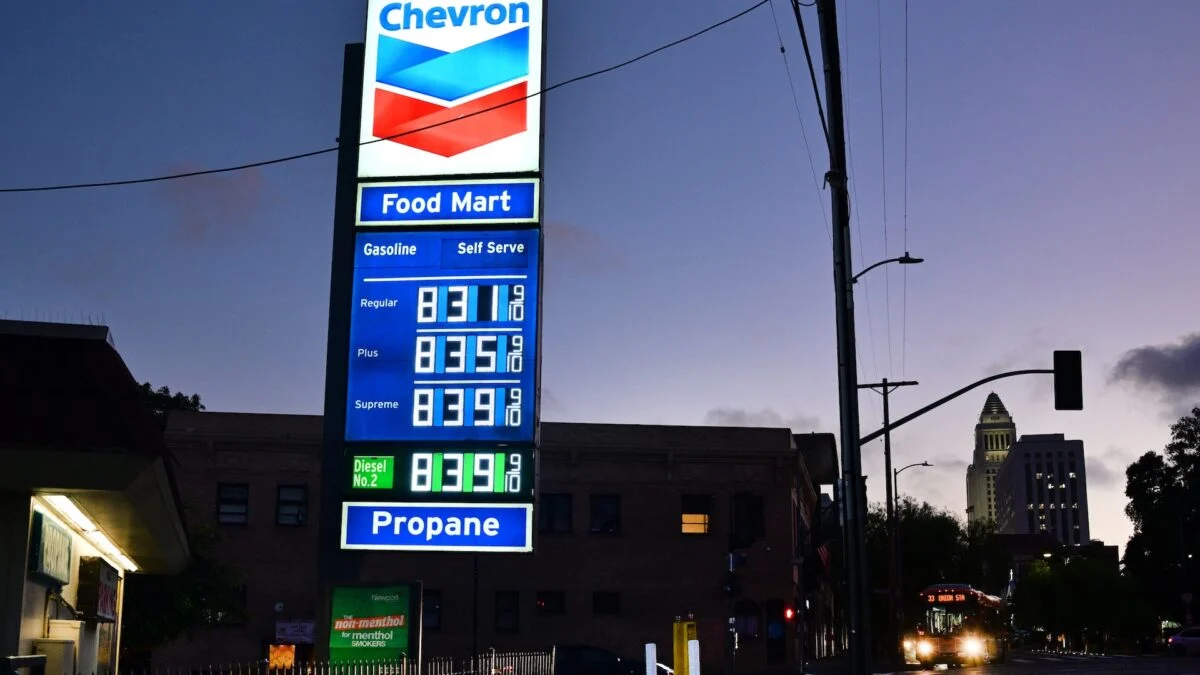
I was at the pump when the reader blipped higher and I felt my wallet shrink. You watch the numbers climb and realize this is not a momentary nuisance but a policy problem arriving at your driveway. The country is asking: who will act and who will pay?
At the corner station the sign flashed $3.53 a gallon — The immediate shock to your budget
AAA reports the national average rose to $3.53 (€3.25) per gallon on Tuesday, up from $2.90 (€2.67) just a month earlier. I watch people tighten their grip on credit cards; you probably notice different trade-offs in your weekly errands. The jump has a ripple effect — groceries, deliveries, commuting costs — and that ripple is what lawmakers are racing to answer.
Will a gas tax holiday lower prices at the pump?
Democratic Senators Mark Kelly and Richard Blumenthal have introduced the Gas Prices Relief Act, which would temporarily suspend the federal gasoline tax of 18.4¢ per gallon ($0.184; €0.17) through October 1, 2026. Rep. Chris Pappas intends to carry a companion bill in the House. Their pitch is simple: shave a per-gallon amount off the bill at the pump and give households immediate relief.
But you should know the snag everyone cites — there’s no legal mechanism forcing refiners or retailers to pass the tax cut entirely to drivers. California’s Gov. Gavin Newsom argued suspending the state tax would largely benefit oil companies, pointing to reporting from Florida after its tax holiday that suggested big portions of the cut weren’t passed to consumers. That kind of pass-through failure is the reason some governors and Republican lawmakers are skeptical.
At the Senate hearing microphones the Gas Prices Relief Act was explained — What the bill would do
The bill’s core is straightforward: pause the federal 18.4¢ per gallon gasoline tax and the 24.4¢ per gallon diesel highway user fee (federal diesel number shown where relevant) for the bill’s duration. Blumenthal framed it as relief from the costs tied to the war with Iran; he blamed the administration’s choices for sending prices higher.
I pay attention when senators attach a political story to a fiscal fix. You should too: relief toggles political pressure, but the legislative mechanics determine whether savings reach your tank or corporate ledgers.
How much would a federal gas tax holiday save drivers?
At 18.4¢ ($0.184; €0.17) per gallon, a typical 12-gallon fill would save about $2.21 (€2.03) per stop. If you commute daily and fill twice a month, you’re looking at roughly $26.50 (€24.38) in direct savings per month — not life-changing, but noticeable. State taxes add another layer: Connecticut’s proposal discussed suspending a 25¢ gasoline tax ($0.25; €0.23) and a 48.9¢ diesel tax ($0.489; €0.45), while Pennsylvania’s senator proposed pausing 57.6¢ ($0.576; €0.53) for gas and 74¢ ($0.74; €0.68) for diesel for 60 days.
That arithmetic says the federal pause would offer measured relief, but it’s small relative to a wholesale price spike — and the likelihood that retailers could retain some margin is what makes many officials nervous.
At the state capitol the conversation split — Local proposals and political pushback
Several governors and state legislators have floated their own holidays. Connecticut’s Gov. Ned Lamont suggested suspending state gas and diesel levies. Pennsylvania’s Lisa Boscola proposed a short-term suspension to provide a 60-day window of relief. But other leaders are saying no.
Newsom publicly rejected a tax-suspension approach for California, arguing the state’s fixed levies are unrelated to market price spikes and warning the benefit wouldn’t necessarily reach drivers. On the Hill, Republican Sen. Shelley Moore Capito said lawmakers would take the president’s cue — and President Trump’s public messaging has been inconsistent, which keeps the policy outcome uncertain.
At the mouth of the Strait of Hormuz tankers stalled — How the global squeeze turned domestic pain into political theater
Shipping traffic through the Strait of Hormuz has slowed; CNN reported Iran began laying mines and shipping firms asked the U.S. Navy for escorts. That choke has global consequences because roughly one-fifth of the world’s oil transits the Strait. When that flow tightens, markets move fast.
Energy Secretary Chris Wright’s brief tweet claiming the Navy escorted a tanker caused oil to drop to about $77 (€71) per barrel before he deleted it; prices later rebounded to roughly $88 (€81), after a high near $100 (€92) earlier in the week. The mix of unclear military posture and raw market sensitivity turned headlines into volatility — and consumers into voters watching gasoline signs like a slot machine.
At the end of the day policy will decide who pays — The choices you and I should watch
I follow the politics so you don’t have to guess where the extra penny or two actually goes. A federal holiday would cut a fixed per-gallon line item, but it won’t fix supply disruptions or compel private-sector pass-through. State holidays can give targeted relief but create budget gaps for transportation projects unless lawmakers find offsets.
The Strait’s disruption is a supply shock; the tax holiday is a political lever. Together they make a policy test: can Washington and the states coordinate to produce real relief, or will this be a messaging exercise that leaves the market to do the heavy lifting?
I’ll be watching how the administration balances military signals and economic promises — and you should too — because the final decision will determine whether the relief reaches your next fill-up or disappears into company margins, so who gets the benefit when the government flips the switch?