
It was a blink on my feed: two four-second clips from the White House, one gone ninety minutes later. I rewound the videos until the audio snapped back into focus, and the room of strangers online turned into a hall of whispered theories. Within an hour the clips had become a riddle with a million solvers but no answer.
I’ll walk you through what happened, what people are asking, and the few facts that actually matter. You’ll get a clear read on the signals and the noise — and a short list of plausible explanations so you can decide how worried you should be.
A cameraphone on the floor at 9:15 p.m. ET
The first clip looks amateur and intimate: low-angle, four seconds, a woman’s pointed black shoes in frame, a voice asking, “it’s launching soon, right?” and a clipped “yes” in reply.
That video went up on X and Instagram around 9:15 p.m. ET and disappeared about 90 minutes later. The deletion is the signal that does more work than the clip itself.
Was it an accidental upload by a staffer? A teaser? Or a private conversation leaked publicly? The options move fast from human error to deliberate messaging, and the difference matters.
Strange video posted earlier by the White House on X, possibly accidentally, in which a female individual, potentially Press Secretary Karoline Leavitt, can be heard saying, “It’s launching soon right?” pic.twitter.com/D3XUhUNxAQ
— OSINTdefender (@sentdefender) March 26, 2026
A brief flag flash and an iPhone ding at 10:00 p.m. ET
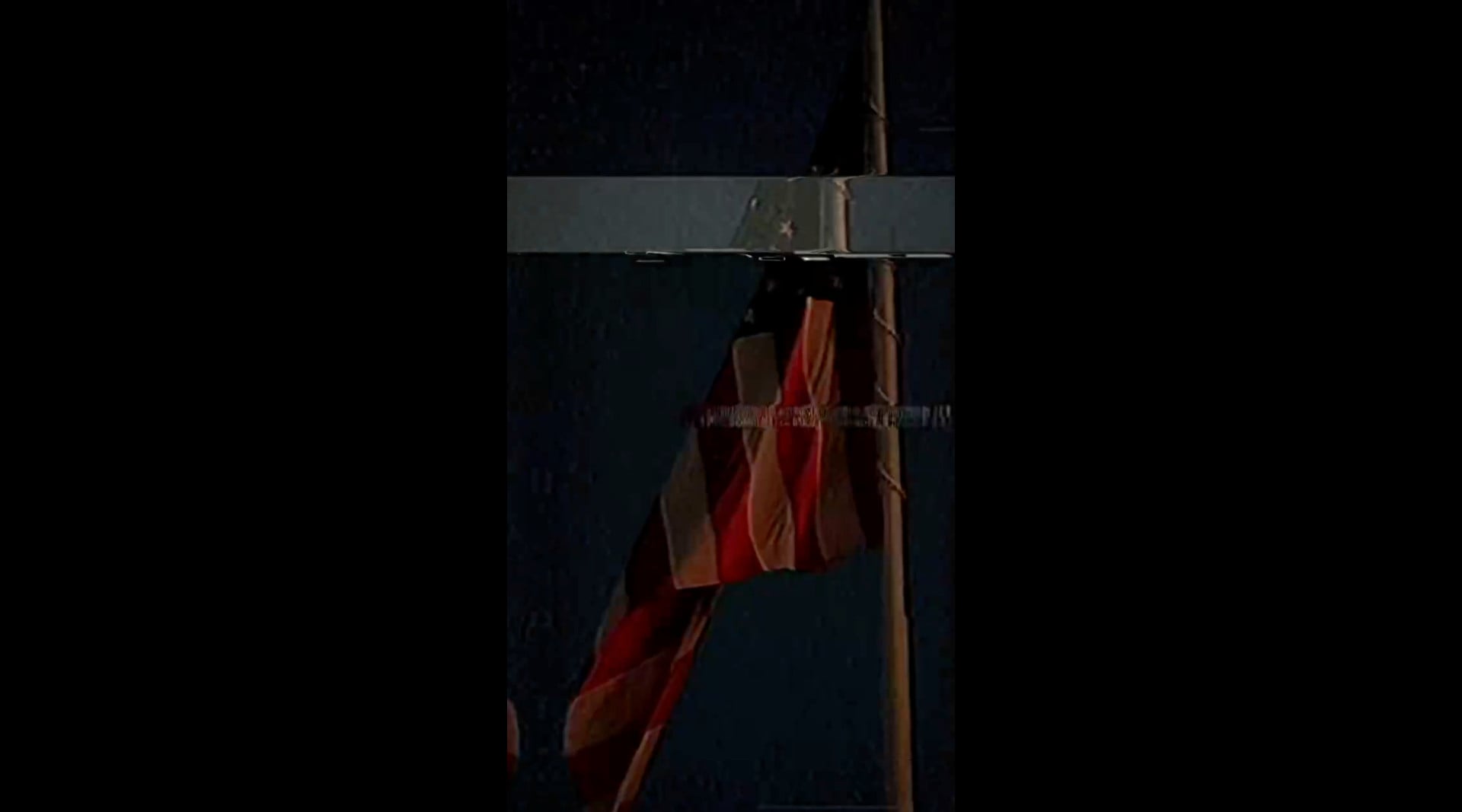
The second clip ran at roughly 10 p.m. ET: four seconds, an iPhone text tone, a single frame of an American flag and glitch textures. Caption: two emojis — a smartphone and a speaker.
That short, blunt clip has now been viewed more than 15 million times on X. It spread because it’s easily misread: an alert, a tease, or a public taunt. The White House account published it; people projected agendas on top of it.
— The White House (@WhiteHouse) March 26, 2026
What did the videos mean?
The simplest answer: we do not know. The clips contain no explicit policy announcement, no timestamped directive, and no named program. What they do contain are signals designed for a particular audience — people who read the White House’s social feed as a messaging channel rather than a government bulletin.
Was this an accidental post or a deliberate tease?
Both are plausible. A human error explains the first clip’s deletion; a deliberate tease explains the second clip’s viral life. The two options feed different fears: embarrassment versus strategic provocation.
A rumor that spread like wildfire on X and away from context
RT and a host of fringe accounts ran with the worst interpretation — “nuke launching soon” — and the phrase metastasized before many users had watched the four seconds that made the claim absurd. Disinformation exploits people’s impulse to react faster than they read.
When a foreign outlet amplifies panic, the original clip doesn’t need to say anything about nuclear weapons to produce fear. Viral narratives are often louder than facts, and that’s where you should keep your guard.
An institutional pattern you already know
The White House’s social channels have a history of provocative, sloppy, and sometimes offensive posts — everything from Border Patrol’s past Instagram missteps to the Department of Homeland Security’s music choices that drew criticism. The current administration’s channels often reward provocation with attention.
That pattern matters because it changes how to read a short, cryptic post. Is it an attempt to troll opponents? A test of an alert mechanism? A rehearsal for a larger campaign? The history nudges us toward cynicism.
A short list of plausible explanations
A mistake by staff: someone uploaded an internal clip or a draft to the public account, then removed it.
A teaser for a new communications product: governments and campaigns test SMS/text alert services; the phone-and-speaker emoji could point to that.
A targeted provocation: a political team posting content meant to rile a base or bait opponents. When that happens, meaning is less literal and more theatrical, like a wink from a masked performer.
An intentional leak intended to signal partners or adversaries: rare but not impossible, where a tiny public gesture carries a private message.
Should you be worried about an imminent military action?
Short answer: no credible evidence in the clips supports the claim of an impending nuclear strike. If a real alert were coming, official channels would use formal civil-defense systems and military briefings, not four-second Instagram reels. Panic spreads faster than verification.
A note on context: energy markets and the Iran War
Gas prices are one concrete place policy meets daily life. The national average for a gallon of gas sits at $3.98 (€3.66); before the Iran War it was about $2.90 (€2.67). That gap is real, measurable, and why people care about signals from the White House.
Political theater can move markets. An image or tone-deaf post won’t change fundamentals overnight, but it changes sentiment, and that matters to traders, reporters, and voters alike.
How I’m watching this, and how you can
I track the primary sources: the White House X account, Instagram posts, and archived copies that resurface on OSINT feeds. I look for corroboration — matching posts from official channels, internal memos, or briefings — before giving a claim weight.
If you want to follow along: set alerts on X for the WhiteHouse handle, watch archival services that capture deleted posts, and follow reputable outlets rather than rumor amplifiers. Tools like CrowdTangle and the Internet Archive are useful if you want to trace how a post spreads.
Short videos that vanish invite stories; some are misfires, some are signals, and some are deliberate smoke meant to distract. Which of those happened here will shape how we read the next mysteriously timed post — and who benefits from the confusion?