I was two minutes from my gate when the baggage agent told me the price had changed. My heart sank as the math began: $10 here, $50 there — suddenly a weekend trip felt expensive. You feel that pinch the moment you reach for your wallet.
I follow the airline beat so you don’t have to sit through surprises at the counter. I’ll walk you through what’s changed, who’s protected from the increases, and why this matters for every ticket you buy this summer.
At the check-in desk, the fee became real.
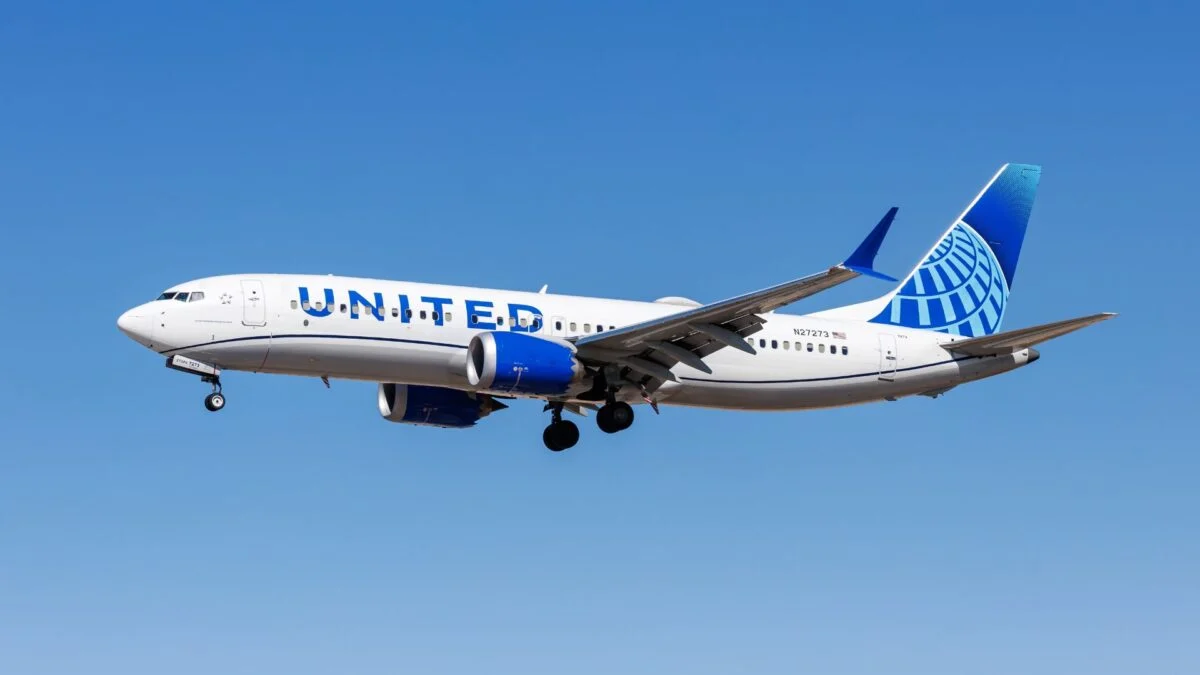
United Airlines confirmed this week that it is raising checked-bag prices for many routes: the first checked bag is now $45 (€41) when prepaid or $50 (€46) if you pay within 24 hours of departure. The second checked bag moves to $55 (€51) prepaid or $60 (€55) last minute. The third bag jumps by $50 to $200 (€184) whether you buy it in advance or at the gate.
United says the changes apply to U.S., Mexico, Canada and Latin America tickets bought on or after April 3. Certain travelers keep the perk: United Chase credit card holders, MileagePlus Premier members, active military, and people flying in premium cabins still get at least one checked bag for free.
Why are airlines raising baggage fees?
JetBlue pointed to “rising operating costs” when it raised its checked-bag price this week — the first bag for most domestic, Caribbean and Latin America economy flyers is now $39 (€36) off-peak (up from $35 / €32). Peak-period fees, covering much of summer and major holidays, rise to $49 (€45) from $40 (€37). If you wait until less than 24 hours before departure, there’s an extra $10 (€9) surcharge.
The lines between fuel, geopolitics and ticket pricing are short. Air France has already raised long-haul fares after jet fuel spiked, and Cathay Pacific added higher fuel surcharges, saying both crude oil and refinery costs jumped in recent weeks.
At the oil ticker, traders watched the strait close.
The Iran war has disrupted supply flows and even prompted temporary closures in the Strait of Hormuz — a chokepoint for Persian Gulf oil. That kind of interruption doesn’t just show up on financial news; it shows up at the pump and in airlines’ operating ledgers.
Cathay Pacific explained that jet fuel is a combination of crude and refinery pricing, and both pieces have increased. When jet fuel climbs, airlines face a margin squeeze unless they pass costs to passengers — or cut capacity or routes.
How much will I pay for checked bags now?
Short answer: more. Between United and JetBlue, most economy passengers who used to pay $35–$40 for a first bag are seeing that number nudge toward $39–$49 (€36–€45) depending on seasonality and timing. Third-bag fees can be punitive — United’s $200 (€184) level is an example of how quickly fees compound.
At the grocery aisle, the ripple felt personal.
This is not just about airlines. Amazon told third-party sellers it will add a temporary surcharge because oil-driven freight costs are rising — a pass-through that can hit prices on the platform.
You should think of these moves as a system-wide pressure change: fuel spikes lift more than just pump prices; they lift the cost of moving things, people, and time. Like a rising tide, the increases lift many boats — and some sink faster than others.
Is the Iran war causing higher fees?
Direct causation is messy, but timing and statements from carriers point to a link. JetBlue cited operating costs; Air France and Cathay tied moves explicitly to jet fuel. IATA and airline CFOs frequently warn that fuel volatility forces quick pricing decisions — either through surcharges, fare increases, or ancillary-fee hikes.
Investors and airline management watch fuel and hedging closely, and when oil spikes, carriers without sufficient hedges feel the pressure immediately. That creates a short runway between market shock and consumer sticker shock.
At the gate, the choices are yours.
You can carry on to avoid the fees, pay for loyalty credit cards that waive bags, or accept the new math while ticket prices and surcharges keep shifting. I look for patterns and tell you which moves actually save money.
If you fly often, check which fares include bags and whether your co-branded card still covers you. If you fly rarely, factor the new fees into any weekend pricing decision — the add-ons matter as much as the base fare now.
Airlines, governments, and sellers are all adjusting to a market that just turned more expensive. The question is whether these increases are temporary or the start of a new baseline — and what you will do the next time you pack a bag?