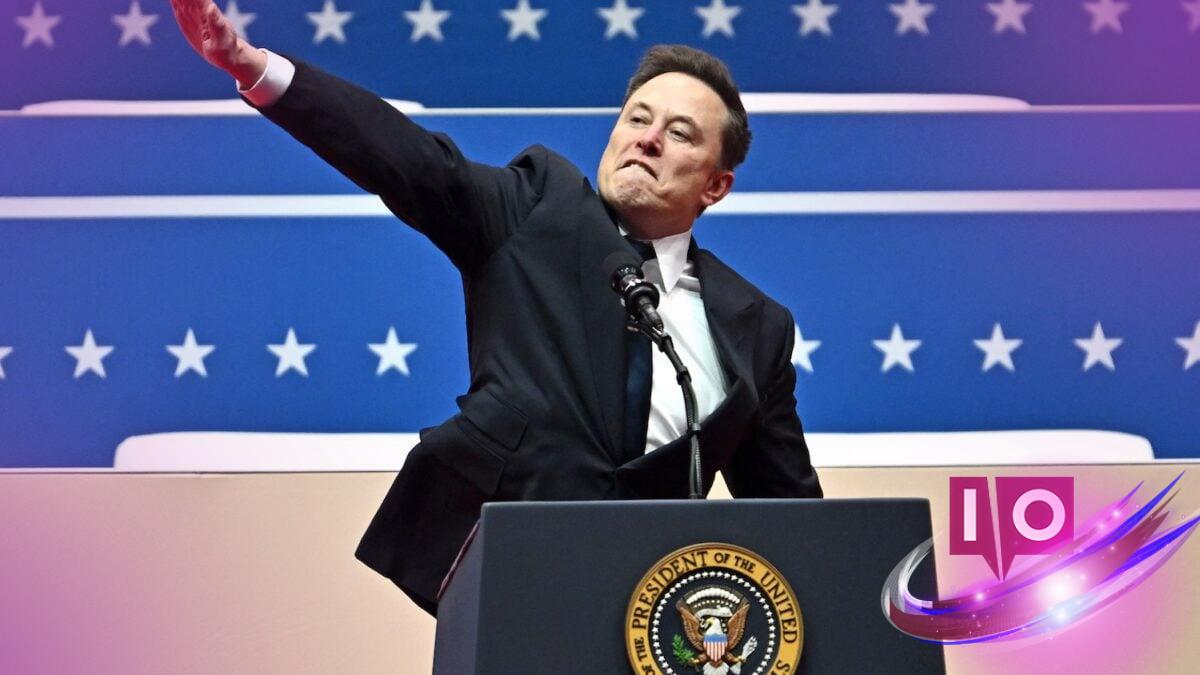
The ongoing tension between Elon Musk and the Anti-Defamation League (ADL) has reached new heights, captivating the public’s attention. After Musk controversially defended his actions during a historic event by calling the ADL a hate group, discussions about extremism and the role of social media in amplifying hate speech have become more pertinent than ever.
This issue not only touches on matters of free speech but also engages with the complex relationship between major platforms like X (formerly Twitter) and public discourse. Given Musk’s significant influence as the CEO of Tesla and SpaceX, understanding his interactions with various social organizations, like the ADL, is crucial.
1. What Did Elon Musk Say About the ADL?
In a tweet, Musk stated, “The ADL hates Christians, therefore it is a hate group” in response to criticism and discussions surrounding the ADL’s views on extremism. This statement reflects his view that the organization is biased against a significant religious group, which has sparked a wide range of reactions.
2. The Context Behind Musk’s Statements
Musk’s remarks were made after a social media account suggested that the ADL labeled Christianity as a “hateful terrorist extremist belief.” This tweet led Musk to defend a controversial gesture he made during an inauguration event, which was akin to a Nazi salute. His justification for such actions has drawn widespread condemnation and debate.
3. What is the ADL’s Position?
The ADL responded to Musk’s assertions by clarifying that many of their staff and supporters are Christians, emphasizing their commitment to fighting against antisemitism and hate in all forms. Their CEO, Jonathan Greenblatt, firmly rejected Musk’s accusations as “offensive and wrong,” highlighting the difference between Christian Identity extremism and mainstream Christian beliefs.
4. Why is This Debate Important?
This discussion underscores the growing concern about the spread of extremist ideologies on social media platforms. The ADL has long advocated for responsible online behavior, especially as X has faced scrutiny for allowing hate speech to proliferate under Musk’s leadership.
5. How Are Public Reactions Shaping This Debate?
Reactions to Musk’s remarks and the ADL’s responses have been varied. High-profile individuals, including politicians and commentators, have weighed in, with some accusing the ADL of targeting Christians unfairly. This reflects a broader societal divisiveness regarding issues of hate and extremism.
What does Christian Identity ideology entail? Christian Identity is a far-right belief system that sees Jews as the offspring of Satan and promotes racism. The specifics of this ideology have been extensively documented by organizations like the ADL. It’s essential to differentiate this extremist view from broader Christian beliefs.
How has X changed under Musk’s leadership? Since Musk’s acquisition, there has been a notable shift in content moderation policies, leading to an influx of previously banned hate groups gaining visibility. This change raises critical questions about accountability and social responsibility on digital platforms.
What are the consequences of such rhetoric? Musk’s dismissal of the ADL’s role as a hate monitor can embolden extremist groups, leading to increased online aggression and real-world ramifications. Understanding these dynamics is crucial for anyone navigating today’s complex information landscape.
As we delve deeper into the implications of Musk’s statements and the ADL’s stance, it’s evident that the conversation surrounding hate speech, extremism, and social media will continue to evolve. As users of these platforms, we hold a collective responsibility to foster respectful dialogue and recognize the impacts of our words.
If you’re interested in exploring more about how social media influences public opinion and shapes our world, visit Moyens I/O for further insights and analyses.