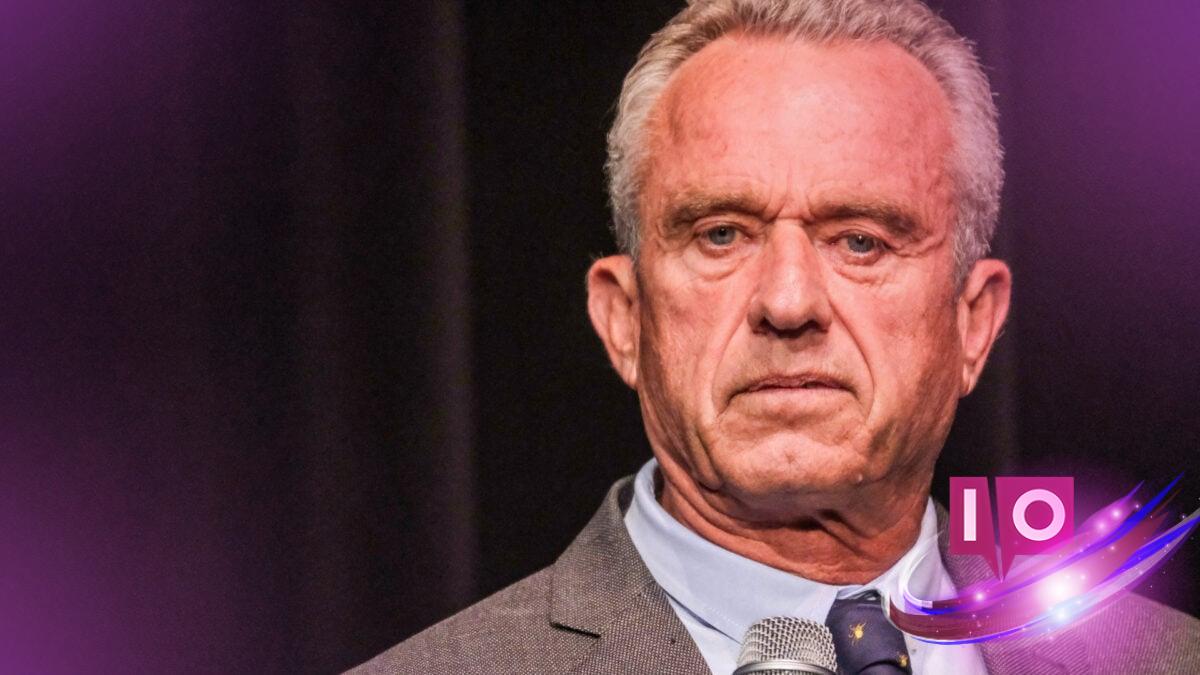
In a striking shift in public health policy, Robert F. Kennedy Jr. has made headlines since his appointment to the Department of Health and Human Services by President Trump. His decisions regarding vaccinations and other health protocols have sparked significant controversy, leading to questions about his qualifications and intentions.
As a health czar, Kennedy has strayed from traditional public health wisdom, often prioritizing ideology over established science. Many healthcare professionals are concerned about the implications of his decisions for public health in the United States.
Unprecedented Changes Under Kennedy’s Leadership
Since taking office, Kennedy has implemented numerous contentious policies, notably targeting the agency’s vaccine initiatives. Earlier this year, he dismissed thousands of employees from the HHS, and recently, prominent figures, including the director of the CDC, stepped down, citing disapproval of his policies.
Growing Concerns From Health Professionals
Reflecting rising discontent, six former U.S. Surgeons General published an op-ed in the Washington Post, articulating their fears over Kennedy’s approach. They underscored that his directives represent a “profound, immediate, and unprecedented threat” to national health.
“Over recent months, we have watched with increasing alarm as the foundations of our nation’s public health system have been undermined. Science and expertise have taken a back seat to ideology and misinformation…”
Public Response to Kennedy’s Vaccine Policies
Many ex-health leaders have criticized Kennedy particularly for his views on vaccines. An example of his stark departure from established public health practices emerged this year when he downplayed vaccination efforts during the worst measles outbreak in over 30 years. His redirection of agency resources towards unproven therapies contributed to a situation resulting in three preventable deaths.
More recently, Kennedy made headlines by completely overhauling the Advisory Committee on Immunization Practices, replacing seasoned professionals with individuals lacking the necessary medical qualifications. This new committee has already begun casting doubt on established vaccines.
Wider Calls for Action Against Kennedy
Organizations across the healthcare spectrum have voiced their concerns about Kennedy’s capability to lead effectively. For instance, over a thousand HHS employees signed a letter urging President Trump to reconsider Kennedy’s position, citing potential risks to “the nation’s health.”
Prominent psychiatric organizations have echoed these sentiments, labeling Kennedy’s management as unfit for the role, particularly regarding the Substance Abuse and Mental Health Administration’s budget cuts, which they argue could endanger lives.
What’s Next for the HHS?
With increasing scrutiny surrounding Kennedy’s directives, many are left wondering: what will the future hold for the Department of Health and Human Services? It remains to be seen how these mounting pressures will influence his approach moving forward.
What can be done to restore trust in public health leadership? Repairing the damage caused by controversial decisions may require a leader who prioritizes scientific integrity and transparency, two essential components for effective public health governance.
Is there a growing fight against misinformation in health policy? Many advocate for stronger public health strategies to combat misinformation and uphold the validity of scientific evidence.
How has the public’s perception of vaccines evolved during Kennedy’s tenure? Many in the medical community worry about the long-term implications of his leadership on vaccination rates and public health safety.
If you’re interested in understanding the complexities of health policy, keep exploring! There’s much to learn about how decisions made today may shape the health standards of tomorrow. Check out more at Moyens I/O.