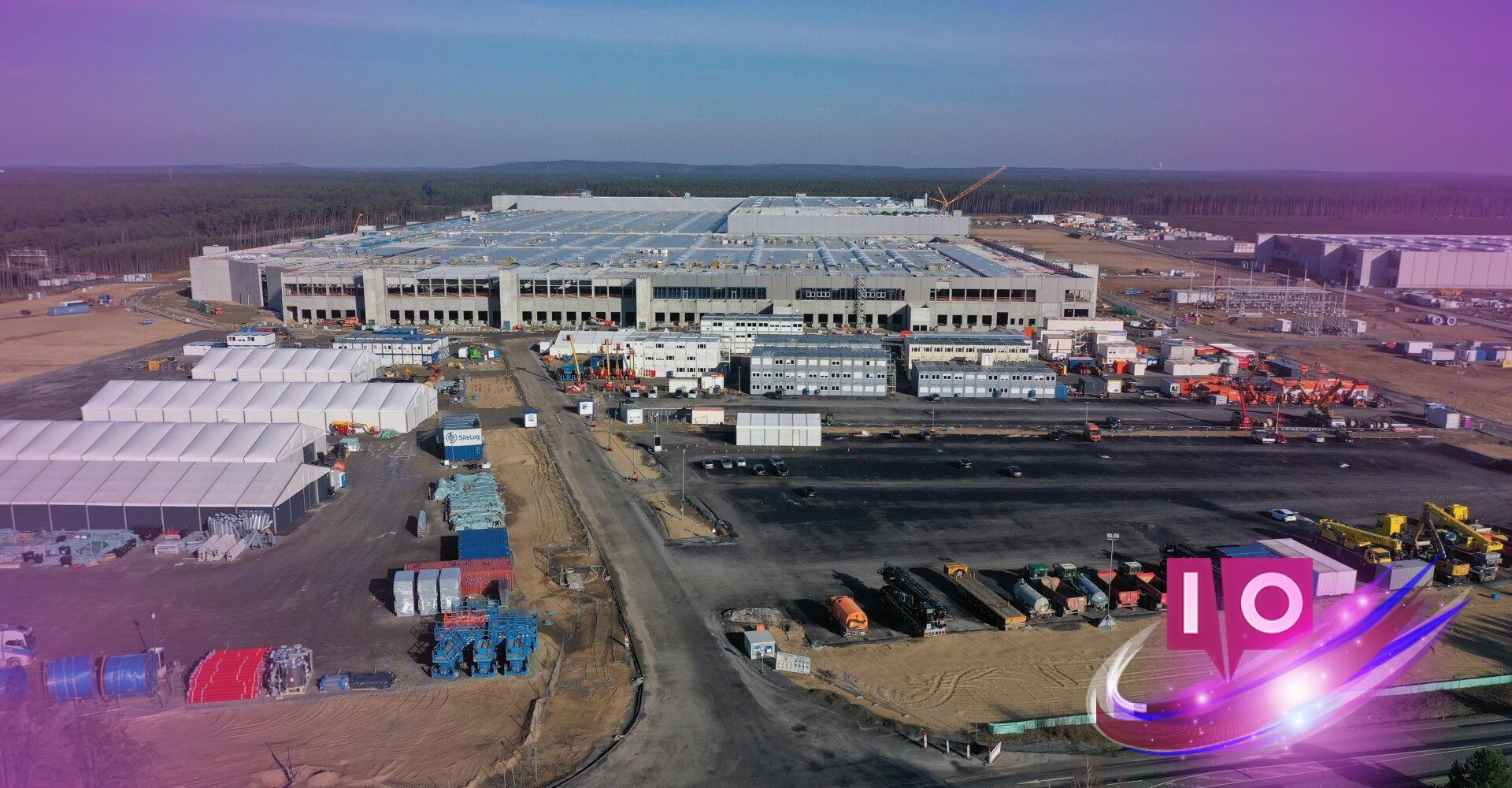
Tesla’s recent decisions have raised eyebrows, particularly regarding the company’s approach to its employees. While Elon Musk’s controversial personality seems to be a major asset—leading shareholders to welcome him as a potential trillionaire—the reality for many employees appears starkly different. If you’re just an everyday worker at Tesla, your value may not be perceived in the same way. This disparity is evident in a recent lawsuit filed by a former employee that brings into question Tesla’s treatment of workers with disabilities.
Hans Khols, a former employee at Tesla, has initiated legal action against the company, claiming wrongful termination under federal law. Khols, who is deaf, was hired through Tesla’s START internship program, which was intended to onboard candidates as full-time equipment technicians. According to the lawsuit, Khols’ interviewers were aware of his hearing impairment when he joined the team. However, his assigned work environment—the Casting Department—proved to be exceptionally challenging for him. The extreme heat there caused his hearing aids to malfunction, making it difficult for him to hear crucial safety signals.
What Are the Conditions of Tesla’s Casting Department?
The Casting Department at Tesla is no ordinary industrial workspace. It employs high-pressure die-casting machines that reach temperatures of approximately 1,220°F (660°C). These extreme conditions not only affect equipment but also create barriers for employees with disabilities, as Khols experienced firsthand. The lawsuit outlines that Khols’ malfunctioning hearing aids posed a safety risk—not due to his disability, but because of the challenging environment in which he was working.
Did Tesla Fail to Accommodate Hans Khols?
In the lawsuit, it’s claimed that Khols had communicated his ability to work in hot environments but was left unaware of just how severe conditions would be in the Gigafactory. The complaint states that Tesla did not disclose critical information regarding the extraordinary heat and humidity that exceeded standard industrial levels. This vital omission meant that Khols could not reasonably predict that his hearing aids would malfunction.
Could Tesla Have Transferred Khols to a Different Department?
The lawsuit also highlights that Tesla had a legal obligation under the Americans with Disabilities Act (ADA) to reassign Khols to a more suitable position. Rather than facilitating this transfer, Tesla terminated his employment just nine days after he requested accommodation. Such actions raise questions about the company’s commitment to compliance with disability laws.
What Are the Implications of Khols’ Case?
Khols’ attorney, Andrew Rozynski, remarked on the troubling nature of the case. He asserted that Tesla let go of a qualified employee who merely sought a basic accommodation, thereby violating the ADA. The fact that Khols had proven his capability in various roles at the Gigafactory makes the termination even more concerning.
Have you ever wondered how companies should handle accommodations for employees with disabilities? Transparency and ethical practices are key. The ADA seeks to prevent exactly the kind of discrimination Khols experienced—a point that can’t be ignored, especially by a giant like Tesla.
Why is Tesla facing scrutiny regarding employee treatment? Recent reports indicate a broader conversation about workplace culture that questions how the company balances leadership personality with employee well-being. When the focus remains predominantly on charismatic leadership, essential employee rights can sometimes become overlooked.
What are the potential consequences for Tesla if they lose this lawsuit? A ruling against Tesla could set a precedent for similar cases and put pressure on the company to reevaluate its treatment of workers, especially those with disabilities. Such a court decision could also affect Tesla’s public image, leading to increased scrutiny from both the media and consumers.
In closing, it’s essential to proceed with awareness of how companies treat their employees, especially in high-stakes industries like electric vehicles. The case of Hans Khols is a powerful reminder of the ongoing demand for equity and respect in the workplace. Explore more insightful content and ongoing developments in the corporate world at Moyens I/O.