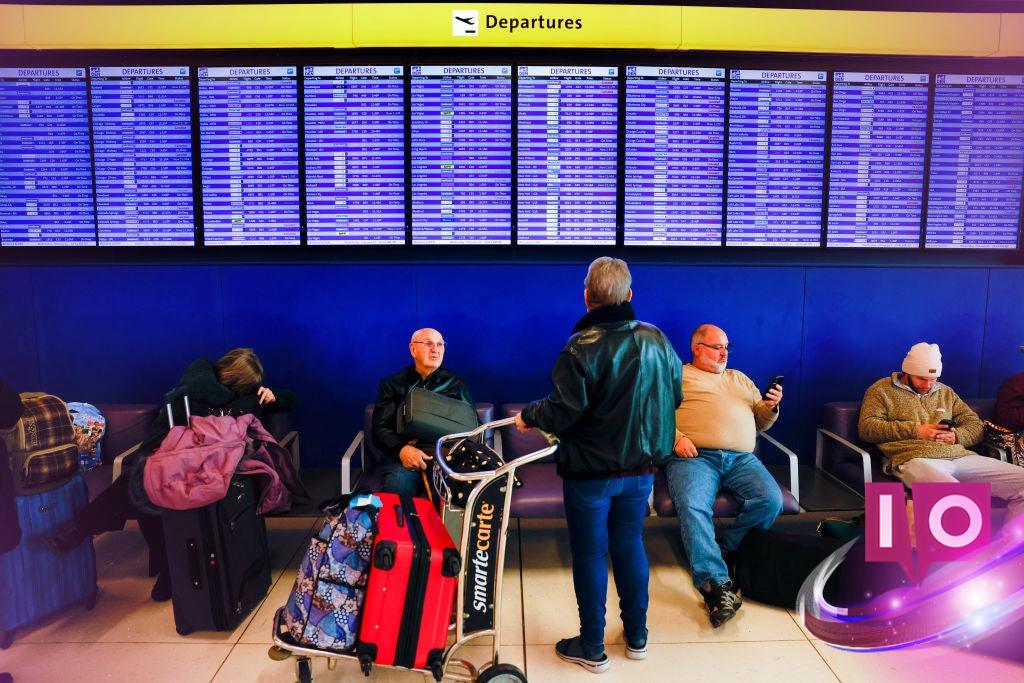
As we head into the busy holiday travel season, the recent government shutdowns that delayed nearly 10% of flights raise significant concerns for air travelers. Instead of implementing measures to restore consumer confidence in air travel, the Trump administration took a surprising step backward, proposing the elimination of a key rule established during the Biden era. This rule aimed to provide compensation for passengers affected by flight delays—essentially a lifeline for those caught in the web of airline disruptions.
According to a new filing from the Department of Transportation, the administration claims that it lacks the legal authority to mandate that airlines offer compensation to travelers. This argument is puzzling given that a standardized compensation framework would have incentivized airlines to improve their performance while holding them accountable to their customers.
Understanding the Importance of Airline Compensation
Why was the Biden-era rule crucial for passengers? It proposed compensation between $200 (around €190) and $775 (approximately €740) based on the duration of delays, along with guaranteed meals, lodging, and rebooking options for circumstances within airlines’ control. Such measures would have helped ensure that passengers felt secure and protected, transforming the customer experience in air travel.
The Free Market Approach: A Risky Gamble
Despite the illuminating potential benefits of the compensation rule, the Trump administration has opted for a free-market approach to air travel. They argue that allowing airlines to define their own compensation policies will stimulate competition among providers. However, without any minimum requirements, consumers are left vulnerable. The Department states that airlines can compete on the services they offer, yet this leaves the door open for varied policies that might not benefit passengers.
Industry Pushback and Consumer Impact
Airline industry groups claim that mandatory compensation could cost carriers up to $5 billion (approximately €4.7 billion) annually, suggesting that these expenses might be passed down to consumers through increased ticket prices. This raises the question: who really bears the brunt of airline service issues? It seems that passengers are often left holding the bag during systemic failures.
Do Airlines Currently Offer Any Compensation?
Before the Biden proposal, airlines did not typically provide cash compensation for delays. While some do offer vouchers for food or hotel accommodations during prolonged delays, these policies are inconsistent and often depend on the specific airline. Standardizing compensation would have promised a more equitable experience across the board.
What Does This Mean for Travelers?
With the repeal of the Biden-era rule, we are effectively returning to a patchwork system with no guarantees. This lack of accountability may lead to increased frustration among passengers, especially during the holiday season when travel is at its peak. The absence of compensation standards removes crucial protections for traversing airspace.
What should consumers do when faced with travel disruptions? Staying informed about your airline’s policies is essential. Always check the terms of service, and do not hesitate to ask for what you deserve, even if rules no longer mandate it.
What compensation can I expect if my flight is delayed? Depending on the airline, you may receive food vouchers, hotel accommodations, or other support, but cash compensation is not guaranteed under the current regulations.
What are the rights of passengers during flight delays? Rights vary by airline and region; familiarize yourself with your airline’s policy to ensure you know what compensation you may be entitled to.
Is it worth advocating for compensation from airlines? Absolutely. Consistent advocacy can lead to better standards and accountability, encouraging airlines to prioritize customer service.
What can I do if my airline does not provide adequate compensation? Document everything, including delays, communication with the airline, and receipts, then contact your airline to file a complaint or request compensation directly.
As consumers, we must remain vigilant in seeking quality service and accountability in our travels. While the latest regulatory changes may feel discouraging, staying informed and advocating for rights can empower you to navigate the complexities of air travel effectively. For further insights and updates on travel-related issues, feel free to explore more content at Moyens I/O.