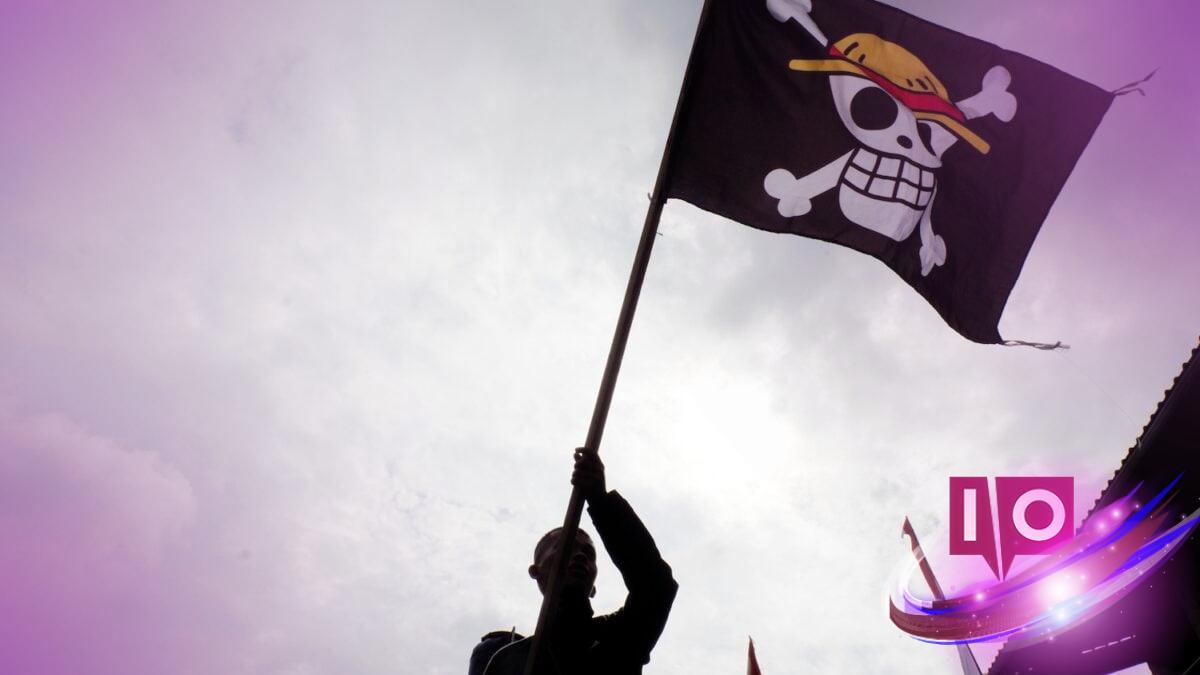
This weekend, Mexico witnessed an explosive wave of protests driven largely by Generation Z. A defining feature of these demonstrations? The striking presence of an anime flag adorned with a straw-hatted skull and crossbones. But what led to such a diverse group of protesters rallying behind a symbol from the beloved anime franchise One Piece?
Protests erupted in various cities across Mexico, including Mexico City, where individuals clad in hoods vandalized structures protecting the National Palace—home to President Claudia Sheinbaum. In contrast, American right-wing news outlets posited that this unrest marked a “national awakening” against leftist leadership, primarily fueled by the recent assassination of an anti-cartel mayor. This tragic event, linked to cartel violence, has seen commentators argue for potential foreign intervention. Yet, contrary to such assertions, centrist media highlighted a significant drop in homicides under Sheinbaum’s administration.
Insights into One Piece and Its Political Undertones
Before diving deeper, it’s essential to understand why One Piece is resonating so strongly with young activists. The series features the Straw Hat Crew, a band of resilient pirate adventurers with complex, often traumatic backstories. Their leader, Monkey D. Luffy, embodies a unique idea of freedom—one that promotes camaraderie and adventure, yet challenges oppressive systems. The global villains they face, termed the World Nobles, are iconic representations of tyranny seen in various fictional universes.
Who Are the Protesters Aligning with the One Piece Flag?
Currently, the motivational landscape of these protests in Mexico is complex. The Associated Press reported that attendees comprised various age groups, including supporters of the recently slain Michoacan Mayor Carlos Manzo, who were seen wearing straw hats symbolizing his political approach. Notably, while Manzo was a millennial, the straw hats evoke sentiments that transcend generational boundaries. In protests across cities like Guadalajara, even large straw hats became significant visual motifs, showcasing a blend of culture and activism.
Moreover, it’s important to note that the One Piece flag has gained popularity beyond Mexico. Much earlier this year, protests in Indonesia embraced the same symbol, motivated by a desire to voice discontent regarding economic hardships, particularly around exorbitant salaries for parliamentarians. As a local truck driver articulated, “Luffy fights injustice, that’s what we feel too.” Such sentiments were echoed in the Philippines, where the flag emerged as a representation of liberation and resistance.
The One Piece Flag: What Does It Represent in Modern Protests?
The One Piece flag has captivated the hearts of youth globally, with some even referring to it as the “de facto flag of Gen Z.” Amid protests in Mexico, NPR described the participants as young activists fighting against what they termed a “narcogovernment.” It’s a fascinating juxtaposition—this symbol of rebellion created by Generation X manga artist Eiichiro Oda is now a rallying point for a vastly different demographic.
Interestingly, President Sheinbaum has claimed that these protests are funded by political adversaries and coordinated by online bots. Yet, history tells us that popular culture symbols often surface during protests with little forethought or organization. From the three-finger salute in Thailand to Guy Fawkes masks in global anti-establishment movements, such symbols tend to resonate broadly, transcending their original contexts.
So what makes these events so significant? It’s about more than just a flag. It’s about young voices demanding change, echoing the same struggles found in stories like One Piece. The future of activism is colorful, multi-layered, and undoubtedly complex.
Why is the One Piece flag significant in the context of current protests? It represents a united symbol of resistance against oppressive governance, transcending age and genre.
How have protests in other countries adopted the One Piece flag? Globally, from Indonesia to the Philippines, this flag has become a universal emblem expressing dissatisfaction with local governance.
What distinguishes the current protests in Mexico from previous protests? The current uprisings are driven predominantly by the younger generation, with a clear focus on corruption and violence within the narcogovernment.
Are the protests solely tied to the killing of Mayor Manzo? While Manzo’s assassination ignited the protests, the underlying issues are broader, addressing systemic violence and corruption prevalent in Mexico.
What does Monkey D. Luffy symbolize for these protesters? Luffy embodies the spirit of rebellion against tyranny, and his narrative of fighting for freedom resonates deeply with activists today.
As the landscape of activism evolves, the involvement of pop culture symbols like the One Piece flag highlights a dynamic shift in how generations communicate their frustrations. If you’re curious to explore more about cultural movements and protests, check out Moyens I/O for further insights.