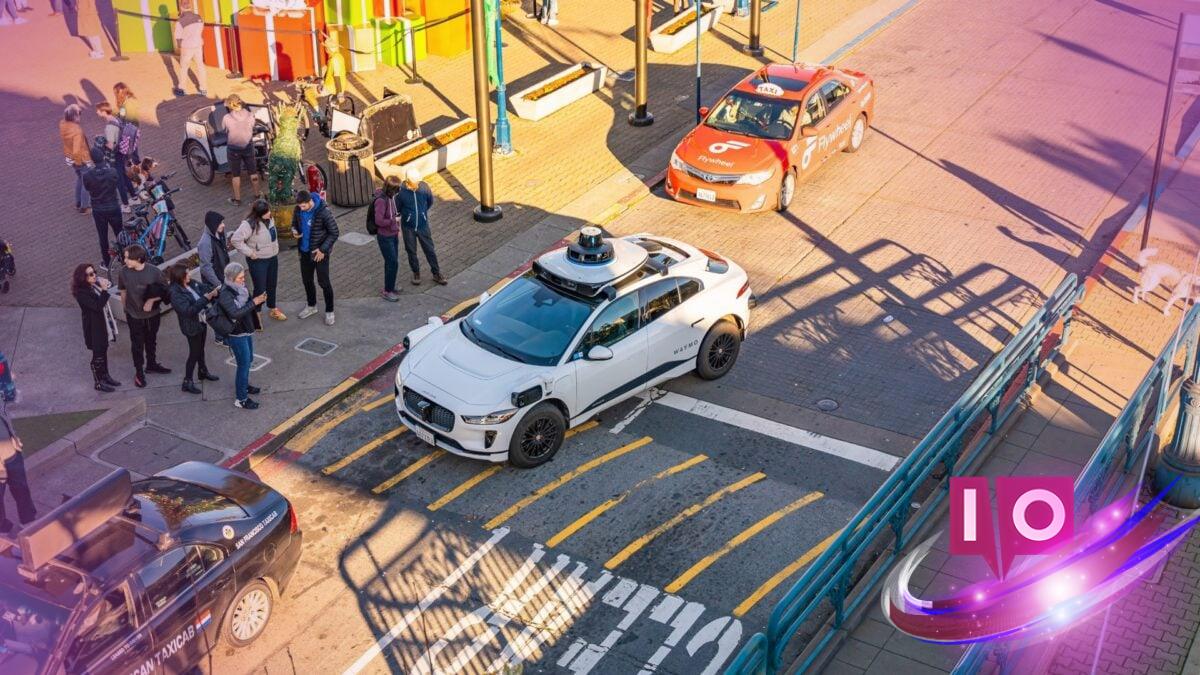
The recent tragic shooting in San Francisco highlights a growing intersection between technology and law enforcement. Over the weekend, a man was fatally shot in the Mission neighborhood, and it appears that a Waymo autonomous vehicle parked nearby may have captured the scene. This incident raises important questions about the potential role of self-driving cars in ongoing criminal investigations.
According to reports from the San Francisco Standard, 911 calls indicated the presence of a Waymo at the location of the shooting, which left one individual dead and another critically injured. While it remains unclear whether local authorities have requested data from Waymo, the implications of this situation are significant. Our inquiry to both Waymo and the San Francisco Police Department seeks further clarification on this matter.
The suspect has been identified as 23-year-old Larry Hudgson Jr., who was arrested without incident nearby and is now in custody. This swift action by the police showcases their efforts to keep the community safe.
How Autonomous Vehicles are Changing Law Enforcement
Waymo vehicles come equipped with numerous cameras—at least 29—capable of capturing detailed footage of their surroundings. While privacy advocates have expressed concerns about these automobiles acting like mobile surveillance tools, Waymo has stated it typically does not share data with law enforcement unless legally requested.
In an interview, Waymo co-CEO Tekedra Mawakana emphasized transparency regarding their privacy policies. Mawakana stated, “We follow the legal process to receive footage from our vehicles, and we narrow the scope of that as needed.” Further, a company representative affirmed they will contest requests deemed improperly broad or lacking legal merit. This commitment to data protection is crucial in maintaining public trust.
Are Smart Devices Part of a Growing Surveillance Economy?
Autonomous vehicles represent another facet of the increasing surveillance economy. Law enforcement frequently uses digital evidence to address crimes. For instance, in 2018, Amazon was compelled to hand over data from an Echo device connected to a murder investigation. Likewise, Tesla cameras have previously assisted police in solving hate crimes.
What Can We Expect in the Future?
As more cities adopt autonomous vehicles, it’s likely these cars will play a vital role in criminal investigations. The usage of data from these machines can be an invaluable asset for law enforcement efforts, further blurring the lines between technology and surveillance.
How does this incident affect public perception of autonomous vehicles? The recent shooting has reignited discussions about privacy and surveillance, making people more aware of the capabilities these vehicles possess.
How does Waymo ensure data privacy in law enforcement requests? Waymo follows strict legal procedures and challenges any requests that are not justified or overly expansive, focusing on safeguarding user privacy.
What implications does this incident have for future technology and crime-solving? As technology advances, the potential for digital evidence to assist in law enforcement grows, which could establish new norms around privacy and data usage in America.
The tragic events in San Francisco serve as a crucial reminder of the expanding intersection between technology, privacy rights, and public safety. As we look forward, staying informed and engaged with these developments can empower us as citizens.
For more insights on technology and its impact on society, feel free to explore related content on Moyens I/O.