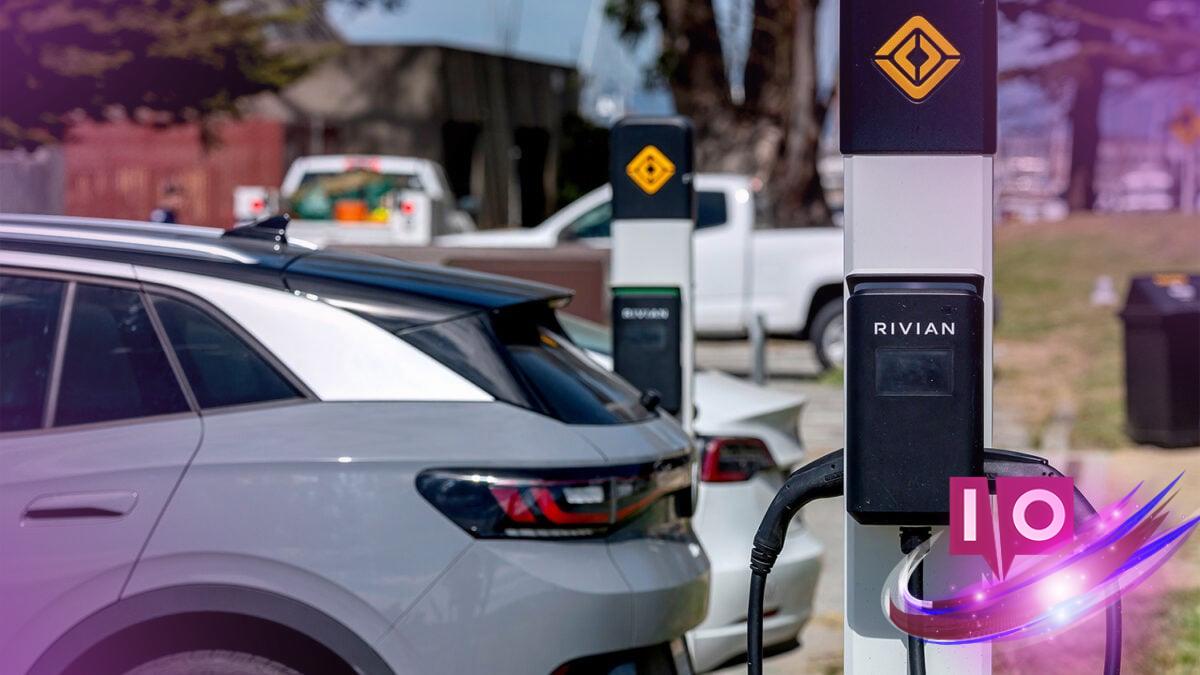
Are you curious about how emerging automotive technologies could reshape the electric vehicle (EV) landscape? The recent collaboration between automotive heavyweight Volkswagen and electric vehicle innovator Rivian raises intriguing possibilities for both companies and the industry as a whole.
This partnership officially kicked off on November 13, stemming from a monumental $5.8 billion joint venture that was first introduced as a software collaboration in June. Their ambition? To develop an advanced electrical architecture and software that will underpin the next generations of EVs from both brands. This collaboration not only aims to create more affordable Volkswagen models but also paves the way for Rivian’s budget-friendly offerings.
The deal connects Rivian to Volkswagen’s expansive supply network, an essential move for Rivian as it attempts to cut production costs for the R1S SUV and R1T pickup. Furthermore, Rivian is set to expand its operations with a new plant in Georgia to complement its current Illinois facility and plans to launch the midsize R2 SUV next year, targeting mainstream segments and potential European markets.
Oliver Blume, CEO of the VW Group, emphasized the speed and focus of this joint venture, stating, “We are swiftly developing the architecture for our future software-defined vehicles. We have created a technological foundation in just twelve months that will ensure a new digital driving experience for our customers at accessible prices.”
A remarkable aspect of this collaboration is that the technology being developed may also be licensed to other automakers. According to Rivian’s Chief Software Officer, Wassym Bensaid, the platform could have wider applications beyond Volkswagen and Rivian, presenting an opportunity for other companies in the automotive sector.
The architecture being designed not only supports next-generation EVs but is also adept at handling sophisticated driver assistance systems, enhancing safety and user experience. It could cater to various vehicles, extending to gas-electric hybrids and fast-charging electric vehicles that leverage advanced technologies like Lidar and cameras. This versatility opens additional revenue streams for both companies.
However, this venture arrives during a challenging financial backdrop for Rivian, as they recently announced layoffs and lowered their annual delivery expectations to approximately 41,000 vehicles. The federal EV tax credit cancellation has amplified urgency, making cost-effective strategies more critical.
Similarly, Volkswagen faces its own set of challenges, including struggling EV sales in key markets like China. As the company reevaluates investments, including plans for new factories, its financial landscape remains precarious. Operating profits already declined significantly in the first half of 2025, emphasizing the importance of this joint venture.
Does this collaboration signal a new era for electric vehicles? It could, particularly if they attract the attention of other automakers seeking to innovate.
What is the purpose of the Volkswagen and Rivian partnership? By combining their resources, the goal is to create advanced electrical architecture and software that will benefit future EV models, enabling reduced costs and greater affordability for consumers.
The partnership between Rivian and Volkswagen is significant for the EV market. What can we expect moving forward? As both companies advance in their technology, they aim to establish a foundation that other automakers can also utilize, potentially transforming how electric vehicles are designed and built.
Is the financial state of Rivian a concern for this venture? Yes, Rivian has faced financial challenges, highlighted by recent layoffs and lowered production forecasts. These issues underscore the urgency behind their partnership with Volkswagen.
How will the new technology benefit consumers? The advanced architecture is designed to support faster-charging, safer vehicles that integrate cutting-edge driver assistance features, ultimately enhancing the driving experience for consumers at more accessible price points.
In conclusion, the collaboration between Rivian and Volkswagen is poised to transform the electric vehicle landscape, offering promise for innovation and affordability in the years to come. For continued updates and insights on automotive advancements, feel free to explore more at Moyens I/O.