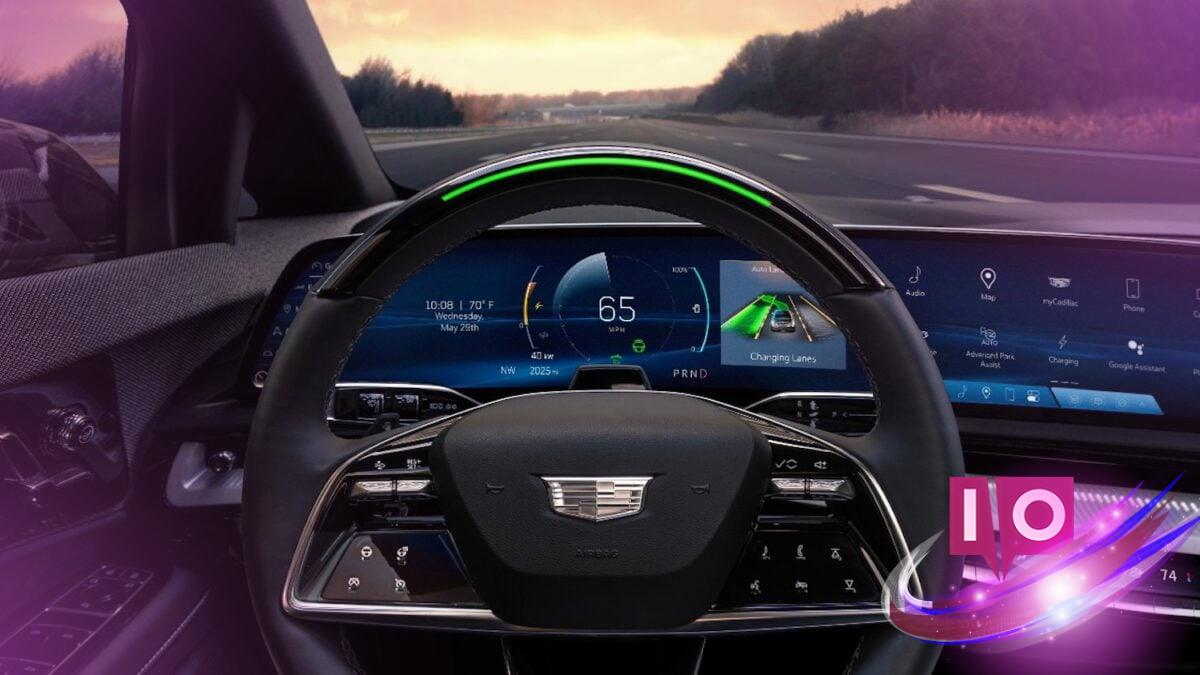
Artificial Intelligence is transforming the automotive industry, offering much-needed solutions to rising costs in developing electric vehicles while also streamlining the development process. Companies are leveraging AI not only to reduce the number of prototypes but also to accelerate system updates. Yet, many organizations struggle to incorporate AI and software-driven innovations within their existing corporate frameworks.
On November 21, Barak Turovsky, the former Chief AI Officer at General Motors, announced his resignation via a LinkedIn post, following just eight months in the role. GM confirmed this departure shortly afterward through CIO Dive, The Detroit News, and other outlets.
Turovsky, who previously held positions at Google and Cisco, expressed in his post that “Physical AI is just as exciting as LLMs,” also mentioning he’s taking a brief sabbatical to explore new ideas. His impressive background includes roles at IBM and PayPal, along with current advisory roles at VentureBeat and Bessemer Venture Partners.
The tech departure compounds the challenges GM faces as it shifts its focus back to internal combustion engines and hybrids while attempting to realign production after a turbulent year exacerbated by federal tariff actions and the September discontinuation of federal EV tax credits. Although GM aims to remain a leading EV seller in the U.S., dwindling sales in China and expectations of a significant decline in the U.S. market in Q4 2025 raise serious concerns for one of the industry’s giants.
Challenges are amplified by ongoing organizational restructuring at GM. In early November, Sterling Anderson, former co-founder of Aurora Innovation and ex-Tesla Autopilot executive, took over leadership of the Software and Services team, succeeding Dave Richardson, who left the position at the end of October, as noted by WardsAuto.
While GM prepares to introduce a new AI assistant and an upgraded version of its SuperCruise advanced driving assistance system, these projects were developed under prior leadership. The company braces for further challenges ahead, recently initiating layoffs that affected hundreds from both EV battery production and corporate roles.
As the automotive landscape evolves, the future of software-driven vehicles remains uncertain. With electric vehicle adoption lagging in several key markets and consumers increasingly cost-conscious amid economic turbulence, the commitment of companies like GM to AI and autonomous vehicle technology persists, albeit amidst rising cost-cutting initiatives.
What are the emerging trends in AI within the automotive sector? AI is increasingly integrated into vehicle design, manufacturing, and even driving assistance, enhancing functionality and efficiency across the board.
How does AI contribute to cost reduction in electric vehicle production? AI streamlines processes such as design iteration and testing, allowing manufacturers to create vehicles more efficiently and with fewer prototypes.
Is GM shifting back to traditional vehicles a sign of failure for EVs? Not necessarily; it’s a strategic pivot responding to market dynamics, signaling that manufacturers must adapt to evolving consumer preferences and regulatory pressures.
What impact do recent leadership changes have on GM’s technology initiatives? Leadership changes can disrupt continuity but may also bring fresh perspectives and innovations that could revitalize struggling departments.
So, what’s next for the automotive industry and AI? While challenges abound, the potential for innovation remains high. Stay engaged with industry trends through platforms like Moyens I/O, where you can discover more about the intersection of AI and automotive technology.