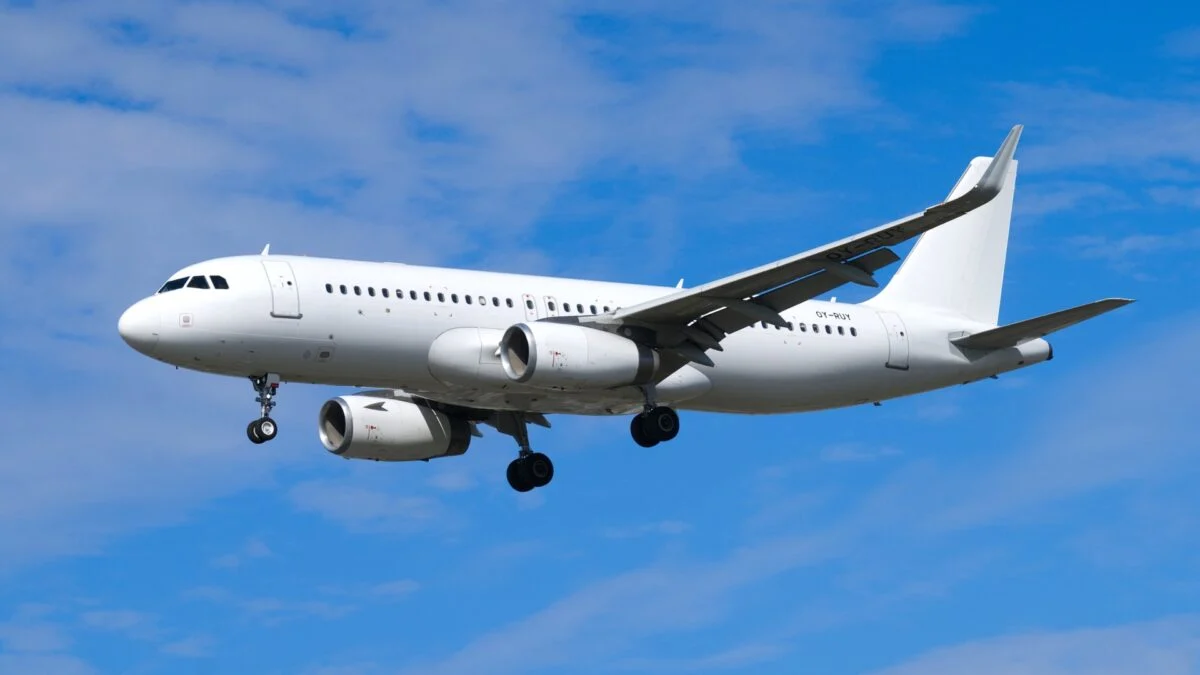
Aircraft manufacturer Airbus recently issued one of the largest recalls in its history, affecting thousands of A320 family aircraft. This significant action was prompted by software issues that posed safety risks, revealing an unexpected connection to solar radiation.
With the A320 now surpassing the Boeing 737 in deliveries, this recall disrupted operations for airlines globally, causing logistical nightmares. Airbus CEO Guillaume Faury acknowledged the difficulties, stating that it led to “significant logistical challenges and delays.” For Colombian airline Avianca, this meant halting ticket sales for over 70% of its fleet until December 8.
In the United States, the impact was more manageable. Delta and United Airlines noted minimal disruption, and American Airlines confirmed that all 209 affected aircraft had received the necessary software fixes. However, the concern was elevated after an alarming incident in October, where a JetBlue Airbus A320 en route from Cancun to Newark had to make an emergency landing due to a sudden drop in altitude.
Airbus stated that the recall was necessary as the company discovered that intense solar radiation could corrupt data essential for flight control systems in their A320 series. Specifically, a FAA directive revealed that the JetBlue flight’s elevator aileron computer (ELAC) malfunctioned due to this solar interference, resulting in the alarming descent.
The solution entails reverting to earlier software versions for most affected aircraft, although some may need complete hardware replacements. The challenges posed by solar radiation in aviation are increasingly significant, especially as researchers noted an uptick in solar activity, suggesting the sun is entering a more active phase.
In September, the NOAA’s Space Weather Prediction Center reported several substantial solar flares, with two capable of causing widespread radio issues. Space weather expert Tony Phillips has indicated that persistent sunspots have been creating solar flares for weeks, warning that future activity could result in geomagnetic disturbances affecting flight safety.
What does solar radiation mean for aviation safety? The interplay between solar events and aircraft functionality has become a pressing issue, compelling manufacturers like Airbus to take swift action. It serves as a reminder for airlines and passengers alike to be aware of how external factors can impact travel.
Wondering how this recall impacts flight schedules? While many airlines are working diligently to resolve the issues, travelers should stay updated on their airlines’ communications regarding flight operations.
Are there other aircraft not affected by this recall? Various aircraft models are operating safely, but it’s advisable to check with your airline if you’re concerned about your specific flight.
What should travelers do if their flight is impacted? If your flight has been affected, your airline will provide updates, and options may include rebooking or refunds depending on the circumstances.
How often do recalls happen in aviation? While recalls are not common, they can happen when safety concerns arise, necessitating immediate attention from manufacturers.
In conclusion, as the aviation industry adapts to such unexpected challenges, it’s essential to stay informed. Continue exploring related content to understand how these developments may affect your travel plans and keep updated with Moyens I/O for more insights.